Ensuring the safety of your home’s water supply is more crucial than ever. In fact, studies reveal that contamination from backflow can introduce harmful pathogens into residential water systems, potentially affecting millions of households annually. With many homeowners unaware of backflow risks, implementing strong backflow prevention measures is essential for safeguarding your family’s health. Discover how you can protect your water supply from invisible threats and ensure clean, safe water for your loved ones.
Understanding Backflow and Its Risks
Backflow, in simple terms, is the unwanted flow of contaminated water into the clean water supply. It can occur due to various factors such as sudden changes in pressure within the plumbing system. When this happens, harmful pathogens and chemicals can infiltrate your home’s drinking water.
There are two major types of backflow: backpressure and backsiphonage. Backpressure occurs when the pressure downstream exceeds the pressure from the water supply. In contrast, backsiphonage happens when a negative pressure in the plumbing system creates a vacuum, leading to contaminants being sucked into the clean water supply. Recognizing these scenarios is essential for homeowners, as they pave the way for preventive measures.
When backflow contaminates the drinkable water supply, it can introduce various pollutants, including bacteria, chemicals, and debris. Consuming or using such contaminated water can lead to serious health complications. In extreme cases, it could result in gastrointestinal issues, infections, or more severe diseases. Therefore, ensuring a barrier to backflow is not merely a precaution; it is a necessity for the health of every household.
Effective Methods to Prevent Backflow
Taking steps towards preventing backflow is essential for safeguarding your family’s health. Various devices and measures can be adopted to protect your domestic water supply effectively.
Types of Backflow Prevention Devices
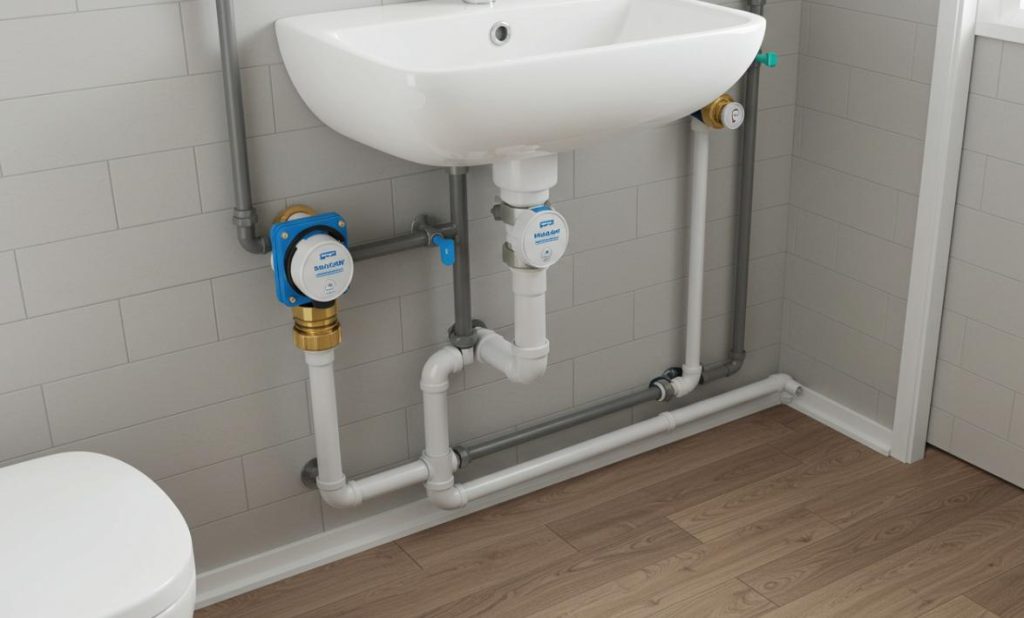
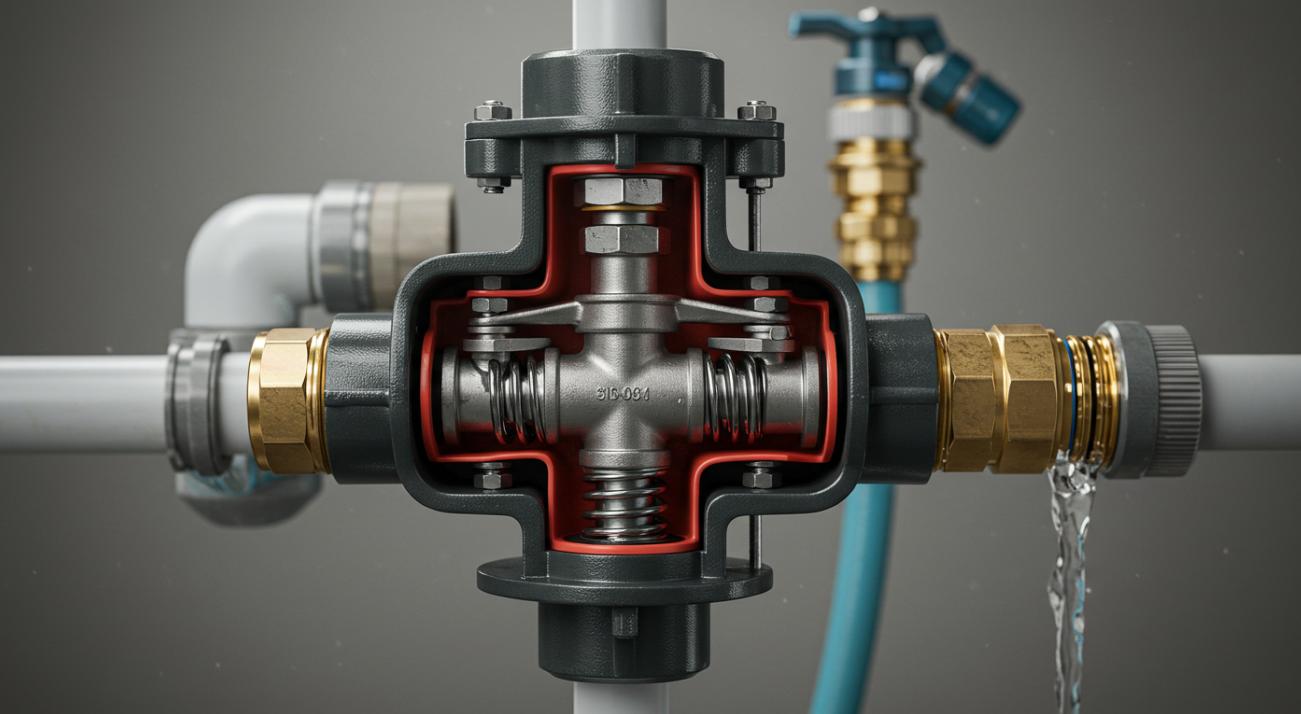
There are several devices designed specifically to prevent backflow. Air gaps create a physical separation between the water supply and potential sources of contamination. Check valves allow the water to flow in a single direction, effectively blocking any reverse flow. More advanced options include Reduced Pressure Zone (RPZ) assemblies which offer enhanced protection against backflow. Selecting the appropriate device largely depends on the specific needs of your household and external environmental factors.
Importance of Professional Installation
Proper installation of backflow prevention devices is paramount to ensuring they function efficiently. Hiring a certified plumber like A-Team Plumbing Services can make all the difference. A professional will assess your plumbing system, recommend the best devices, and ensure everything is installed according to local codes. Additionally, regular inspection is essential. This enables you to catch and rectify any potential issues early before they pose a real threat to your water supply.
The Legal Aspect of Backflow Prevention
Beyond the health implications, there are legal requirements that homeowners must consider. Many municipalities enforce regulations regarding the installation and maintenance of backflow prevention devices.
It’s vital to familiarize yourself with local regulations governing backflow prevention. Some areas might require permits for installation, along with periodic inspections to ensure compliance. Being aware of these regulations can not only safeguard your health but can also help you avoid penalties that might arise from non-compliance.
Specific situations can elevate the risk of backflow, making preventive measures even more critical. For instance, lawn irrigation systems are common culprits if not properly protected. Contaminated water can enter the main supply, especially if the pressure fluctuates. Similarly, swimming pools and hot tubs, filled with chemicals, can pose a risk if backflow devices aren’t in place. Your home’s plumbing integrity hinges not only on preventative measures but also on responsible maintenance.
The Benefits of Robust Backflow Prevention
Investing in backflow prevention not only significantly enhances the safety of your water supply but also fosters peace of mind. Knowing that your home is safeguarded from potential contaminants can lead to improved overall health and well-being for your entire family.
By employing the right backflow prevention strategies, you fortify your water safety. This proactive approach ensures your water remains clean and safe for drinking, cooking, and daily use, thereby preserving the quality of life in your home. In essence, securing your water supply reflects your commitment to your family’s health and safety.