In residential construction, few elements are as essential, and as often underestimated, as drywall. It serves as the canvas for a home’s interior, offering both structural support and aesthetic appeal. While drywall may seem simple, achieving a seamless, long-lasting finish requires more than just attaching panels to studs. It’s the craftsmanship and precision of professional drywall contractors that truly set a project apart.
The Basics of Drywall Installation
Also known as gypsum board, drywall consists of a compressed gypsum core encased in thick paper. It’s lightweight, cost-effective, and easy to customize, making it the ideal choice for most interior walls and ceilings.
The first step in getting drywall installation right is selecting the correct materials. Professionals know that not all drywall is created equal. Choosing the right type depends on the environment in which it will be used. For example, moisture-resistant drywall is essential in humid areas like bathrooms and kitchens. Fire-rated drywall adds safety in garages or utility rooms.
Contractors also assess whether specialty boards, such as soundproof or mold-resistant drywall, are necessary for the specific needs of the project. Using the right material from the beginning ensures better performance, fewer repairs, and increased home value.
The Installation Process: Precision and Professional Technique
While DIY enthusiasts might attempt drywall installation, the difference lies in the execution. Seasoned contractors bring accuracy, the right tools, and a deep understanding of how to avoid common pitfalls.
Framing and Measurements
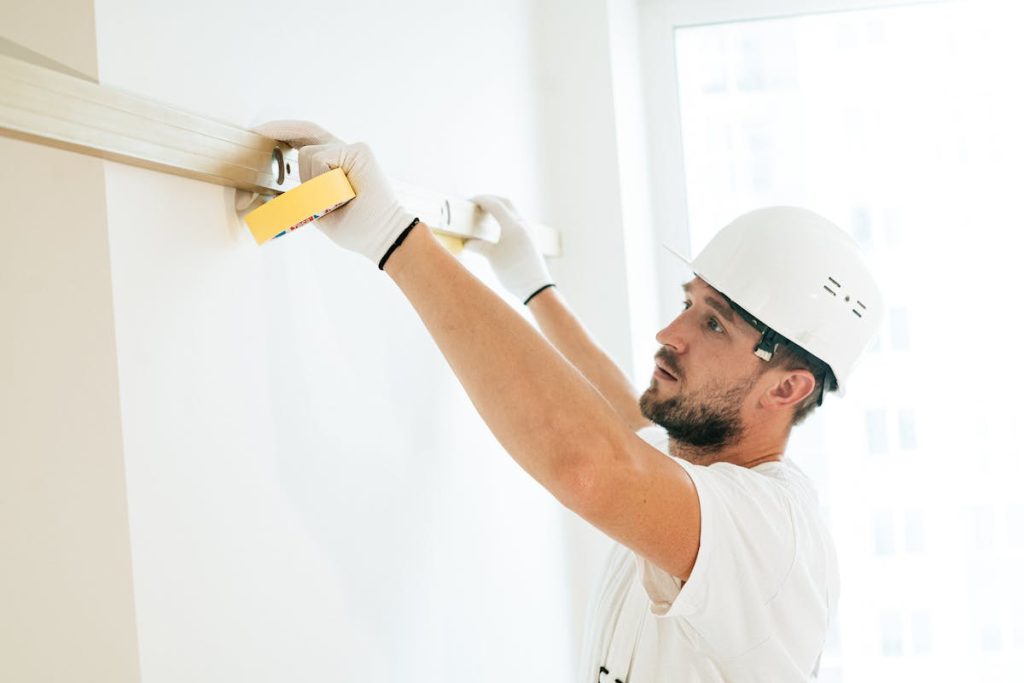
A stable and even framework is non-negotiable. Professionals inspect wall studs for alignment, replacing or adjusting them as needed. Laser levels and measuring tools ensure every panel fits snugly, eliminating gaps and minimizing waste.
Cutting and Fastening Panels
Cutting drywall may look simple, but doing it cleanly requires skill. Pros use utility knives and T-squares to avoid jagged edges that can cause problems during finishing. Once cut, each panel is secured with screws or nails in a pattern that maximizes grip without damaging the board.
Taping and Mudding: The Art of a Seamless Finish
This stage is where true craftsmanship becomes apparent. Joint taping and mudding smooth out the seams and prepare the surface for painting.
-
Taping: Experts typically use paper joint tape, which creates a flatter, more durable seam than mesh alternatives.
-
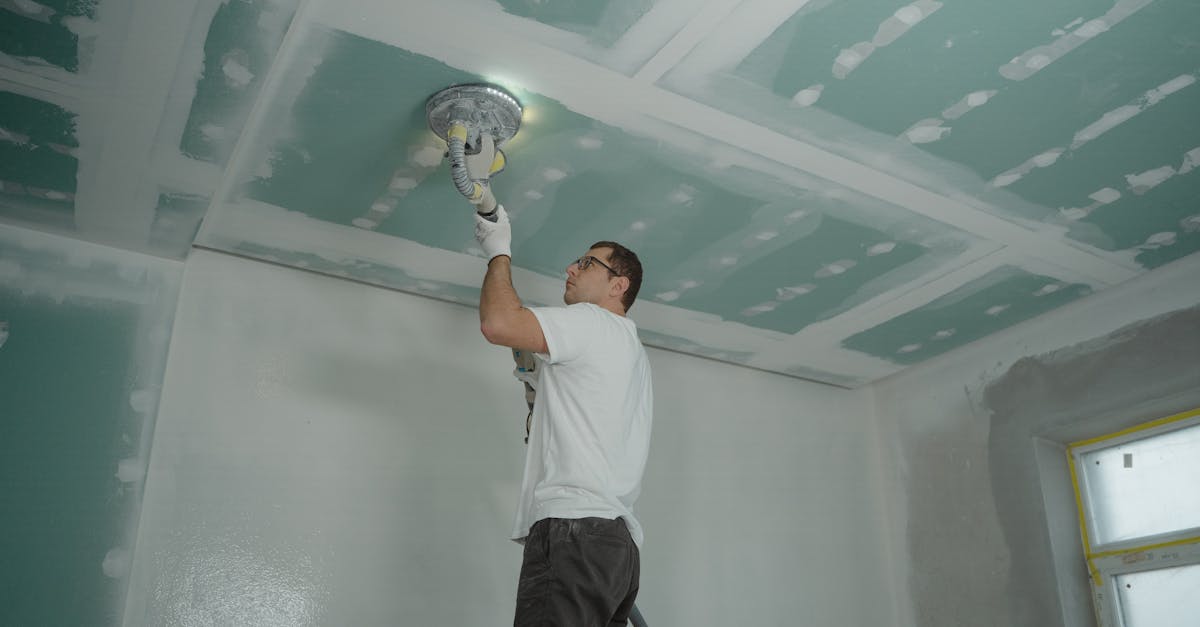
Applying joint compound (mud): Using wide drywall knives, contractors apply multiple layers of compound, sanding between coats to create a perfectly smooth finish.
Poorly done mudding can lead to visible seams, uneven paint, or long-term cracking, problems professionals are trained to avoid.
Quality Control: What Sets Professionals Apart
Every reputable drywall contractor prioritizes quality control throughout the project. Here’s a quick overview of what they focus on:
Before diving into painting, these quality factors make all the difference:
| Factor | Why It Matters |
|---|---|
| Seam Quality | Delivers a smooth, seamless appearance once painted |
| Surface Preparation | Prevents visible imperfections and ensures proper paint adhesion |
| Dust Control | Maintains a clean, safe job site and reduces health hazards |
| Moisture Management | Prevents mold growth, especially in bathrooms or basements |
| Time Management | Helps meet project deadlines without compromising on quality |
Common Mistakes Professionals Know to Avoid
Even small errors during drywall installation can lead to costly repairs later. That’s why seasoned professionals:
-
Allow sufficient drying time between compound coats to prevent bubbling or peeling paint.
-
Fully seal edges and joints, especially near moisture-prone areas.
-
Use proper ventilation and moisture barriers when needed to protect against hidden water damage.
By steering clear of these issues, pros extend the life and appearance of drywall surfaces.
Painting: The Final Step in a Professional Drywall Job
Once the surface is prepped and smooth, painting provides both protection and aesthetics. High-quality paint not only improves the look of your walls but also adds resistance to moisture, stains, and scuffs. Professionals often recommend primer-coated drywall paints for enhanced durability and color retention.
Before handing the project over, contractors conduct a final inspection—checking corners, seams, and surfaces for any flaws that could affect the finish. It’s this attention to detail that ensures the job is done right the first time.
In short, drywall installation is a skill that affects comfort and resale value of your home. With the right materials, tools, and techniques, a professional ensures a flawless finish that stands the test of time. Invest in professional drywall services that deliver quality, durability, and a polished appearance from start to finish. Reach out to KR Painting & Remodeling right now!