When it comes to finishing the walls and ceilings of your home, two primary materials frequently come to mind: traditional plaster and drywall. Each of these options brings unique benefits and challenges that can significantly affect the look, feel, and performance of your living spaces. In this article, we will explore the key differences, advantages, and ideal applications of plastering and drywall, helping you make an informed choice for your home renovation project.
The Basics of Plastering and Drywall
Before diving into the specifics, let’s clarify what plaster and drywall actually are. Plaster is a mixture of gypsum, lime, or cement with water that sets to create a solid, durable surface. Drywall, on the other hand, consists of a gypsum core sandwiched between layers of thick paper, designed for easy installation.
Material Composition
The composition of these materials plays a critical role in their usability. Plaster is known for its density and strength, providing a robust surface that can resist wear, dents, and cracks over time. This quality makes it especially valuable in high-traffic areas of the home. Conversely, drywall is lighter, more affordable, and easier to work with, making it the go-to choice for many modern builders.
Durability and Longevity
In terms of durability, plaster outperforms drywall significantly. Plaster walls can last for decades, sometimes requiring little to no maintenance. The dense structure helps to prevent everyday wear and tear, especially in busy corridors and high-usage spaces. While drywall is more susceptible to damage, such as dents and scratches, it can be easily repaired, though this may require frequent attention.
Soundproofing Qualities
Soundproofing is an important consideration for many homeowners, especially those living in multi-family dwellings or close quarters. Plaster’s density gives it an inherent advantage in absorbing sound, making it a superb choice for bedrooms, home theaters, and offices. In contrast, drywall offers less sound insulation. Homeowners looking to maintain a quiet atmosphere may want to lean towards plaster.
Thermal Insulation and Energy Efficiency
Another critical factor is the thermal efficiency of the materials. The thickness of plaster walls contributes to better thermal mass, helping regulate indoor temperatures and contributing to lower energy bills. Homes with plaster tend to stay cooler in the summer and warmer in the winter. On the other hand, while drywall installation can incorporate additional insulation, its thinner profile generally makes it less effective for energy conservation than plaster.
Installation Process: Plaster vs. Drywall
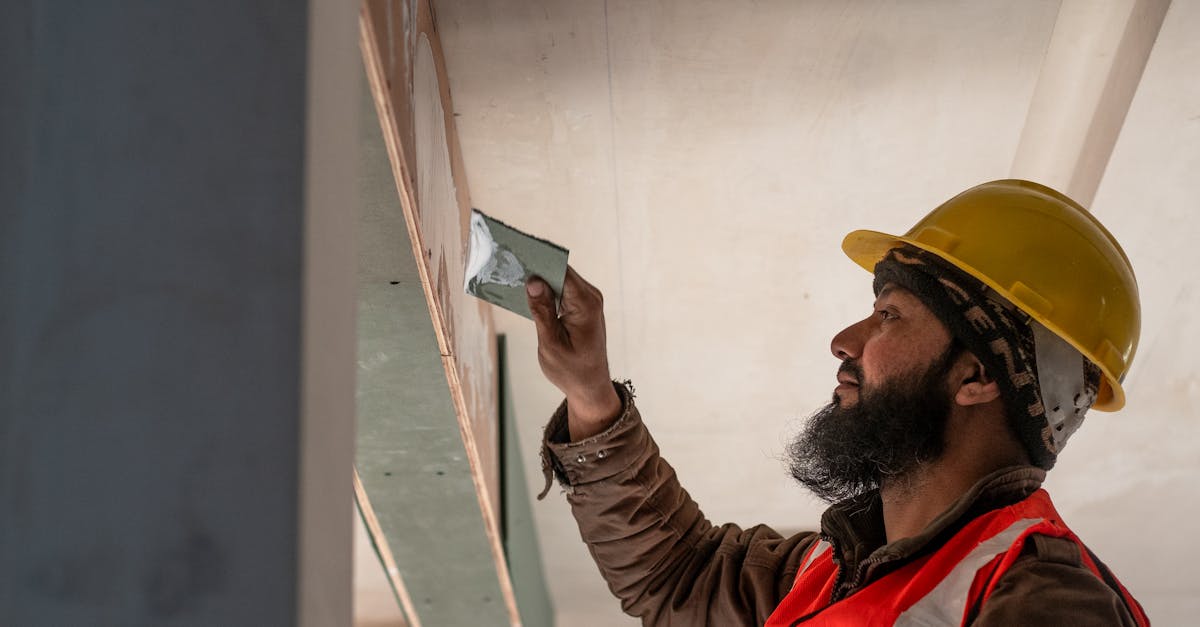
The installation of these two materials is where the differences become striking. Plastering is a more labor-intensive process, often requiring skilled artisans for proper application. The installation involves multiple layers that need adequate drying time between applications, usually extending over several days. In contrast, drywall installation is quicker and more straightforward, often allowing DIY enthusiasts to tackle the job with minimal effort.
Cost Considerations
Cost is a significant consideration for homeowners embarking on a renovation project. Typically, drywall is much more budget-friendly, with average costs ranging from $1 to $3 per square foot. In comparison, plaster installation can cost between $2 to $10 per square foot due to the need for skilled labor and more expensive materials. However, while plaster may require a larger initial investment, it provides long-term savings through its durability and low maintenance requirements.
Aesthetic Appeal
Lastly, let’s discuss the visual impact of both plaster and drywall. Plaster offers a smooth, high-end finish that allows for detailed molding and ornamental designs, adding a layer of sophistication to interiors. The versatility of plaster means it can be tailored to various aesthetics, from classic to modern. On the other hand, drywall generally provides a more utilitarian appearance, focusing on simple, flat surfaces that might not meet the design aspirations of discerning homeowners.
Personal Preference and Home Style
Ultimately, the decision between plaster and drywall boils down to personal preference and the specific style of your home. In historic renovations or bespoke projects, plaster often reigns supreme. For contemporary builds or where budget constraints are a top priority, drywall may serve as the more practical choice.
Making the Right Choice for Your Home
In summary, both plaster and drywall have distinct advantages and are well-suited for different scenarios. Plaster is unmatched in durability, soundproofing, and aesthetic appeal, making it a worthy investment for high-end applications. Drywall, while easier to install and less expensive, offers convenience and functionality but may not satisfy the desire for a refined look.
Before making your final decision, consider what aspects are most important for your home renovation. Analyze your budget, design intentions, and living environment to select the material that best aligns with your needs.
Ready to Get Started on Your Renovation?
If you’re ready to elevate your home with either traditional plastering or drywall, don’t hesitate to contact a professional for expert advice tailored specifically to your project. Whether you desire the timeless beauty of plaster or the practicality of drywall, expert guidance can make the process seamless and successful.