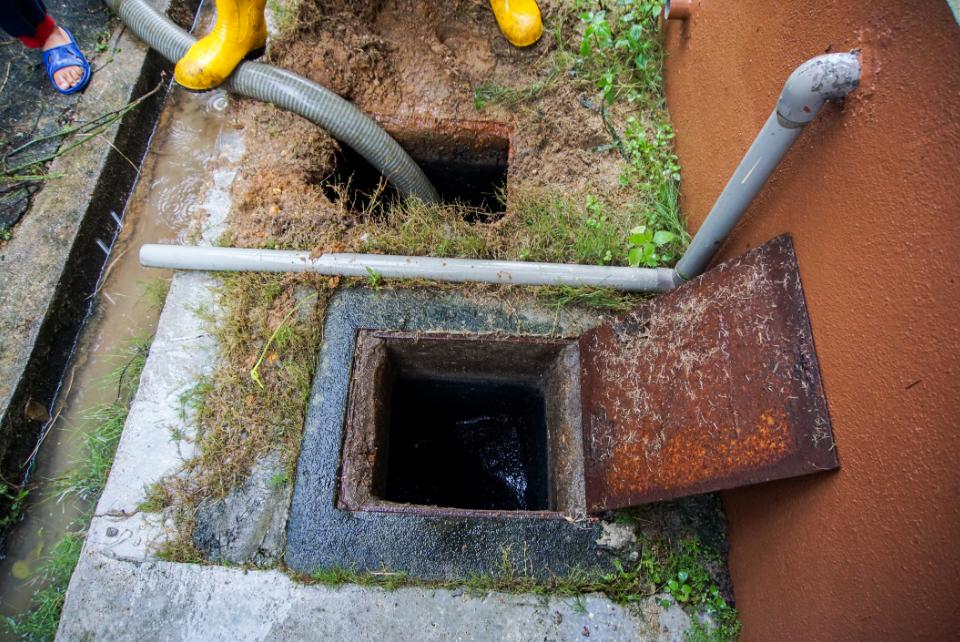
Maintaining your home’s sewer system is essential to prevent costly repairs and ensure smooth waste disposal. A well-kept sewer system protects your property from unpleasant odors, plumbing backups, and structural damage. By understanding your system and adopting a proactive maintenance approach, you can enjoy peace of mind and avoid emergencies that disrupt daily life.
Understand the Basics of Your Sewer System
Before diving into maintenance, it’s crucial to grasp the fundamentals of your sewer system. Your home’s plumbing might connect to municipal sewer lines or rely on a private septic setup. Knowing the type and material of your sewer pipes plays a significant role in tailoring care routines. Older properties often feature clay or cast iron pipes, which are prone to cracks and root intrusion, whereas newer homes typically use resilient PVC piping.
Identifying your system’s vulnerabilities lets you anticipate issues better and apply targeted prevention strategies. Plus, understanding your pipes helps professionals provide more accurate diagnostics when inspection time comes. For homeowners looking for expert advice, resources such as expert drain work guides offer detailed insights into maintaining drainage systems before problems escalate.
Schedule and Perform Regular Inspections
Routine inspections are the cornerstone of any successful sewer maintenance plan. Regularly checking your sewer lines, ideally every one to two years, allows you to spot potential blockages, cracks, or root damage early. Professional plumbers use specialized cameras to navigate pipes, providing a clear picture of the system’s condition without invasive digging.
These inspections are especially vital after severe weather or unexpected plumbing symptoms like slow drains or foul smells. Early detection significantly reduces the risk of expensive repairs. Homeowners who want to learn more about safeguarding their sewage and drainage systems can explore topics such as how backflow services protect plumbing systems.
Keep Sewer Lines Clear and Healthy
One of the most effective ways to maintain a healthy sewer system is to be mindful of what flows down your drains. Common culprits for clogs include grease, coffee grounds, hair, “flushable” wipes, and harsh chemicals. Avoid pouring cooking oils down the sink; instead, let them cool and dispose of them in the trash.
Installing drain screens can prevent hair and debris buildup, while educating household members about proper disposal habits promotes system longevity. Furthermore, spreading laundry loads and running dishwashers only when full helps prevent overloading your home’s wastewater capacity.
Protecting Against Root Intrusion
Tree roots are notorious for invading sewer pipes, especially those made from porous materials like clay. Roots penetrate small cracks, leading to severe blockages and pipe deterioration. Regular root treatment by professionals can mitigate this risk, and selecting less invasive tree species for landscaping reduces threats on the horizon.
For severe root problems, hydro-jetting, a process using high-pressure water to clear obstructions, provides an effective solution without damaging pipes. Learning how to balance landscaping with sewer system health is essential for every homeowner striving for long-term functionality.
Monitor and Respond to Warning Signs
Being alert to early signs of sewer system issues can save you considerable hassle and expense. Pay close attention to slow-draining fixtures, gurgling sounds in pipes, unexpected sewage odors, and patches of unusually lush greenery over your yard’s sewer line areas. These symptoms indicate possible blockages or leaks that require prompt action.
Addressing problems before they worsen minimizes the likelihood of full-scale pipe replacements or environmental contamination. When in doubt, consulting specialists ensures your sewer system remains in optimal condition. For businesses interested in broader plumbing reliability, exploring commercial plumbing insights can provide valuable knowledge.
Maintenance Timeline for Sewer Systems
| Maintenance Action | Recommended Frequency | Purpose |
|---|---|---|
| Professional Camera Inspection | Every 1-2 years | Detect blockages, cracks, root intrusion |
| Hydro-Jetting Cleaning | Every 3-5 years | Remove grease, deposits, roots |
| Routine Visual Check | Monthly | Identify slow drains, odors, wet spots |
| Root Treatment | Annually (if applicable) | Prevent root intrusion |
| Drain Screen Maintenance | Monthly | Keep debris out of pipes |
The timeline above offers a practical blueprint for managing your home’s sewer system health. Adhering to these intervals helps ensure longevity and functional efficiency.
By embracing these practices, you can avoid the headaches of blockages, leaks, and costly repairs. Managing root intrusion and careful drain usage further protect the longevity of your sewer system, ultimately preserving both your home’s sanitation and your peace of mind.
Contact a trusted professional today to schedule a thorough inspection and tailored maintenance. Investing in expert care now prevents disruptions and costly emergencies later.