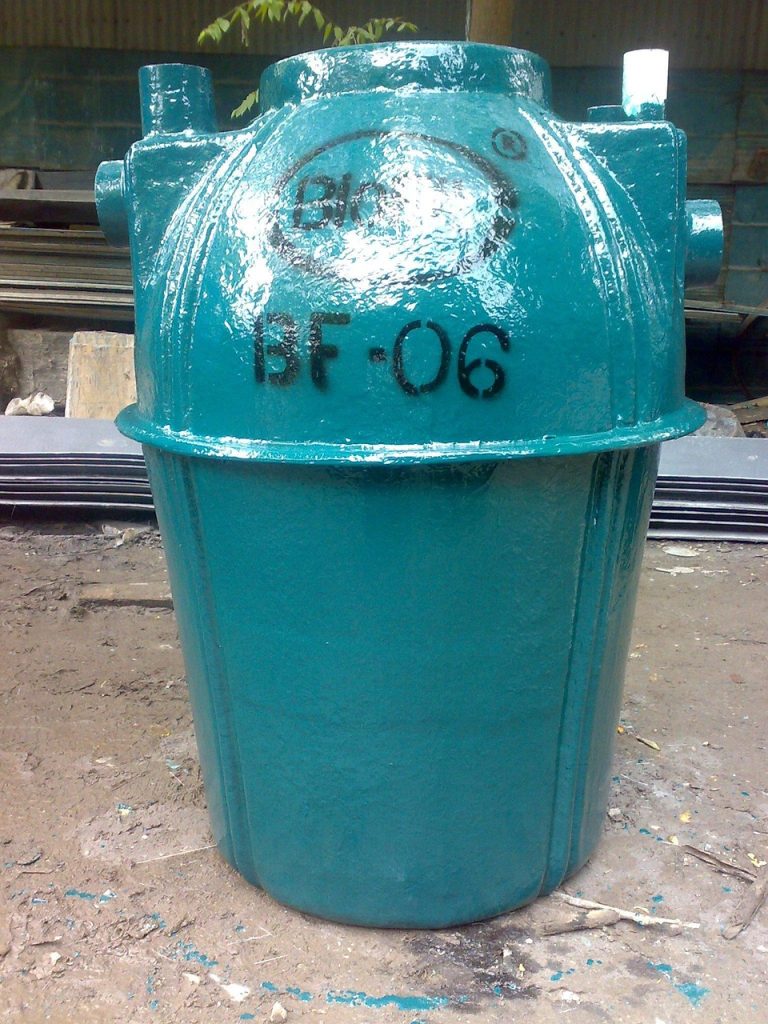
Understanding septic system design is crucial for homeowners planning to build in areas without municipal sewage services. This specialized planning process ensures an efficient and compliant system that effectively manages wastewater while safeguarding public health and the environment. Key factors, such as site evaluation, soil composition, and regulatory compliance, must be meticulously considered to create a robust waste management solution tailored to specific property needs. Getting it right from the outset can prevent costly repairs and environmental hazards down the line.
Understanding Septic Systems
A septic system is primarily designed for the treatment and disposal of wastewater from your home. Typically, it consists of a septic tank and a drain field. The tank separates solids from liquid waste, while the drain field allows treated effluent to be reabsorbed into the soil. However, the design varies based on several factors, including soil type, household size, and local regulations.
Key Components of Septic Systems
- Septic Tank: A watertight container where solids settle, and bacteria break down organic matter.
- Drain Field: A system of trenches or beds filled with gravel and perforated pipes that disperse effluent into the soil.
Factors Influencing Design
Careful consideration of various factors will ensure your septic system operates efficiently and complies with local codes.
Soil Analysis and Percolation Tests
The soil on your property significantly impacts how a septic system functions. Conduct a soil analysis to understand its characteristics. A percolation test will determine the soil’s absorption rate, which is vital for sizing both the tank and the drain field. The type of soil, whether sandy, loamy, or clay, plays a pivotal role in determining how well wastewater is treated.
Property Layout and Slope
The topography of your land can considerably affect the flow of waste. A property with a steep slope may necessitate a more complex system to manage gravity-fed drainage and avoid the risk of system failure. Additionally, consider setbacks from buildings, water bodies, and wells to minimize contamination risks and ensure compliance with regulations.
Daily Wastewater Flow Estimates
Estimating the wastewater volume generated by your household is crucial in designing an adequate septic system. Generally, the tank size must be sufficient to handle daily flow, which commonly corresponds to the number of bedrooms. Local codes often suggest a size of 1,000 gallons for a three-bedroom home.
Regular Maintenance and Inspections
Once the septic system is installed, the journey doesn’t end there. Regular maintenance is critical to enhance the longevity and efficiency of the system. Schedule inspections every one to three years to handle any potential issues before they escalate.
Legal Compliance and Obtaining Permits
Understanding local regulations is indispensable. Before installation, familiarize yourself with the specific codes governing septic systems in your area. These regulations dictate everything from the type and size of the system to installation procedures.
Permits and Inspection Stages
Obtaining the necessary permits is a multi-step process:
- Initial Permit Application: Includes site evaluation and design approval.
- Inspections: Conducted at various stages to ensure compliance and proper installation.
Engaging with a licensed installer familiar with local guidelines can simplify this process significantly.
Choosing the Right System for Your Needs
Not all septic systems are created equal. Depending on site-specific conditions, alternative systems may be warranted. Options such as aerobic treatment units or mound systems are designed for challenging soil or drainage conditions. Understanding your options will help you choose the best solution for your property.
Conclusion: Embrace Proactive Planning
Designing a septic system is not merely about installing pipes and tanks but requires a holistic understanding of many factors including soil type, slope, daily wastewater flow, and compliance with local regulations. Each step, from soil testing to regular maintenance, builds a solid foundation for a system that efficiently handles your household waste while safeguarding the environment.
To ensure your septic system is expertly planned and executed, consider consulting with a knowledgeable service provider like Excav8te, specialists in septic design and compliance.