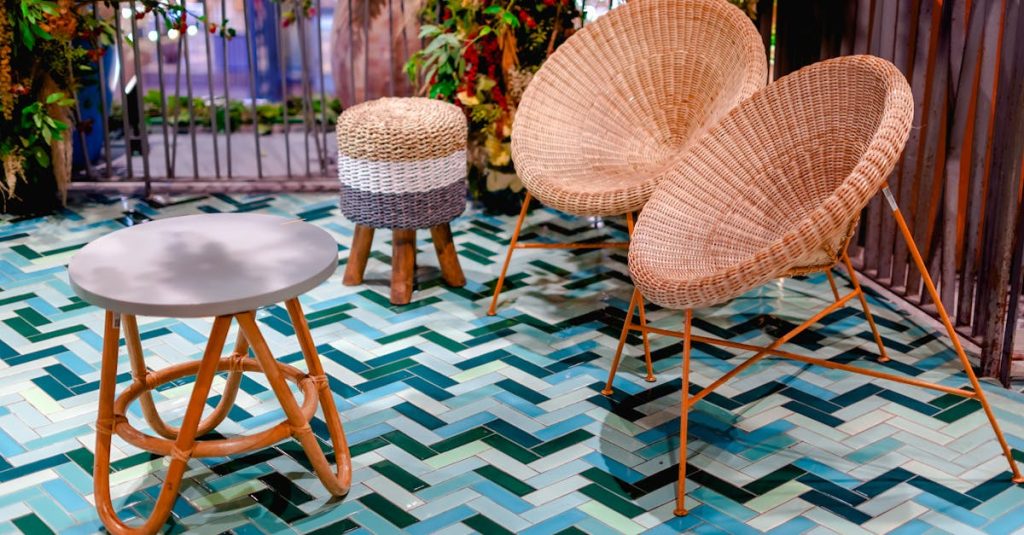
This year’s trends at the Milan Furniture Fair illustrate a deep connection to nature, a return to tactile and comforting textures, and modular designs that marry style with adaptability. Visitors experienced interiors crafted for relaxation and wellness, integrating cutting-edge furniture technology with timeless craftsmanship, offering fresh perspectives on how homes and commercial spaces can be shaped. This article explores these significant trends, their implications for future projects, and the evolving landscape of interior design as revealed at Milan.
Nature-Inspired Aesthetics and Sustainable Materials Driving Interior Design
With a growing awareness of environmental impact, the Milan Furniture Fair 2025 placed sustainability at the forefront of modern aesthetics. Designers drew inspiration from natural elements and sought to incorporate eco-friendly materials into their collections. Earth tones like ochre, terracotta, and soft cappuccino recalled Italy’s café culture and natural landscapes, setting a warm, inviting palette for both indoor and outdoor furniture.
The emphasis on sustainable materials was unmistakable in collections like the Mentha series, which used certified recycled plastics that blend functionality with eco-consciousness. Similarly, furniture upholstery increasingly featured natural fabrics such as bouclé, leather, and hand-woven materials that not only provide comfort but also improve indoor air quality, as exemplified by the Haori armchair with its removable cover made of Japanese tatami mat fabric.
Innovative Techniques in Craftsmanship and Material Use
Craftsmanship remains a cornerstone at Milan, yet it now merges with advanced techniques to create pieces that are both beautiful and sustainably produced. The use of industrial ceramics has transitioned into collectible art forms, with companies like Bosa exploring mythological themes through elegant vases and sculptures. Bitossi Ceramiche’s collaborations with high-profile designers have brought forward pieces crafted using traditional casting and hand-finishing methods that celebrate raw clay’s tactile richness.
The trend of reviving metal as a key design material fused functionality with sleek minimalism, while smaller accessories showcased the rising appreciation for architectural forms with totemic and geometric designs from brands such as Kartell and BD Barcelona 1972.
Comfort as the New Luxury in Contemporary Furniture
The quest for extreme comfort was evident in oversized sofas and armchairs that encourage leisure and relaxation, reflecting a shift toward wellness-focused interiors. Formally refined, these furnishings blend dense but soft padding with textural upholstery to create a sanctuary for the senses. Brands like Minotti and Edra presented collections that emphasize enveloping shapes and decorative, colorful patterns, softening the edges of traditional furniture to foster calmness.
This trend aligns with advances in furniture technology, with smart design elements that anticipate future integrations—imagine sofas that can sense tension and respond with warmth or gentle vibrations to boost well-being, an idea originally envisioned by MIT researchers over ten years ago.
Modularity and Adaptability for Evolving Spaces
Another important evolution in contemporary furniture is the rise of modular, reconfigurable designs catered to dynamic living and working environments. Companies presented versatile pieces such as Hem’s giant Great Sofa and Tacchini’s exaggeratedly plush sofas, which can be tailored to diverse spatial needs.
These modular systems are especially valuable in hospitality and office settings where flexibility is key. For example, the Ivy modular collection combines a sleek mid-century vibe with customizable elements like integrated tables and adjustable backrests, perfect for shared spaces and co-working environments.
| Feature | Modular Sofa | Oversized Sofa | Traditional Sofa |
|---|---|---|---|
| Flexibility | High – configurable sections for different layouts | Medium – large but fixed form | Low – fixed design and size |
| Comfort | Variable cushioning levels | Extra soft and deep padding | Standard cushioning |
| Use Case | Ideal for living, co-working, and hospitality | Best for residential relaxation | General usage |
| Material Options | Wide range including sustainable fabrics | Luxury upholstery like velvet and bouclé | Traditional fabrics |
Postmodern Totems and Sculptural Furniture in Design
Sculptural expression has taken a fascinating turn with the revival of totemic forms that blur the line between art and function. Companies like BD Barcelona 1972 and Gufram played with geometric and Memphis-style colors to create statement pieces that double as both furniture and cultural artifacts.
This intersection of innovative design and collectible craftsmanship is pushing furniture beyond its traditional roles, making it a centerpiece in both private homes and galleries. Accessories echo this style too, with carafes, lamps, and unique seating options inspired by organic and symbolic shapes.
- Warm, earthy color palettes inspired by natural landscapes and café culture.
- Textured upholstery like bouclé and velvet for tactile comfort.
- Modular sofas enabling versatile, reconfigurable living spaces.
- Sustainable and recycled materials integrated without sacrificing style.
- Postmodern totemic forms merging art and function in furniture design.
- Furniture embedded with smart technology foreshadowing interactive home environments.
For those interested in the detailed breakdown of these trends and their application in commercial and residential settings, further insights can be found in the comprehensive reports and analysis at sites like Houzz’s Milan Furniture Fair coverage and the detailed Milan Design Week 2025 overview.