How often have you stepped into a room and instantly felt a mood shift? The secret might lie not just in the decor or lighting, but in the subtle harmony of your furniture. Emerging from the field of environmental psychology, this insight reveals that the way our living spaces are arranged profoundly influences our mental health, comfort, and overall well-being. As we explore this concept in 2026, with ongoing advances in science and design, it’s clear that furniture plays a pivotal role in creating homes that foster both physical ease and emotional balance.
Unveiling the Psychological Impact of Furniture in Your Home
Furniture is more than functional pieces filling a room; it shapes the atmosphere and influences emotions in subtle yet powerful ways. A well-thought-out arrangement supports both physical comfort through ergonomics and emotional well-being by nurturing aesthetic balance.
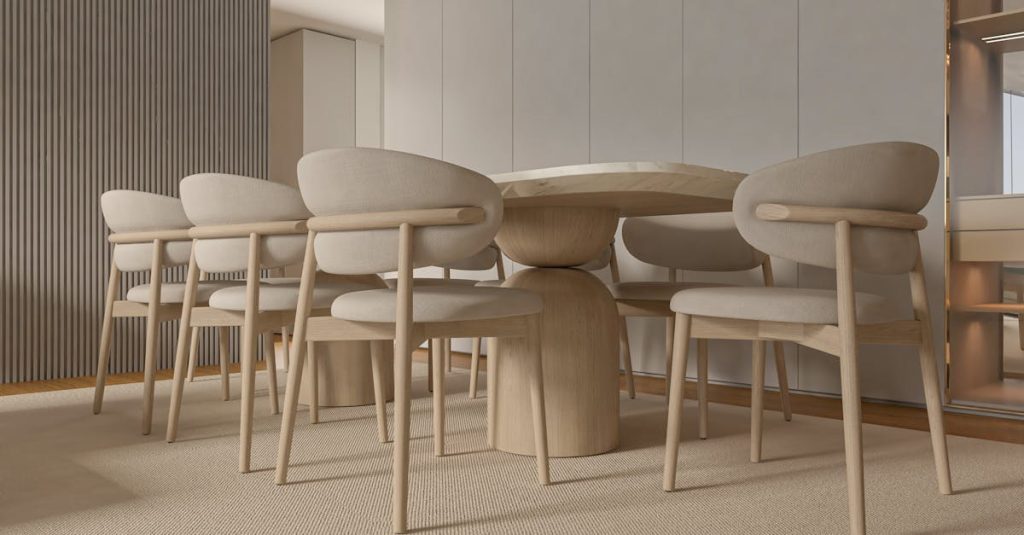
For example, ergonomic seating supports posture and reduces physical strain, while natural materials like wood bring warmth and grounding to a space, aiding in stress reduction. In contrast, cluttered or poorly arranged furniture can generate feelings of chaos and anxiety, impacting mental health negatively.
This connection between environment and psyche is the core focus of environmental psychology, which highlights that a carefully planned interior can strengthen the emotional balance of those who live there. Discover more about how thoughtful design enhances mental well-being in furniture design can enhance mental wellbeing at home.
How Furniture Arrangement Influences Mood and Mind
Changing furniture positioning can yield profound psychological benefits. The mere act of moving your sofa or desk can create a fresh perspective, igniting new neural pathways that invigorate creativity and focus. This simple intervention fosters a sense of control over your environment, which is critical in managing stress and anxiety.
Consider Sarah, a freelance writer who noticed a 30% increase in productivity after repositioning her desk near a window and introducing some greenery. Her experience exemplifies how harmonizing furniture with natural elements and light can enhance comfort and the flow of positive energy within a room.
Moreover, furniture placement impacts social dynamics: seating arranged in a circle encourages conversation and connection, while blocking pathways can unknowingly create tension. Incorporating these insights into your home design aligns with principles discussed in the psychology of space and furniture’s role in setting the mood.
Practical Tips to Foster Furniture Harmony for Well-being
Creating harmony in your home begins with intentional choices. Here are essential guidelines to consider:
- Create a clear focal point: Whether an artwork, fireplace, or a special piece of furniture, a focal point anchors the room and reduces mental clutter.
- Maximize natural light: Arrange desks and seating near windows to enhance mood and regulate circadian rhythms.
- Maintain clear walkways: Open pathways support flow and reduce physical and mental tension.
- Incorporate biophilic elements: Houseplants and natural materials promote relaxation and connect you with nature.
- Balance open spaces with cozy nooks: Allow for social interaction and private moments of rest.
Furniture Harmony vs. Common Design Pitfalls
While optimizing your furniture, avoid common setbacks that disrupt your mental balance:
- Overcrowding – Filling every corner increases anxiety; your space needs room to breathe.
- Poor traffic flow – Blocked pathways add stress; ensure smooth movement.
- Mismatched styles – Too much visual dissonance can overwhelm cognitive processing.
- Clutter and disorganization – A cluttered environment cluttered mind, detracting from well-being.
- Sensory overload – Overuse of bold colors or textures may cause agitation instead of calm.
Comparing Furniture Elements That Affect Well-being
| Characteristic | Ergonomic Furniture | Non-Ergonomic Furniture |
|---|---|---|
| Physical Comfort | Supports posture, reduces strain | May cause discomfort or pain over time |
| Mental Impact | Enhances focus and reduces stress | Increases distraction and fatigue |
| Design Harmony | Creates a cohesive, calming environment | Feels disjointed or chaotic |
| Functionality | Facilitates smooth daily routines with storage options | Lacks practical features, leading to clutter |
Integrating harmony and ergonomics into your home environment cultivates a setting conducive to health and emotional balance. For a broader understanding, explore how furniture impacts mental and physical well-being at home.
Enhancing Your Home Environment: The Role of Aesthetics and Functionality
Aesthetic choices in furniture influence not just appearance but also mood. Natural timber, soft textiles, and balanced color schemes provide a tranquil backdrop that eases the mind and body. Functionality fused with style ensures every piece contributes meaningfully to your daily life.
For example, smart storage furniture such as ottomans with compartments or tall shelving units maximizes space while reducing visual clutter. This dual approach supports both organization and the soothing atmosphere needed for emotional balance.
The trend toward minimalism in interior design, with an emphasis on fewer but better-quality pieces, helps sustain well-being by avoiding sensory overload and encouraging focus on what truly matters.