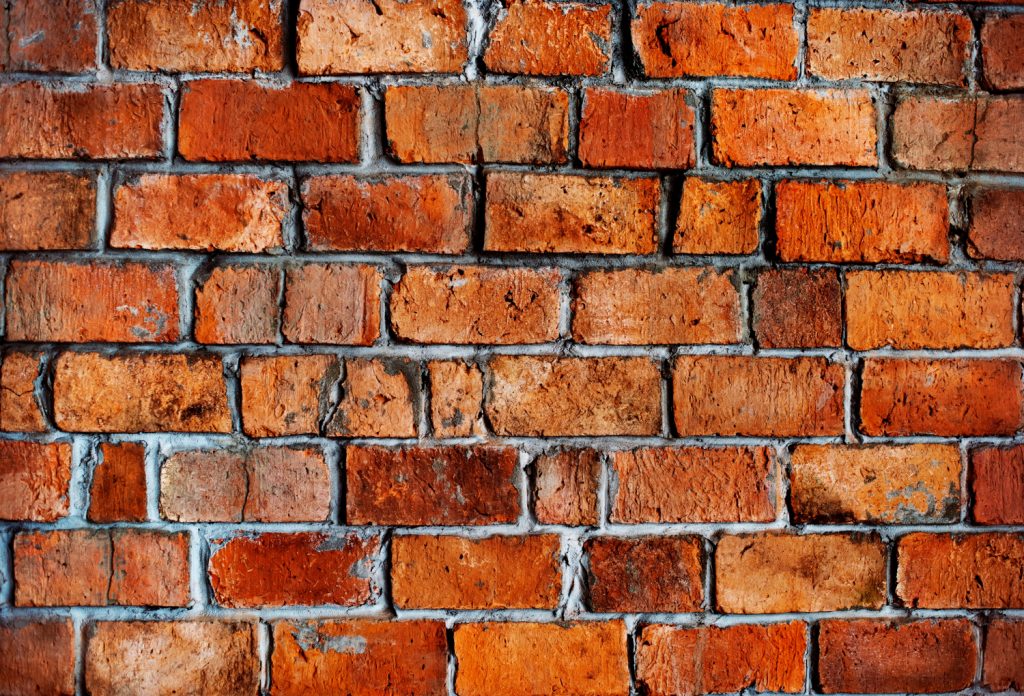
In an age where sustainability is prioritized more than ever, the resurgence of earthen bricks stands out as a beacon of hope for construction professionals and eco-conscious homeowners alike. This material, steeped in history, not only embodies the essence of natural construction but also offers a path toward green building practices that celebrate the environment rather than deplete it. Earthen bricks, also known as mud bricks, are a renewable resource that harkens back to our ancestors, who recognized their durability and ecological advantages long before modern technology caught up. Today, we find ourselves at a crossroads where the innovative applications of these ancient techniques can help modernize our architectural approaches.
The Historical Significance of Earthen Bricks
Throughout history, earthen bricks have been a cornerstone of construction in many cultures, particularly in regions that are prone to earthquakes or are experiencing high levels of temperature fluctuation. This ancient material has been utilized for thousands of years, with evidence of its use in Mesopotamia, Egypt, and the Americas. The ability of mud bricks to withstand significant force makes them an ideal choice in various regions worldwide.
In the context of historical construction, the use of earthen bricks can be observed in iconic structures such as the Great Wall of China and the mud-brick buildings of the Sahara. Not only did these civilizations rely on earthen bricks for their resilience, but they also embedded deeper values into their architectural forms, such as harmony with nature and societal sustainability.
Modern Revival and Architectural Adaptations
In recent years, architects and builders have begun to explore the unique qualities of earthen bricks through a modern lens. By integrating contemporary design principles with traditional building methods, striking structures are emerging that appeal to both functionality and aesthetic beauty. The use of earthen bricks in modern architecture invites creativity while remaining grounded in sustainability.
For example, in urban environments facing housing shortages, the adaptability of earthen bricks has led to innovative housing solutions. Their thermal mass properties offer natural climate control, reducing dependence on mechanical heating and cooling systems. One successful project is the “Earthship” movement, which emphasizes the use of natural materials, including earthen bricks, to create self-sufficient homes.
Advantages of Using Earthen Bricks in Sustainable Building
There are numerous advantages to utilizing eco-friendly bricks like earthen bricks in sustainable construction. Understanding these benefits can aid both builders and homeowners in making informed choices that favor environmental stewardship.
- Eco-Friendly Material: Earthen bricks are made from natural soil, clay, and water, which makes them a minimal-impact building material compared to conventional options.
- Thermal Efficiency: Known for their ability to regulate temperature, earthen bricks can keep homes cool in summer and warm in winter.
- Low Carbon Footprint: The production process for earthen bricks generally requires less energy than fired bricks, significantly reducing the carbon footprint associated with construction.
- Affordability: The raw materials for earthen bricks are often readily available, leading to cost-effective building solutions.
- Healthier Indoor Environment: Being breathable, earthen bricks help in maintaining indoor air quality, reducing the likelihood of moisture-related problems.
Comparison of Construction Materials
| Characteristic | Earthen Bricks | Fired Bricks | Concrete Blocks |
|---|---|---|---|
| Energy Consumption | Low | High | Medium |
| Temperature Regulation | Excellent | Poor | Fair |
| Cost | Economical | Costly | Moderate |
| Longevity | High | Very high | Moderate |
Challenges Facing Earthen Brick Construction
Despite the inherent advantages of earthen bricks, several challenges must be addressed for their widespread adoption in contemporary building practices. One significant factor is the perception of earthen bricks as a less reliable or durable material compared to modern alternatives like concrete. This perception can be overcome through proper education and demonstration of their advantages in real-world applications.
Additionally, building regulations often favor conventional materials, making it more difficult for builders to use earthen bricks in new projects. Engaging with local governments and regulatory bodies to advocate for changes in building codes can create pathways for integrating this ancient material into modern architecture.
Advocating for Change
Community engagement plays a crucial role in challenging these perceptions. By hosting workshops, seminars, and building demonstrations, stakeholders can effectively present information on the benefits and viability of earthen constructions. Furthermore, collaborations with architects specializing in traditional architecture can enhance the visibility and acceptance of earthen bricks in contemporary designs.
The Future of Earthen Bricks in Sustainable Architecture
The future potential for earthen bricks in sustainable building practices is promising. As the world grapples with pressing issues related to climate change and resource depletion, the architectural community is increasingly turning to renewable materials. The integration of earthen bricks can not only reduce environmental impact but also nurture a connection to cultural heritage through architectural storytelling.
Innovative companies are now exploring ways to develop earthen bricks that incorporate modern solutions, such as insulation properties or variations in color and texture. This evolution can open doors to new markets and further popularize their use among consumers who may prioritize aesthetic appeal alongside sustainability.
Global Trends and Local Solutions
As markets evolve, awareness of sustainable building practices rises globally, leading to a surge in projects that incorporate earthen bricks. Countries rich in history, like India, continue to champion mud brick construction, not as a relic of the past but as a viable solution for the future. In regions where climate resilience is paramount, earthen bricks present unique advantages; developers are increasingly deploying them in eco-villages and affordable housing projects.