- Site assessments to identify recyclable materials.
- Drafting a comprehensive waste management strategy that outlines specific procedures for sorting, reusing, and recycling.
- Educating construction crews on sustainable practices and the importance of waste reduction.
The construction industry is at a pivotal moment, facing mounting pressure to adopt environmentally friendly practices. As global awareness of climate change rises, sustainable construction is emerging as a viable solution to mitigate the ecological impact of building activities. In 2026, the construction sector is not only the largest consumer of natural resources but also responsible for approximately 39% of worldwide carbon emissions, according to the World Green Building Council. This brings to light the necessity of integrating sustainability into construction processes. By understanding the principles of sustainable construction, also known as green building, both professionals and homeowners can make informed decisions that benefit the planet while enhancing living environments.
Understanding Sustainable Construction
Sustainable construction involves designing and building structures with minimal negative impacts on the environment, society, and economy. The objective is to promote a more balanced relationship between the built environment and natural resources. Various frameworks and principles guide this practice, emphasizing the need for an eco-friendly design that considers the entire life cycle of a building. From design to demolition, every stage must prioritize sustainability to reduce the overall carbon footprint.
The concept of sustainable construction extends beyond just using renewable materials; it also encompasses energy efficiency, waste reduction, and water conservation. These elements are crucial in developing a comprehensive strategy for reducing environmental impacts associated with construction. By adopting these practices, stakeholders can contribute to building resilience while fostering a greener future.
Key Principles of Sustainable Construction
Several foundational principles guide sustainable construction, designed to transform how buildings are designed, constructed, and utilized. Understanding these can help in fostering a more enduring relationship between humanity and the environment.
- 1. Sustainable Design: This principle emphasizes creating environments that minimize negative impacts on nature. Incorporating eco-friendly materials and considering orientation for natural lighting and ventilation are crucial.
- 2. Durability: Building for longevity ensures that structures will last without frequent repairs, which reduces waste and conserves materials over time.
- 3. Energy Efficiency: Utilizing techniques to reduce energy consumption during a building’s life cycle, from construction to occupancy, plays a vital role in sustainability.
- 4. Waste Reduction: Sustainable construction advocates for minimizing waste production. Encouraging recycling and reusing existing structures when possible is a key strategy.
- 5. Indoor Air Quality: Ensuring good air quality contributes to healthy living spaces and involves selecting non-toxic materials and promoting natural ventilation systems.
- 6. Water Conservation: Techniques like rainwater harvesting and low-flow fixtures aim to minimize water usage throughout the construction process and in finished buildings.
- 7. Sustainable Materials: Choosing materials that are renewable, recycled, or locally sourced is essential for reducing environmental strain.
The Significance of Energy Efficiency
One of the cornerstones of sustainable construction is energy efficiency. Effective energy management not only lowers operating costs but also diminishes the overall ecological footprint of buildings. By incorporating innovative technologies such as solar panels, thermal insulation, and energy-efficient appliances, builders can significantly cut down on energy consumption.
Further, a life cycle assessment provides insights into how much energy will be saved throughout a building’s lifespan, from its construction to its eventual demolition. The Global Alliance for Buildings and Construction reports that energy-efficient buildings will become increasingly vital for meeting global energy demands, particularly in urban areas.
Innovative Strategies for Energy Efficiency
To achieve energy efficiency, multiple strategies can be employed, such as:
- Passive Design: Utilizing the building’s site, orientation, and materials to control heat gain and loss naturally.
- Smart Technology: Implementing smart heating and cooling systems that optimize energy use.
- Energy Audits: Regular assessments to identify areas for energy savings can lead to continuous improvement.
Waste Reduction Techniques in Construction
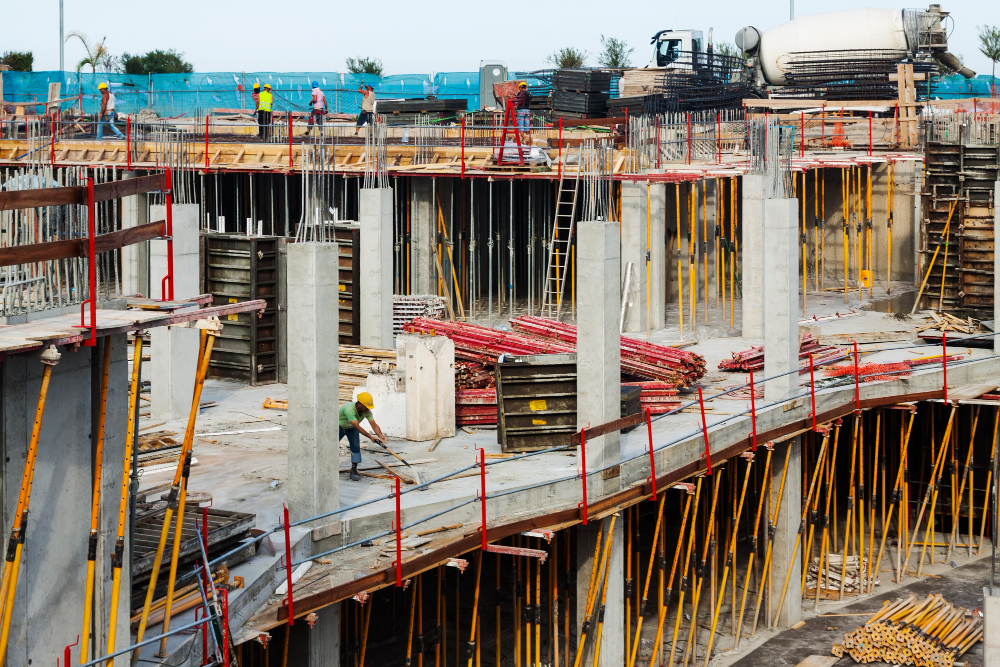
Waste reduction is another vital component of sustainable construction practices. The construction sector generates roughly 1.3 billion tons of waste annually, making it imperative to adopt technologies that minimize waste production. The traditional approach often favors demolition and rebuilding, which neglects the potential for reusing materials.
Strategies like recycling construction debris and utilizing prefabricated components are crucial for limiting waste. The idea of a circular economy comes into play, where materials are reused and repurposed instead of being discarded. Many architects and engineers advocate for a paradigm shift towards retrofitting existing structures as an alternative to new builds, minimizing resource consumption.
Implementing Waste Management Plans
Effective waste management plans can include:
- Site assessments to identify recyclable materials.
- Drafting a comprehensive waste management strategy that outlines specific procedures for sorting, reusing, and recycling.
- Educating construction crews on sustainable practices and the importance of waste reduction.