As we navigate the growing concerns surrounding climate change and environmental degradation, the construction industry finds itself at a pivotal intersection. With buildings responsible for almost 40% of global carbon emissions, embracing eco-construction practices isn’t merely a trend—it’s essential for a sustainable future. Today, the demand for greener building solutions is reshaping how we think about architecture, materials, and efficiency. This article delves into the fundamentals of eco-construction, exploring its importance, innovative trends, strategies for implementation, and a broader look at its global impact.
The Significance of Eco-Friendly Construction in Today’s World
The call for sustainability in construction has never been more pronounced. Traditional building techniques often lead to significant wastage of resources and cultivate adverse environmental impacts. From deforestation to greenhouse gas emissions, the construction industry has a substantial footprint. Eco-friendly construction addresses these issues head-on, focusing on renewable materials, energy efficiency, and responsible land use. With new technologies and innovation, buildings today can be designed to minimize both their carbon footprint and harmful waste.
Essentially, the primary goal of eco-construction is to create structures that not only meet the needs of their occupants but also safeguard the health of our planet. Sustainable building practices include using non-toxic materials, optimizing energy efficiency, and implementing waste management strategies that divert materials from landfills. As we face increasingly severe climate impacts, such as extreme weather events and rising sea levels, adopting sustainable construction methods becomes crucial for climate change mitigation.
Moreover, eco-friendly construction can lead to significant long-term economic benefits, including lower utility bills and enhanced property values. According to recent studies, buildings designed with sustainability in mind can reduce energy consumption by 30-50%. This not only contributes positively to the environment but also enhances the quality of life for inhabitants.
Emerging Trends in Sustainable Building
A growing trend in eco-construction is the use of recycled materials. Instead of relying on virgin resources that require intensive extraction and processing, builders are increasingly opting for salvaged wood, repurposed steel, and even reclaimed bricks. This approach significantly reduces the environmental toll of new constructions and often results in unique aesthetic characteristics.
Another exciting avenue is the integration of smart technologies. From energy management systems that monitor real-time energy use to IoT sensors that optimize heating and cooling systems, smart buildings are becoming a hallmark of green building. These innovations not only bolster energy efficiency but also enhance the comfort and convenience for occupants.
Tiny homes exemplify this trend towards compact and sustainable living. With their minimalistic designs, tiny homes require fewer materials and reduce the living space’s overall energy needs. Not only do they save money on construction and maintenance, but they also foster a lifestyle that emphasizes environmental responsibility.
[PHOTO: A beautiful tiny home built with eco-friendly materials and designs]
Implementing Eco-Conscious Practices
Transitioning to eco-friendly construction requires a clear strategy. Builders must prioritize energy-efficient designs from the start. This includes optimizing site selection to maximize sunlight for natural heating and cooling while considering the site’s ecological balance. Additionally, ensuring proper insulation is crucial. Materials such as recycled denim and plant-based foams are gaining traction as effective insulation alternatives.
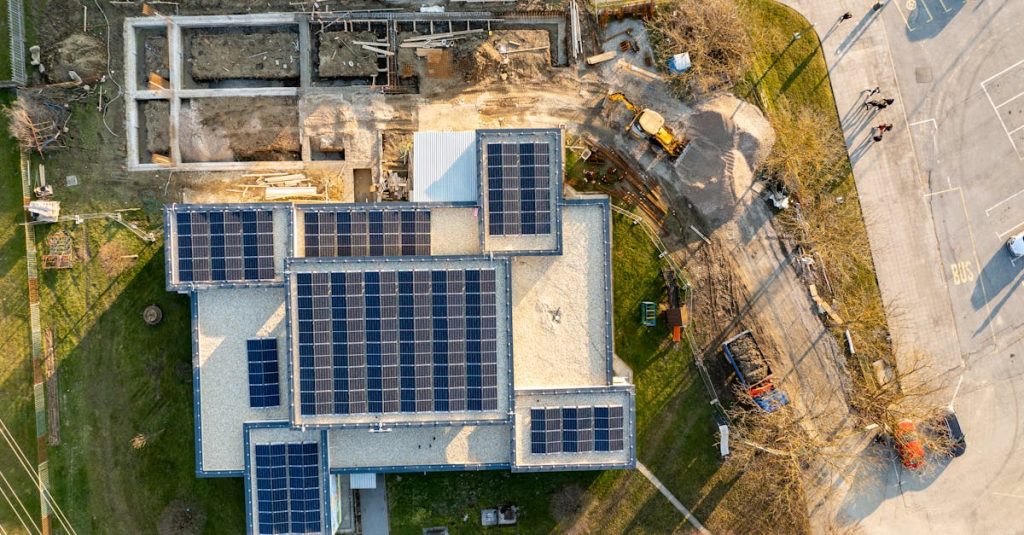
Another practical step towards sustainability is the installation of renewable energy systems. Incorporating solar panels and wind turbines can drastically reduce a building’s reliance on fossil fuels. Not only does this lower utility costs, but it also helps in reducing greenhouse gas emissions.
Rainwater harvesting systems for irrigation and low-flow plumbing fixtures contribute significantly to water efficiency. These practices ensure that resources are utilized judiciously while supporting overall sustainability goals.
Ultimately, having a clear rating system can guide builders in these efforts. Many regions have adopted standards such as the Leadership in Energy and Environmental Design (LEED) certification, which provides a structured pathway toward achieving sustainable building outcomes.
Global Initiatives and Their Impact
Countries around the world are recognizing the importance of sustainable construction and are taking strategic steps to promote it. In Europe, initiatives like the Renovate Europe campaign aim to significantly reduce energy demand from buildings. With buildings consuming nearly 40% of the EU’s energy, retrofitting existing structures is a cornerstone in achieving sustainability targets.
Notably, nations such as Germany, Sweden, and France are pioneers in eco-friendly urban planning, integrating green technologies and renewable energy directly into their architectural frameworks. They have set ambitious goals for carbon neutrality, showcasing that such transformations are not only feasible but highly beneficial.
The UK has introduced significant policies supporting energy-efficient renovations, demonstrating a commitment to upgrading building standards across the board. Such combined efforts highlight a transformative shift towards communities being built around sustainability.
Challenges and Opportunities for Emotionally Engaging Construction
Challenges remain as the construction industry navigates towards a greener future. One of the hurdles is the perception surrounding costs. Many view sustainable materials and designs as expensive. However, the long-term savings and benefits often outweigh initial investments. Education and outreach are essential in changing this narrative.
- Awareness and education: Increasing understanding of sustainable construction can drive demand.
- Policy support: Government incentives can encourage businesses to adopt eco-friendly practices.
- Collaboration: Building partnerships among stakeholders can address challenges collectively.
Innovation is key in overcoming obstacles. With advances in technology, the cost of renewable materials is continuing to decline, making it easier for builders to implement sustainable methods without compromising quality. Research and development are vital in creating new eco-friendly alternatives that can seamlessly blend with traditional construction practices.