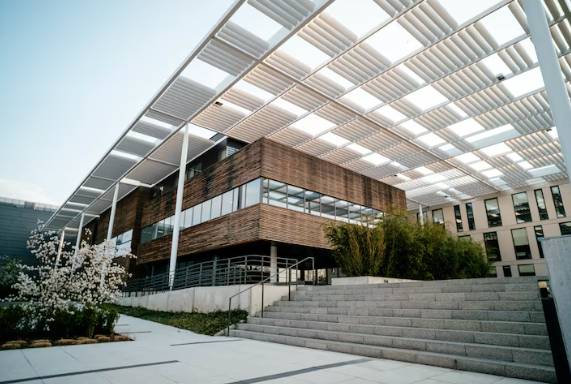
In the ever-evolving landscape of business, commercial architecture plays a pivotal role in shaping how customers interact with brands. The design and layout of spaces can evoke emotions and foster connections that linger long after the visit. Discover how innovative design principles can enrich the customer experience and leave a lasting impression.
Understand the Customer
The foundation of enhancing customer experiences through commercial architecture lies in a deep understanding of the target audience. By collaborating closely with business owners and marketers, architects can glean insights that drive impactful design choices.
Identify Target Demographics
Successful designs are rooted in a thorough analysis of customer preferences. Understanding demographic nuances enables architects to craft tailored spaces that resonate.
Analyze Consumer Behavior
Studying how customers interact with environments can guide design decisions. Strategies could include:
- Tracking foot traffic patterns to optimize layout.
- Utilizing surveys to capture customer feedback on spatial aesthetics.
- Observing emotional reactions to various design elements.
Apply User-Centric Design Principles
Creating user-centric designs is integral to providing enjoyable experiences within commercial architecture. This approach ensures that every aspect—from layout to accessibility—is fine-tuned to cater to the customer’s journey.
Enhance Functionality
Functionality should remain at the forefront of design considerations. Key aspects include:
- Cleverly situated entrances that promote easy access.
- Efficient traffic flow that minimizes congestion.
- Intuitive wayfinding that guides visitors effortlessly throughout the space.
Focus on Aesthetic Appeal
While functionality holds significance, aesthetic considerations are equally vital. An inviting design can captivate customers by:
- Incorporating warm colors that create a welcoming ambiance.
- Utilizing natural lighting that enhances visibility and mood.
- Integrating engaging architectural distinctions that make the space memorable.
Create Emotional Connections
Designing commercial spaces aimed at evoking emotions can profoundly affect consumer behavior. This strategy transforms ordinary interactions into meaningful connections with a brand.
Integrate Sensory Experiences
Sensory engagement can enhance emotional responses. Consider the following sensory elements:
- Soothing background music that complements the ambiance.
- Textured materials that invite touch and interaction.
- Thoughtfully placed scents that evoke specific emotions or memories.
Utilize Storytelling in Design
Seamlessly incorporating a brand’s narrative into the architecture fosters relatable experiences. Storytelling mechanisms might include:
- Visual displays illustrating the brand’s journey.
- Architectural details that reflect brand heritage.
- Interactive elements that invite customers to engage with brand stories.
Prioritize Brand Representation
The architecture of a commercial space can serve as an extension of a brand’s identity. Effectively translating corporate values and personality into physical spaces can enhance recognition and loyalty.
Showcase Brand Elements
Prominent branding can be incorporated through various architectural components such as:
- Distinctive signages that align with the brand image.
- Color schemes that consistently reflect brand values.
- Space layout that promotes experiential engagement with the brand.
Maintain a Coherent Brand Voice
A harmonious representation of branding throughout the architectural design can forge lasting impressions. This includes:
- A unified visual language across all touchpoints.
- Indoor and outdoor spaces working in tandem to represent the brand.
- Design choices reflecting the company’s ethos and vision.
Incorporate Sustainable and Technological Advances
Today’s consumers increasingly gravitate towards brands that prioritize sustainability, which is paramount in commercial architecture. Additionally, technological integration can significantly enrich customer experiences.
Embrace Eco-Friendly Practices
Implementing sustainable building practices is essential in modern design. Architects can consider:
- Energy-efficient installations that reduce environmental impact.
- Green roofs and living walls that harmonize with nature.
- Locally sourced materials that minimize transportation footprints.
Utilize Technological Innovations
Incorporating technology seamlessly into designs can enhance visitor interactions. This might involve:
- Smart lighting systems that adjust according to natural light levels.
- Interactive displays that invite customer participation.
- Contactless payment options that streamline transactions.
Adapt to Shifting Consumer Needs
Recognizing that customer expectations are continually changing is vital for enduring success in commercial architecture. Designing flexible spaces can accommodate evolving demands.
Develop Versatile Layouts
Architects should create adaptable spaces that can evolve over time. This approach might include:
- Movable partitions that allow reconfiguration of layouts.
- Flexible furniture arrangements that can be tailored to various events.
- Technological frameworks that can grow alongside business needs.
Regularly Update Designs
Keeping designs fresh is essential for keeping consumer interest alive. Routine updates to both content and technology ensure relevancy and engagement.
In the competitive world of commerce, customer experience has become the distinguishing factor that can make or break a business. By focusing on creating unforgettable experiences through diligent commercial architecture, brands can foster lasting connections and thrive in any market.
Prioritizing the customer experience through adept commercial architecture involves understanding customer needs, integrating technology, and fostering emotional connections. Such thoughtful design can significantly enhance brand recognition and engagement. Seek out professionals in commercial architecture for expert guidance tailored to your specific requirements.