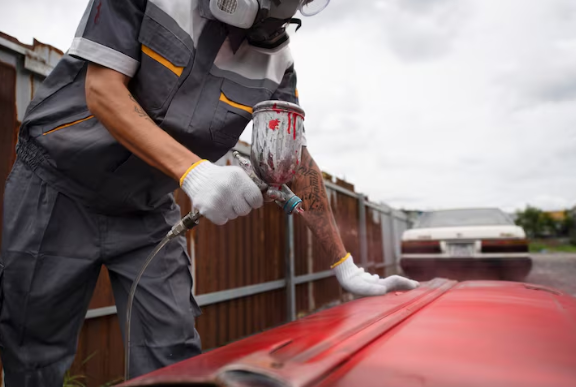
In the realm of industrial operations, ensuring the longevity of assets is a pressing concern. A protective coating application company plays a significant role in enhancing the durability of valuable equipment and structures. By understanding how to apply these coatings effectively, facilities can significantly reduce maintenance costs and downtime.
Enhance Protection with Coatings
Protective coatings serve as a powerful solution for extending asset lifespan. By creating a barrier between environmental elements and the surface of equipment, these coatings mitigate damage that could lead to costly repairs or replacements.
Identify Types of Coatings
Different types of protective coatings are available, each designed for specific applications and environmental conditions. Understanding the right type for a given situation can vastly improve outcomes. The main types include:
- Epoxy coatings: These provide excellent chemical resistance and are ideal for environments exposed to harsh substances.
- Polyurethane coatings: Known for their durability and UV resistance, they are suitable for outdoor applications.
- Zinc-rich coatings: These are vital for steel surfaces requiring high corrosion resistance.
Choosing the appropriate coating involves assessing various factors, such as the substrate material, exposure risks, and required longevity. This strategic choice ensures that investments in protective coatings yield maximum benefits.
Reduce Corrosion and Wear
Corrosion and wear are among the primary threats that shorten the lifespan of industrial assets. Implementing protective coatings provides a formidable defense against these issues, essential for maintaining operational efficiency.
Understand Corrosion Mechanisms
Corrosion is often a silent process that escalates unnoticed. By grasping how corrosion occurs and how protective coatings can prevent it, companies can adopt proactive measures. Key corrosion mechanisms include:
- Galvanic corrosion: Occurs when dissimilar metals are in contact in the presence of an electrolyte.
- Uniform corrosion: Leads to the even degradation of a surface due to environmental exposure.
- Pitting corrosion: Causes localized damage, resulting in small holes or pits on the material.
Utilize Coatings to Combat Wear
Wear can result from mechanical stress, exposure to abrasive materials, or environmental factors. Protective coatings can reduce wear rates significantly, leading to prolonged asset life. The application of coatings can address wear by:
- Providing a smoother surface that minimizes contact friction.
- Enhancing the surface hardness, which improves resistance to abrasion.
- Creating a chemical-resistant barrier to protect against reactive substances.
Maximize Equipment Performance
In addition to protecting assets from corrosion and wear, protective coatings enhance overall equipment performance. Properly coated machinery operates more efficiently and requires less frequent repairs.
Optimize Operational Efficiency
When machinery operates smoothly, it translates to better productivity and reduced operational costs. Key factors contributing to improved efficiency through coatings include:
- Enhanced heat resistance: Coatings can withstand elevated temperatures, allowing for more stable operations.
- Reduced friction: Smoother surfaces lead to less energy consumption during machinery operation.
- Improved chemical resistance: Reliable coatings prevent chemical degradation, maintaining performance standards.
Facilitate Maintenance and Inspection
Protective coatings contribute to easier maintenance and inspection routines. With a reliable coating system, crews can quickly identify issues and address them before they escalate. Benefits include:
- Streamlined cleaning processes, contributing to less downtime.
- Accessible surfaces for regular inspections, leading to early detection of wear and potential hazards.
- Prioritized areas for routine checks, allowing for focused maintenance efforts.
Engage Professionals for Quality Application
Engaging professionals for the application of protective coatings is essential to achieve optimal results. Their expertise can significantly influence the effectiveness of the coating, impacting the asset’s longevity.
Assess Application Requirements
Proper surface preparation and application techniques are vital for the success of protective coatings. Factors to consider when assessing application requirements include:
- Surface cleanliness: Existing contaminants must be removed for effective adhesion.
- Environmental conditions: Temperature and humidity can affect curing time and performance.
- Coating application methods: Techniques used can vary, impacting the final coat’s thickness and uniformity.
Prioritize Quality Control Measures
Establishing quality control measures during the application process is paramount. Ensuring that coatings are applied correctly reduces the risk of premature failures and maximizes asset protection. Key quality control measures include:
- Regular monitoring of application parameters like thickness and curing time.
- Conducting adhesion tests to ensure strong bonds with the substrate.
- Reviewing and documenting application processes to maintain a consistent standard.
Achieve Long-Term Cost Savings
Investing in protective coatings results in long-term cost savings for organizations. By extending asset lifespan and minimizing maintenance, companies can allocate budgets more effectively. Contact LINE-X.