Regular gutter cleaning and solar panel cleaning may not be the first tasks on a homeowner’s list, but both help protect the parts of a home that face the weather every day. When rainwater cannot drain freely or dust shades photovoltaic panels, small maintenance lapses can gradually affect the roof, foundation, and energy production. A simple seasonal routine can help prevent avoidable damage and keep these systems working as intended.
Protecting your roof and foundation with regular gutter cleaning
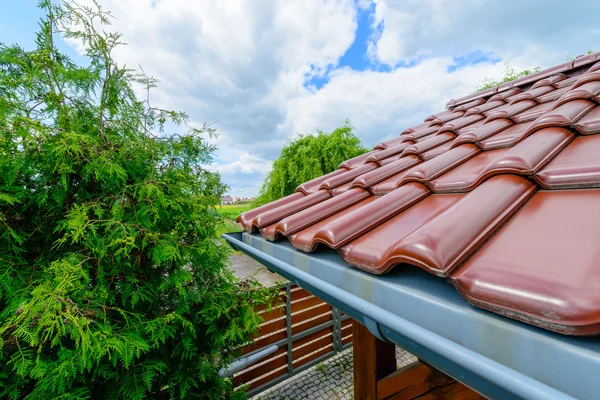
Gutters collect rainwater from the roof and direct it through downspouts, away from exterior walls and the foundation. Leaves, twigs, roof grit, and other debris can obstruct that route; during heavy rain, water may spill over the sides or remain trapped against the roof edge.
For Maya, a small blockage above the porch first showed up as a dark streak on the siding. Left unattended, persistent moisture can contribute to wood decay, mold growth, soil erosion, and water entering a basement. Clearing the channel helps prevent water damage and provides roof protection by reducing standing water and excess weight along the eaves.
Preventing overflow, dampness, and pest activity
Wet debris creates a sheltered environment that can attract insects and offer birds or rodents a place to nest. Overflowing water may also stain exterior surfaces and erode planting beds. Regularly removing debris gives water a clear path and helps keep these problems from taking hold.
After cleaning, check that water exits the downspouts and moves away from the house. During rainfall, watch for pooling, drips at joints, or sections where water sits; these signs can point to a blockage, leak, or misaligned gutter. A clear channel is useful only when the whole drainage route functions properly.
Preserving solar performance through careful panel cleaning
Solar panels need access to sunlight to generate electricity. Dust, pollen, bird droppings, and nearby tree debris can form a layer on the surface, reducing the light that reaches the photovoltaic cells and potentially affecting output. In dry or dusty locations, or beneath overhanging branches, buildup may appear sooner than it does on an exposed roof.
Improving energy efficiency without risking damage
Before cleaning, check the panel manufacturer’s care instructions and consider whether rain has already rinsed away loose dirt. If cleaning is appropriate, use a gentle approach and equipment approved for the system; abrasive materials, harsh chemicals, and high-pressure water can damage panel surfaces or seals. Avoid walking on panels, and never work on a roof without proper fall protection.
Maya’s panels were shaded by a light film of pollen rather than a serious deposit, so she first consulted the system guidance and observed their performance. The aim of solar panel cleaning is to restore a clear surface safely, not to scrub away every speck. A sensible method can improve energy efficiency and help extend panel lifespan.
Recognizing when a professional should step in
Panels that are difficult to reach, steep roof pitches, persistent staining, or visible damage are reasons to seek qualified help. A professional can assess the array, select suitable cleaning methods, and spot issues that surface washing will not fix. Cleaning cannot resolve electrical faults, shading from new growth, or equipment problems, so changes in output may warrant a broader inspection.
Planning seasonal maintenance for gutters and solar panels
There is no single schedule that suits every property. The number of nearby trees, local weather, roof shape, and the amount of dust or pollen all influence how quickly systems become dirty. Many homes benefit from gutter checks in spring and fall, while properties surrounded by trees or exposed to frequent storms may need additional inspections.
Rather than relying on a calendar alone, Maya checks the roofline after major storms and looks for new debris during seasonal yard work. This routine helps her identify small changes before they become harder to manage. A simple maintenance record can also make recurring trouble spots easier to notice.
Building a practical inspection routine
During a ground-level visual check, look for water spilling over, sagging sections, staining, or plant growth near the gutters. From a safe position, note whether panels appear heavily soiled or shaded, but leave roof access and cleaning to trained people whenever conditions are hazardous. The following checks help keep seasonal maintenance focused:
- Remove debris from gutters and confirm that downspouts drain freely.
- Look for loose brackets, separated joints, standing water, or visible leaks.
- Trim overhanging branches that drop leaves or seeds onto the roof.
- Review panel condition and follow the manufacturer’s cleaning guidance.
- Recheck drainage and roof surfaces after strong winds or heavy storms.
Gutter guards may reduce the amount of debris entering a system, but they do not eliminate the need for inspection. Fine material can still collect, and guards themselves may need attention. A quick check keeps a helpful feature from becoming a reason to overlook maintenance.
Choosing safe gutter and solar cleaning methods
DIY gutter cleaning can suit a single-story home with safe access and manageable buildup, but ladders and wet roofs introduce serious fall risks. Never lean beyond a ladder’s stable reach, and do not work near overhead power lines. If access is awkward or the roof is steep, hiring a trained service is the safer course.
Assessing professional help and system condition
Professionals can remove blockages, inspect fasteners and joints, and identify drainage problems that may be missed during a basic clean. For solar arrays, a qualified provider can follow system-specific guidance and distinguish surface dirt from signs of damage. Ask what the service includes and ensure the team is equipped to work safely at height.
For Maya, the turning point was a loose gutter bracket she spotted while arranging a seasonal check. Cleaning alone would not have corrected the sag, but an inspection revealed the repair needed to restore proper flow. When a problem involves roof access, damaged components, or uncertain panel care, a home maintenance professional can offer advice suited to the property.
| System | What to check | Why it matters |
|---|---|---|
| Gutters | Debris, leaks, sagging, and downspout flow | Supports drainage and helps prevent water damage |
| Solar panels | Visible soiling, shading, and surface condition | Helps maintain sunlight access and energy performance |
| Roof surroundings | Overhanging branches and storm debris | Reduces buildup and supports roof protection |