When starting any construction, a strong foundation is key. The right concrete slab supports your structure and boosts its lifespan. With many options in thickness, size, and type, choosing wisely can be tough. A correctly sized slab lasts for decades; a wrong one can lead to expensive fixes. Knowing your project’s needs is crucial. Let’s explore how to pick a slab that will endure.
Essentially, a concrete slab is a solid, flat surface made of poured material, which serves multiple purposes such as acting as a foundation, flooring, or even a driveway. Their strength and versatility make them integral in both residential and commercial applications.
Concrete slabs provide a stable base that evenly distributes weight, preventing structural issues like cracks from emerging. Furthermore, the proper thickness of the slab is essential, as it directly correlates to the load it can manage.
Assessing Your Project’s Needs
When planning a project, the first step is to assess your specific needs. Consider what will be placed on the slab and the environmental conditions it will face. This assessment will guide your choice of thickness, size, and mix for your concrete.
Analyzing Load and Usage
Consider how much weight the slab must bear. For instance, a residential floor typically requires a thickness of about 4-6 inches, whereas driveways often require a sturdier 5-6 inches.
Understanding the expected load will help determine if you should opt for a reinforced slab, possibly requiring steel rebar or mesh to enhance its load-bearing capacity. Be honest about your needs; overestimating or underestimating can lead to issues down the line.
Environmental Factors
Your local climate can also play a critical role in the type of concrete slab you choose. For example, if you reside in an area prone to frost, you might need to insulate the slab to prevent unwanted shifts and cracks. Additionally, during extreme temperatures, using additives in your concrete mix can affect curing times and strength. Therefore, understanding your environment is key to making the right choices.
Types of Concrete Slabs
Each type of slab serves a different purpose and comes with unique characteristics that are crucial for various projects.
Residential Slabs
For homes, a standard thickness of 4-6 inches is often recommended. The choice largely depends on whether you are setting up light flooring or heavy furniture. Always aim for the upper thickness where weight is uncertain; this ensures longevity and reduces the risk of cracking.
Driveway Slabs
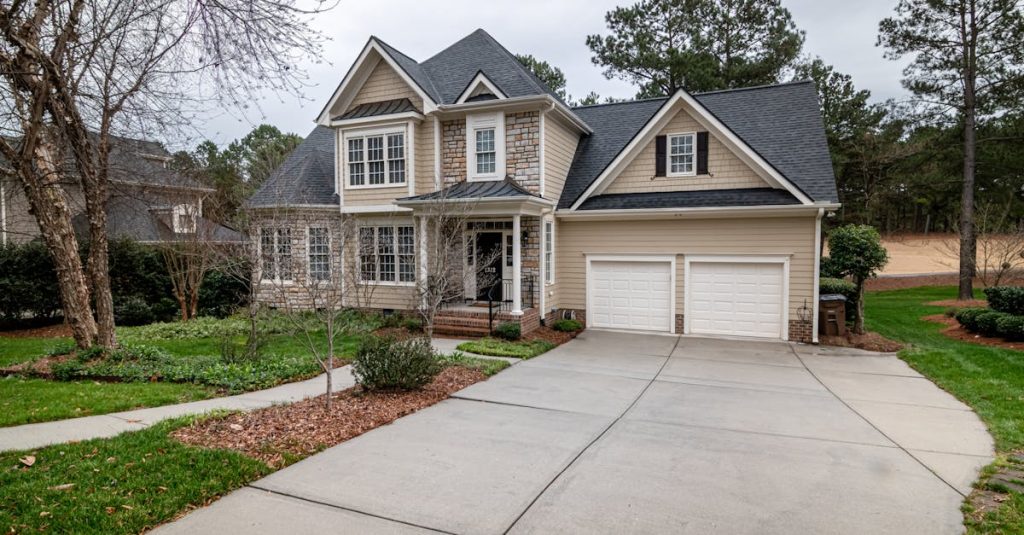
Driveways need to withstand vehicle pressure and should typically be 5-6 inches thick. Regular vehicular use may necessitate going even thicker to avoid cracks from repeated stress. Proper drainage underneath the driveway is also vital to ensure no pooling occurs.
Concrete Mix Options
Choosing the right concrete mix is just as essential as selecting the slab’s size and thickness. The strength of the concrete mix will determine how well your slab performs under stress.
Concrete Strength
Concrete is typically listed in pounds per square inch (PSI). For general residential purposes, a strength rating of 3,000 PSI suffices, but you may need as much as 10,000 PSI for more demanding applications like industrial settings. Always consider the weight that will be placed on the slab and consult with professionals to ensure you select the right mix.
Adapting to Weather Conditions
Local weather patterns can directly affect how well your concrete slab sets. In cold climates, heating methods may be necessary to speed up curing, while hot climates might call for retardants to slow down the setting process. Understanding these nuances isn’t just helpful—it’s crucial!
Estimating Your Project Costs
Budgeting is a necessary part of any construction project, and understanding the costs associated with your slab choice makes the planning process smoother. To aid you in this, we’ve provided a simple table that outlines common slab types, their recommended thickness, and approximate cost estimates to give you a clearer picture.
| Slab Type | Recommended Thickness | Estimated Cost per Sq. Ft. |
|---|---|---|
| Residential Floor | 4-6 inches | $4-$6 |
| Driveway | 5-6 inches | $6-$8 |
| Garage | 6-8 inches | $8-$10 |
| Patio | 3.5-4 inches | $5-$7 |
As you navigate through the complexities of choosing the right concrete slab for your project, remember that sometimes, expert guidance can make a world of difference. Working with structural engineers or concrete specialists, such as Precise Forming, can help ensure you’re selecting appropriate materials and techniques tailored to your specifications. Contact their team right now!