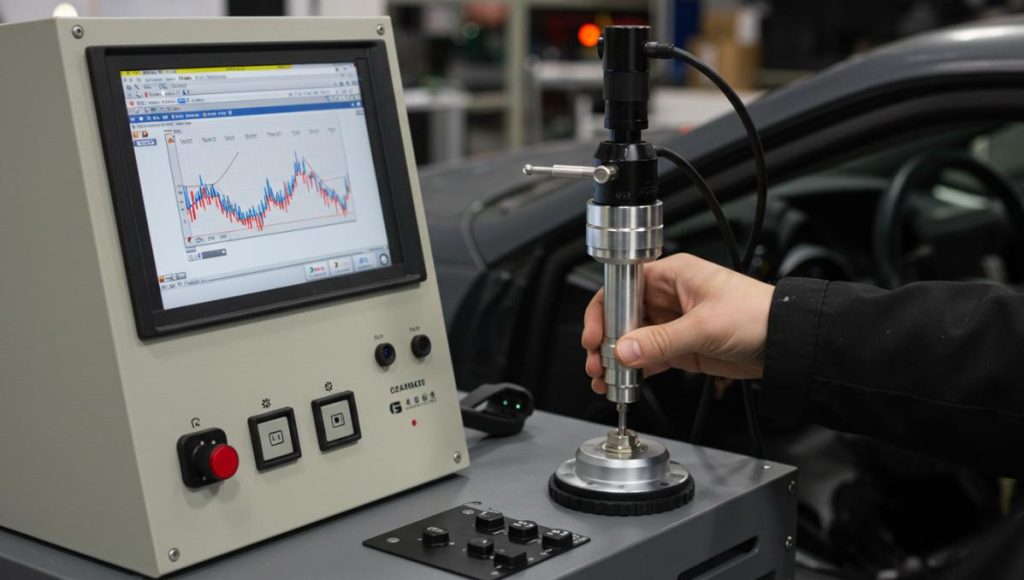
Modern vehicles increasingly rely on Advanced Driver Assistance Systems (ADAS) like lane-keeping assist and automatic emergency braking. These technologies boost road safety. However, after repairs such as a windshield replacement, these systems might not work correctly without a vital step: sensor recalibration. Ignoring this can compromise your safety, increase liability, and reduce the effectiveness of crucial safety features. Here’s what every vehicle owner should know.
Why Sensor Recalibration Matters
As vehicles evolve, proper maintenance goes beyond oil changes and brake pads.
Understanding ADAS and How Sensors Work
ADAS uses a network of sensors, cameras, radar, and lidar, to monitor surroundings and support safer driving. These sensors are typically mounted on the windshield, bumpers, or side mirrors. After certain repairs or accidents, even minor misalignments can cause these systems to fail or malfunction.
For example, a misaligned forward-facing camera might misinterpret lane lines or fail to detect vehicles correctly. This can lead to false warnings, or worse, no warning at all when you need it most.
According to a 2023 report by the National Highway Traffic Safety Administration (NHTSA), sensor calibration errors are responsible for nearly 12% of ADAS-related malfunctions following windshield replacements.
When Is Sensor Recalibration Required?
Sensor recalibration is essential whenever the following services or incidents occur:
-
Windshield replacement
-
Collision repair or bumper replacement
-
Suspension work or wheel alignment
-
Warning lights from ADAS components
If your car has undergone any of these, visit a specialist for proper recalibration. Learn more about professional recalibration services from Adrian Auto Glass, a trusted expert in the field.
How Recalibration Works: Static vs. Dynamic
Different vehicles and manufacturers require specific recalibration methods. Here’s how the process works.
Static Recalibration
Static recalibration is performed indoors, often using a laser or target board setup. The vehicle remains stationary while cameras and sensors are aligned to factory specifications.
This method is commonly used for:
-
Lane-departure warning systems
-
Front-facing cameras
-
Adaptive lighting systems
Dynamic Recalibration
Dynamic recalibration occurs while the vehicle is in motion. A technician drives the car under specific conditions while using diagnostic tools to fine-tune sensors in real time.
It is often required for:
-
Radar-based adaptive cruise control
-
Lane centering systems
-
Parking assist systems
Some vehicles may need both static and dynamic calibration depending on the ADAS configuration.
Risks of Skipping Recalibration
Overlooking recalibration can have serious consequences. Here’s why you shouldn’t ignore it.
Compromised Safety Features
Improperly calibrated sensors can misread road conditions or objects, leading to system failures. This includes:
-
Inaccurate lane detection
-
Missed pedestrian alerts
-
Faulty braking responses
These failures not only put you at risk but also other drivers and pedestrians.
Reduced Insurance Coverage
Many insurance companies now require documentation of proper sensor recalibration after repairs. Neglecting this can result in denied claims if your ADAS malfunctions cause or fail to prevent an accident.
Legal and Financial Liability
If an accident occurs due to non-functional ADAS, and recalibration was recommended but ignored, legal liability may fall on the vehicle owner or repair shop.
Benefits of Professional Sensor Recalibration
Using a certified technician for recalibration ensures your car’s safety systems work exactly as intended.
| Benefits | Impact on Your Vehicle |
|---|---|
| Improved road safety | Reduced risk of accidents |
| Enhanced system performance | Better detection accuracy |
| Regulatory compliance | Meet manufacturer and insurance standards |
| Extended vehicle lifespan | Minimized wear from faulty sensor feedback |
Choosing a Trusted Recalibration Service Provider
It’s essential to work with professionals who have the right tools, training, and certifications.
What to Look For
-
OEM-certified equipment and software
-
Technicians trained in ADAS systems
-
Transparent pricing and documentation
-
Warranty on services performed
Avoid general auto shops that lack ADAS experience. Instead, choose companies like Adrian Auto Glass, which specialize in windshield repair and recalibration. Their services are tailored to meet manufacturer specifications and ensure road safety.
Protect Your Drive with Accurate Sensor Recalibration
More than technical formality, sensor recalibration is a safety necessity. Whether after a windshield replacement, minor fender-bender, or suspension adjustment, ensuring your vehicle’s sensors are accurately aligned is vital to preserving the performance of your ADAS systems.
Don’t leave your safety to chance. Adrian Auto Glass offers professional sensor recalibration you can trust. Book your service today and drive with full confidence knowing your vehicle is equipped to protect you.