
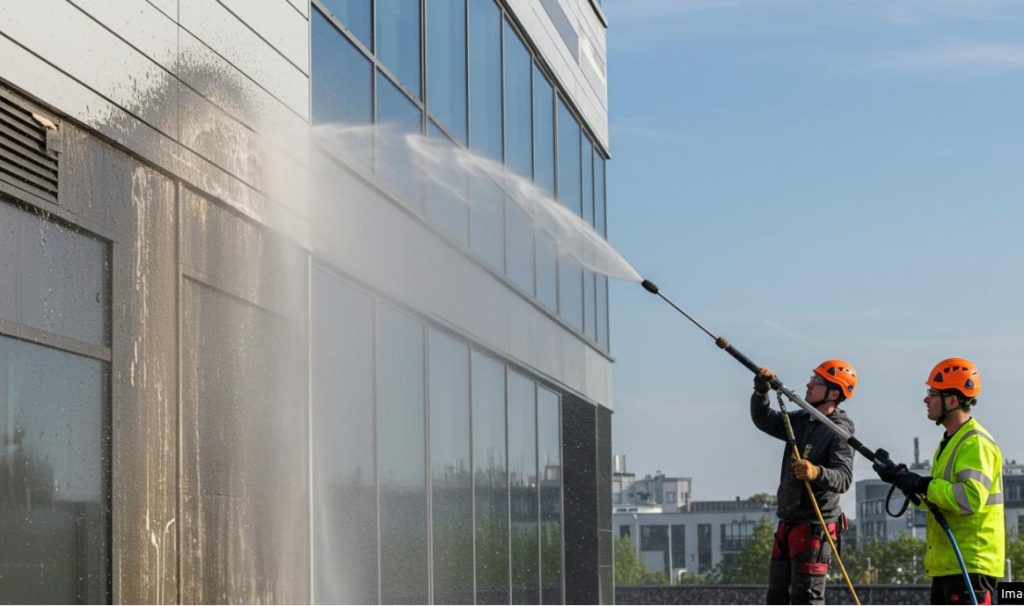
To preserve the aesthetics and longevity of your home, nothing beats a thorough exterior cleaning. Pressure washing is an extremely effective method for removing dirt, grime, and mold, leaving the surfaces of your property shining like new. With the right techniques and approach, you can give a new dimension to the exterior of your home.
Understanding the Basics of Pressure Washing
This powerful cleaning method uses high-pressure water jets to remove dirt and debris from various surfaces. However, pressure is not the only key factor; the technique and cleaning agents used are essential to protect the materials of your home.
The Importance of Choosing the Right Method
Each surface requires a specific cleaning approach. Wood siding requires gentle washing techniques, as the traditional method can damage it. Likewise, treatments for brick, stone, concrete, and vinyl siding vary, emphasizing the need for a precise strategy. Understanding the subtleties of pressure washing can save you money while preventing costly damage to your home’s exterior materials.
Step-by-Step Pressure Washing Process
Now that you know the basics, let’s explore the essential steps to achieve flawless exterior surfaces with high-pressure washing.
Preparation is Key
Preparation is crucial to the success of any pressure washing project. Start by clearing the area around your home and removing any obstacles that could interfere with the cleaning process. It’s important to protect plants and delicate surfaces nearby with tarps or plastic sheets to prevent potential damage.
Make sure all electrical appliances are turned off and that water sources are easily accessible. This proactive approach ensures a smooth pressure washing process.
Cleaning Detergents: The Secret Weapon
Choosing the right cleaning solution is imperative. For most surfaces, a detergent specifically designed for pressure washing can enhance the cleaning effectiveness. Prepare the chosen cleaner according to the manufacturer’s instructions; in general, a mixture of bleach and water is effective in removing mold. Let the solution sit long enough on the stained areas to penetrate the dirt and make it easier to remove.
A good quality cleaner maximizes the cleaning process while protecting the surfaces from harsh chemicals that could lead to deterioration.
Implementing the Pressure Washing Technique
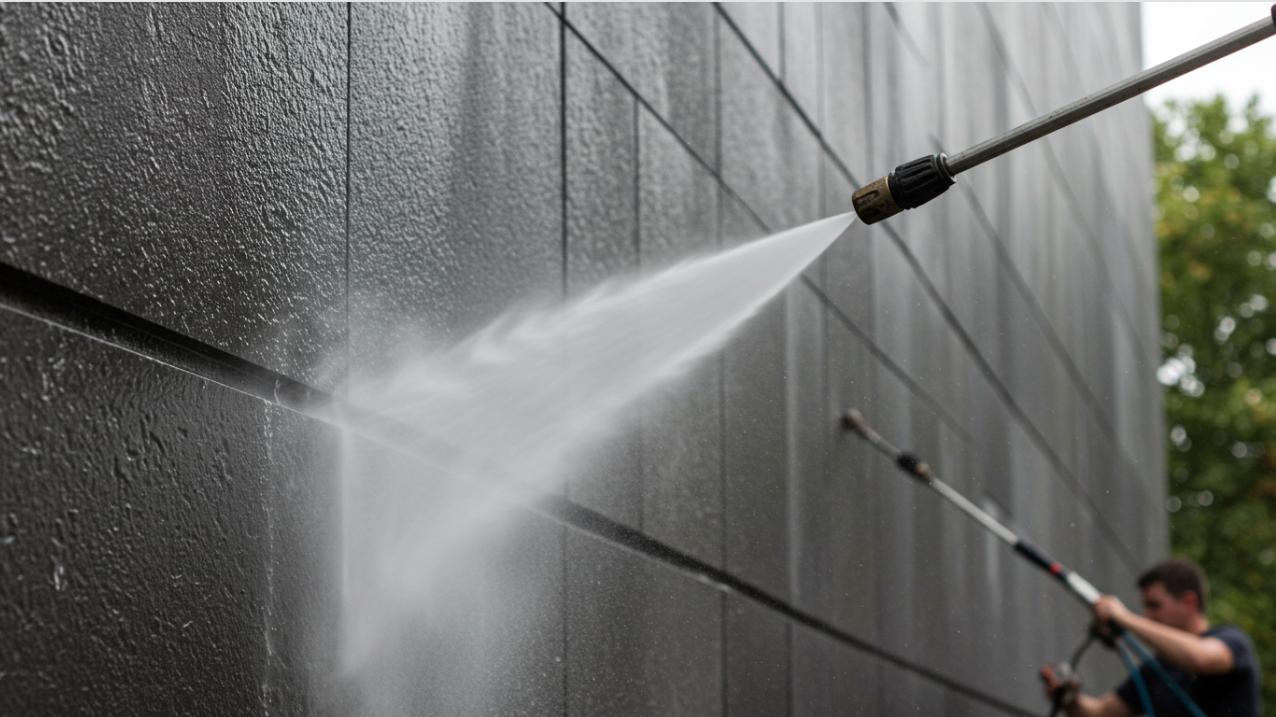
Now it’s time to grab your pressure washer. Always start with a low pressure, especially for delicate surfaces like wood and vinyl; a pressure of 1,200 to 1,500 psi (pounds per square inch) is generally ideal. Begin washing from top to bottom, ensuring each section is cleaned evenly, and that excess water flows downward to avoid streaks.
For surfaces like concrete or brick, it’s advisable to maintain a constant distance from the nozzle to avoid scratching or damaging the material. A sweeping motion helps achieve an even clean without overloading a particular area with water pressure.
Surface-Specific Techniques
As mentioned earlier, not all materials can withstand the same pressures or techniques. Let’s look at the specifics of different common exterior surfaces.
Wood Siding
Wood siding is vulnerable to damage from moisture, so it’s essential to use a gentle washing technique with environmentally friendly cleaners to remove mold and dirt without harming the wood. This method ensures a gentle and effective cleaning while preserving the integrity of the wood surface.
Brick and Stone
Brick and stone surfaces require special attention. These materials are often porous and can absorb excessive water, leading to cracks. A gentle wash will remove dirt and grime while protecting them from moisture-related problems. Using a suitable detergent and applying it generously can make all the difference for a flawless result.
Concrete and Vinyl Siding
Concrete, being highly porous, absorbs a lot of dirt. A gentle wash with an appropriate cleaner will effectively remove contaminants without damaging the surface. Similarly, vinyl siding requires a soft approach to prevent deformation, so non-abrasive cleaning products are ideal for cleaning without scratching the surface.
This table shows the recommended pressure based on the surface type:
| Surface Type | Recommended Pressure (PSI) | Cleaning Agent |
|---|---|---|
| Wood Siding | 1,200 to 1,500 | Eco-friendly Detergent |
| Brick | 1,500 to 2,000 | Specialized Brick Cleaner |
| Stone | 1,200 to 1,500 | Neutral pH Cleaner |
| Concrete | 1,500 to 2,500 | Concrete-Specific Cleaner |
| Vinyl Siding | 1,200 to 1,500 | Non-abrasive Eco Cleaner |
Post-Wash Maintenance and Inspection
Carefully inspect the surfaces to ensure every corner is cleaned effectively. Look for areas that may need additional attention or treatment, particularly around joints and seams, where dirt often hides.
Take the time to rinse surrounding areas, including your protected plants, to remove any residue that may have run off during the cleaning process. This inspection and final rinse are essential to maintain the shine of your home.
Safety Considerations
Safety should be your top priority throughout the pressure washing process. To prevent potential hazards and protect yourself from debris and cleaning agents, always wear proper protective gear, including gloves and safety goggles.
Additionally, consider scheduling your pressure washing on mild days. Avoid extreme temperatures, such as intense heat or cold, to ensure both your safety and the safety of your home.
While pressure washing may seem straightforward, its complexity and potential risks often justify hiring professionals like Sunrise Painting & Decorating. These experts ensure optimal maintenance of your home without any damage or improper cleaning.
In Summary
Pressure washing is a valuable method for keeping the exterior of your home pristine. By following these essential steps, from preparation to cleaning delicate surfaces, you’ll preserve the beauty and value of your property. Don’t hesitate to contact a professional in the field for flawless results.

