When it comes to plumbing issues in your home, understanding what to expect during a service visit can significantly alleviate anxiety and ensure a smoother process. Whether you’re dealing with a leaky faucet, a clogged drain, or more substantial plumbing challenges, being prepared for a professional visit allows you to approach the situation with confidence and clarity.
The Initial Assessment: What Happens First
Once the plumbing technician arrives, the first step typically involves an initial assessment of your plumbing system. They will begin by thoroughly examining the area where the problem is located. Expect them to investigate several components including pipes, fixtures, and other plumbing elements to diagnose the issue accurately. This detailed evaluation not only assists in identifying the root cause but also ensures that any recommendations provided later are tailored specifically to your needs.
It’s helpful to convey any relevant details you might have regarding the plumbing issue. Be prepared to discuss recent changes or events in your home that might have affected your plumbing system, this could include repairs, renovations, or odd symptoms you’ve noticed over time.
Discussion of Necessary Repairs
After conducting a thorough assessment, the plumber will head into the next phase: discussing necessary repairs. Here, they will explain their findings in clear terms and present you with potential solutions. It’s important to pay attention to the proposed options, as they can range from straightforward fixes to more complex tasks requiring considerable work. During this discussion, the plumber will also outline the estimated costs involved as well as the timelines for completing the repairs.
This phase is your opportunity to ask questions and seek clarity on any recommendations. Engaging in a conversation about what’s necessary versus optional can save you time, money, and future headaches.
Executing Plumbing Services
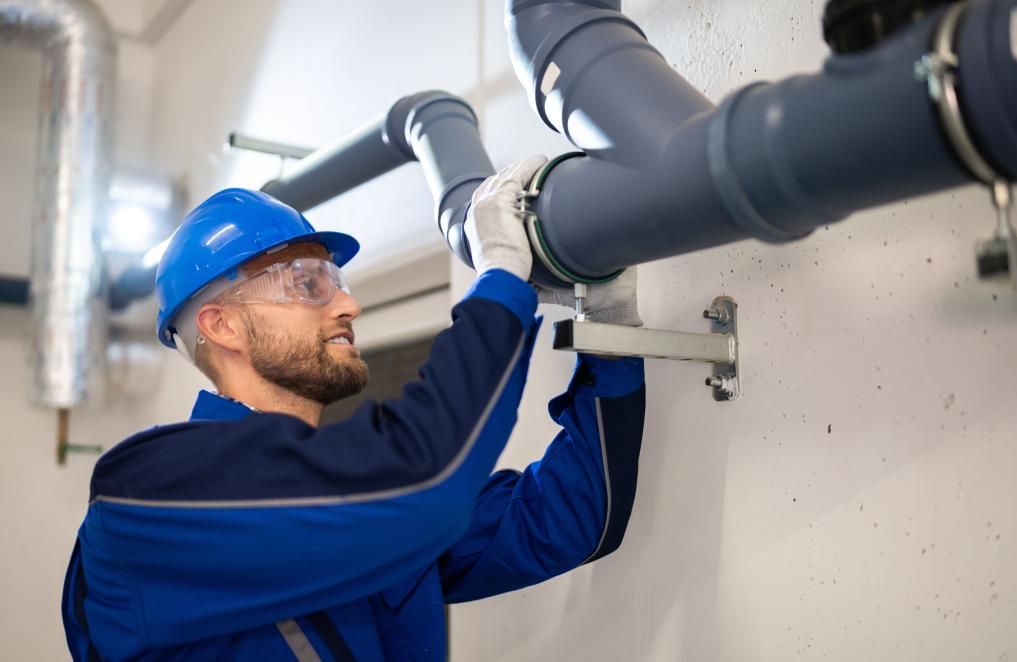
Once you’ve agreed to the proposed repairs, the next step is executing the plumbing services. The skilled technician will now take action, whether that means replacing damaged parts, repairing leaks, or installing new fixtures. Throughout this process, you can expect the work to be performed in accordance with industry standards, ensuring safety and effectiveness in every task completed.
It is crucial to know that a professional plumber should not only fix the immediate issues but also ensure that everything is in good working order to prevent future problems. This means they may also offer insights into maintaining your newly repaired system.
Benefits of Regular Maintenance Appointments
One of the key aspects of plumbing service that homeowners often overlook is the importance of regular maintenance. Scheduling routine check-ups can prevent unexpected issues from cropping up and can extend the lifespan of your plumbing systems. During these routine visits, technicians can spot early warning signs of wear and tear, allowing for timely and often less expensive repairs down the line.
Additionally, having scheduled maintenance ensures that your system operates as it should, effectively reducing the risk of costly emergencies that could disrupt your daily life.
Understanding Common Plumbing Challenges
Homeowners often grapple with several common plumbing challenges such as leaks, clogs, and fluctuations in water pressure. Each of these problems, if unattended, can lead to increased repair costs and disruption in your daily routine. Familiarizing yourself with these issues can equip you to recognize when it’s time to call in a professional.
Understanding their ramifications—as well as the fact that most homeowners face similar dilemmas—can ease the worry of calling for help when something goes wrong.
Solutions to Frequent Plumbing Problems
Be prepared to address common issues that may arise, such as:
- Fixing leaks promptly to minimize waste and damage to your home.
- Clearing clogs to ensure smooth drainage and maintain hygiene.
- Adjusting water pressure for better efficiency in household appliances.
These solutions, while straightforward, require professional attention to ensure lasting results.
Best Practices for Homeowners
In addition to employing professional plumbing services, homeowners can adopt best practices to care for their plumbing systems. Simple measures like avoiding pouring grease down the sink and using drain screens can significantly contribute to prolonging the life of your plumbing fixtures.
Implementing these practices not only minimizes the likelihood of service calls but also contributes to a well-maintained home environment.
Understanding Industry Standards
It’s essential to know that professional plumbers adhere to strict industry standards during their service delivery. These guidelines ensure that the work done complies with local regulations, providing peace of mind that repairs will be durable and exceptionally executed.
Cost Considerations for Services
The cost associated with plumbing services can vary widely based on the complexity of the needed repairs and materials used. Understanding the pricing structure upfront, including any potential additional costs, allows for more informed decisions regarding your plumbing needs. Additionally, considering long-term savings to prevent future issues can make the investment in plumbing repairs worthwhile.