
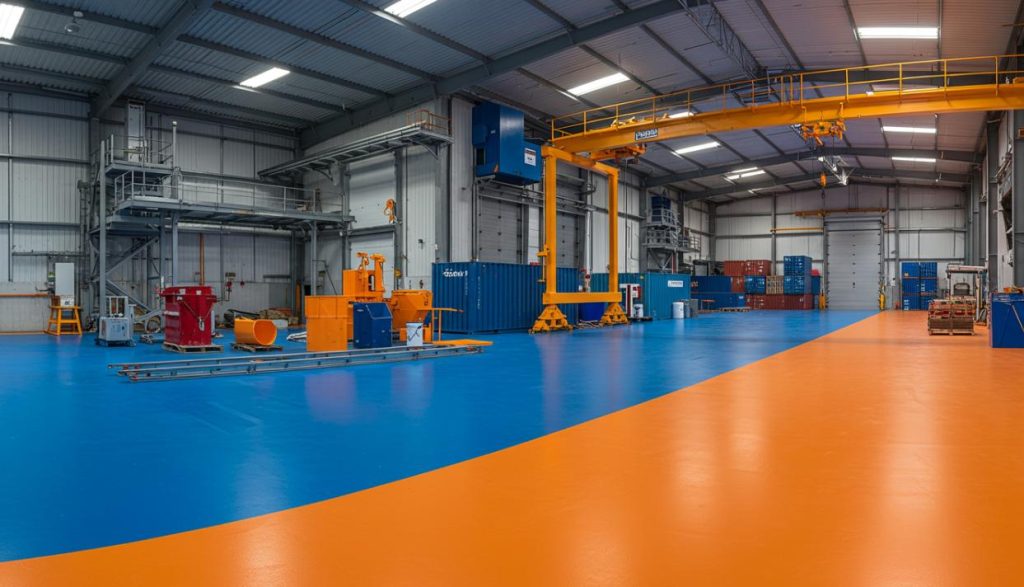
In industrial environments, protecting infrastructure and equipment is essential for operational success. The long-term performance of assets has a direct impact on efficiency, safety, and overall costs. One of the most reliable ways to protect these assets is through industrial painting. While often associated with surface appearance, this process plays a much deeper role in asset preservation and risk management.
This article explores why industrial painting should be a core part of every company’s asset protection strategy.
The Role of Industrial Painting
Industrial painting refers to the application of protective coatings on surfaces in facilities such as factories, warehouses, and plants. These coatings are specifically formulated to resist wear from environmental and operational stress, including chemical exposure, abrasion, and extreme weather.
Unlike decorative paint, industrial coatings are performance-driven. They must be applied using the proper equipment and techniques to ensure they bond correctly and deliver long-term protection. Surfaces like metal, concrete, and machinery often require specialized preparation before the coating process begins.
Defending Against Environmental and Operational Damage
Industrial assets face constant exposure to challenging conditions. Moisture, ultraviolet radiation, temperature changes, and airborne pollutants all contribute to material degradation over time. Metals are particularly vulnerable, often showing signs of corrosion or rust if not protected. Concrete can crack, stain, or erode when exposed to harsh chemicals or continuous wear.
A properly applied industrial coating forms a physical barrier that limits this damage. It prevents water intrusion, slows oxidation, and resists chemical spills. This helps maintain the asset’s structural integrity and ensures safe and uninterrupted operation.
Long-Term Savings Through Preventive Maintenance
One of the key benefits of industrial painting is its cost-effectiveness. While it involves an upfront investment, it significantly reduces long-term expenses related to repairs, part replacements, and equipment downtime.
Preventive painting programs, when scheduled regularly, allow companies to catch and address surface issues early. This means small cracks or rust spots can be treated before they lead to larger failures. Over time, the savings from reduced maintenance, fewer shutdowns, and extended equipment life outweigh the initial costs.
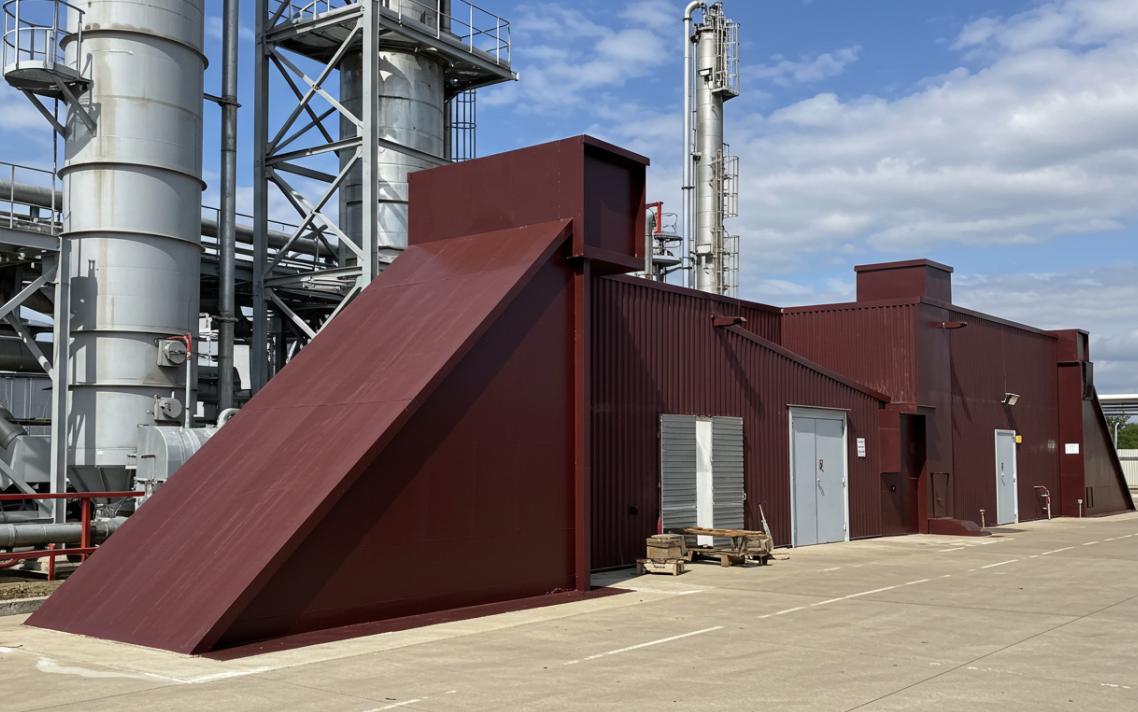
Supporting Compliance and Operational Safety
Many industries operate under strict regulatory frameworks that include environmental and safety standards. Industrial painting can play a critical role in helping companies meet these requirements.
For example, certain coatings are designed to be fire-resistant or anti-slip, both of which improve safety in high-risk environments. Others reduce the risk of contamination in sectors like food production or pharmaceuticals, where hygiene is essential. Industrial coatings can also help contain hazardous substances, protecting workers and the environment from exposure.
By maintaining coating systems in line with industry regulations, companies reduce legal and financial risks while demonstrating a commitment to workplace safety.
Enhancing Facility Appearance and Asset Value
While protection is the primary function, industrial painting also contributes to the overall appearance of a facility. Clean, well-painted surfaces convey a message of professionalism, discipline, and high standards.
This can have a positive impact in several ways:
- Employees tend to take better care of a well-maintained environment.
- Clients, partners, and investors view the facility more favorably.
- The resale value of equipment and property can increase with better visual condition.
Maintaining a clean and organized appearance also reflects a company’s attention to detail and commitment to quality.
Choosing the Right Coating System
Not all coatings are the same. The effectiveness of industrial painting depends on selecting the right product for the material, usage, and environmental exposure.
Here’s a brief comparison of commonly used coatings and their ideal applications:
|
Type of Coating |
Best Use |
Durability |
|---|---|---|
|
Epoxy Coating |
Factory floors, tanks |
High |
|
Polyurethane Coating |
Outdoor machinery, piping |
Medium |
|
Acrylic Coating |
Indoor metal structures |
Medium |
|
Zinc-Rich Coating |
Steel surfaces (anti-rust) |
High |
Working with knowledgeable professionals ensures the correct coating is chosen, applied properly, and maintained over time.
Industrial painting is more than just a finishing touch, it’s a proactive measure to protect valuable assets. By preventing environmental damage, supporting regulatory compliance, and reducing maintenance costs, it helps businesses operate more efficiently and sustainably.
To ensure the best results, partner with a company that specializes in industrial coatings. LK Painting Service offers expert solutions tailored to your specific needs. Contact they today to learn how we can help extend the life and value of your assets.

