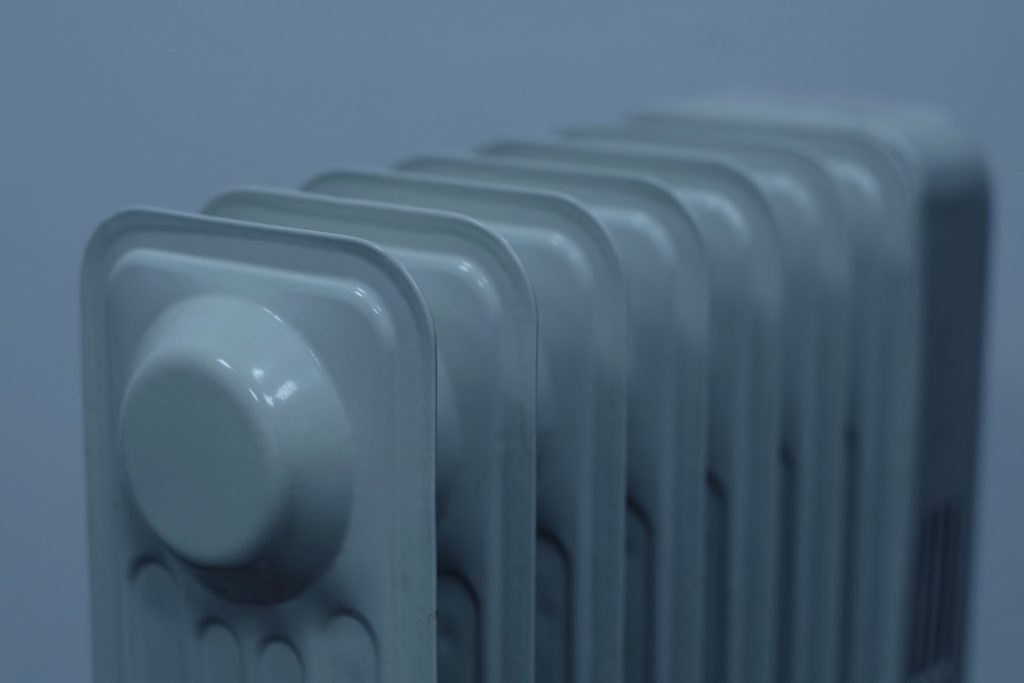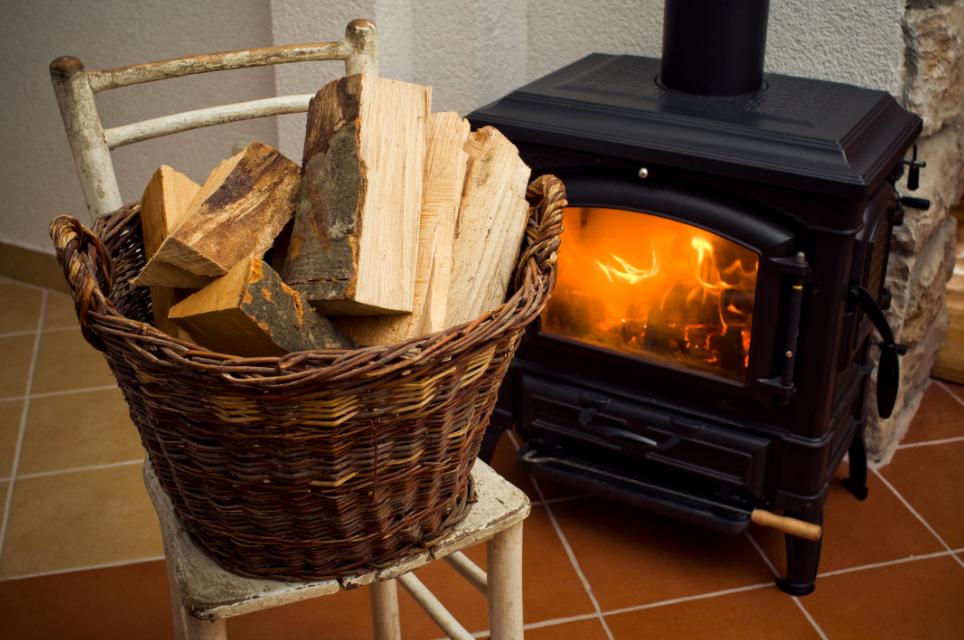
As winter approaches and temperatures drop, improving your heating system’s efficiency becomes a smart way to stay warm while reducing energy bills. With energy costs on the rise, simple upgrades and changes in habit can help you lower consumption without sacrificing comfort.
Understanding Your Heating System
To improve efficiency, start by understanding your system. Whether you rely on a gas furnace, electric heater, or heat pump, each system has unique features that impact performance. Learn about your unit’s AFUE (Annual Fuel Utilization Efficiency) rating to measure how effectively it turns fuel into heat.
If your system is over 15–20 years old, it may operate inefficiently. In that case, consider replacing it with a newer, high-efficiency model. Though it requires an upfront investment, a modern unit typically consumes less energy and delivers better heating over time.
Sealing Air Leaks
Preventing heat loss is one of the most cost-effective ways to cut energy use. Air often escapes through gaps around windows, doors, and ductwork. Seal these openings using weatherstripping, door sweeps, and caulking.
A simple test using a candle or incense stick can help you detect leaks—if the smoke wavers, there’s likely a draft. Addressing these issues not only boosts system efficiency but also improves overall comfort.
Insulating Your Home
Good insulation prevents warm air from escaping and keeps cold air out. Focus on insulating walls, floors, and especially attics. Since heat rises, uninsulated attic spaces can cause significant energy loss.
If your insulation is over 15–20 years old, have it inspected. Updating outdated or compressed insulation can lead to noticeable savings. Proper insulation creates a thermal barrier, helping maintain steady indoor temperatures without overworking your system.
Utilizing Programmable Thermostats
Programmable thermostats are simple tools that offer big returns. By setting your heating schedule around your lifestyle, you reduce energy usage when it’s not needed.
For example, maintain indoor temperatures around 68°F (20°C) when you’re home and lower it to 65°F (18°C) while sleeping or away. Smart thermostats can automate these settings and adjust to your habits, further maximizing efficiency.
Regular Maintenance of Heating Systems
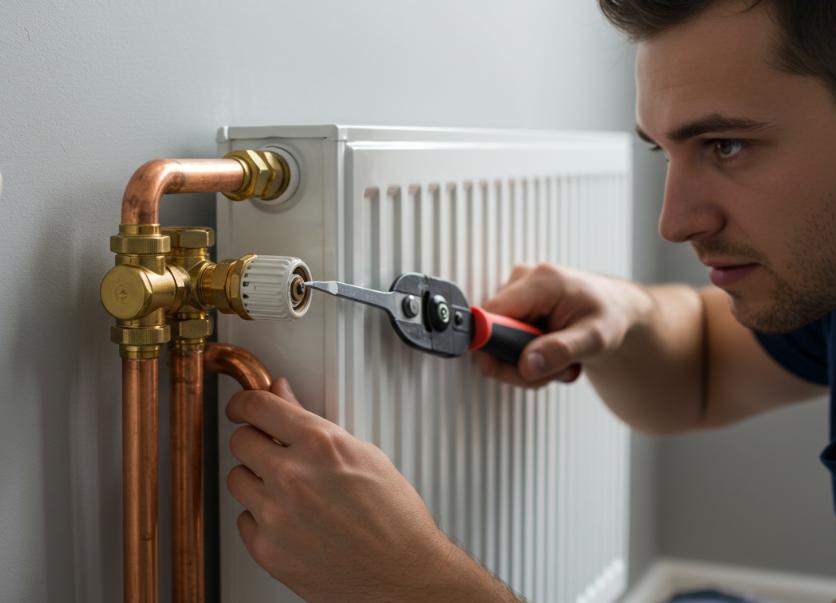
Routine maintenance ensures your system operates at peak performance. Schedule professional servicing at least once a year to clean components, inspect parts, and identify any early issues.
Dirty air filters restrict airflow, forcing your system to work harder. Replace or clean filters every 2–3 months—or more often if you have pets or allergies. Clean vents and ducts also improve air quality and performance.
Taking Advantage of Natural Heat
Sunlight is a free and effective heat source. During the day, open curtains and blinds to let the sun warm your home naturally. At night, close them to retain the heat.
Thermal or insulated curtains can also help reduce heat loss through windows. This simple habit can support your heating system and lower daily energy use.
Annual Home Energy Audit
An energy audit identifies inefficiencies in your home’s heating and insulation. Many utility providers offer free or low-cost audits, where a professional evaluates your home’s energy performance.
Auditors often recommend actions like sealing duct leaks, improving insulation, or upgrading windows. These insights can help you prioritize the most impactful improvements.
Switching to Energy-Efficient Appliances
If you’re replacing or upgrading heating appliances, look for energy-efficient models certified by recognized standards. Newer systems consume less power and perform better, which helps reduce monthly expenses.
Energy-efficient equipment can also reduce your environmental footprint while maintaining warmth and reliability during the coldest months.
Using LED Lighting and Smart Habits
LED lights consume less energy and generate less heat than traditional bulbs, making them ideal for energy-conscious households. While they don’t directly affect heating, they contribute to overall energy savings.
Additionally, adopt efficient habits like unplugging unused electronics, using timers, and running appliances during off-peak hours. These changes create a more sustainable household and reduce strain on your heating system.
The following table summarizes the key strategies discussed, offering a clear overview of how to improve heating efficiency and reduce energy costs:
| Strategy | Action Items | Benefits |
|---|---|---|
| Understand Your System | Know your unit type and AFUE rating | Informed decisions and potential upgrades |
| Seal Air Leaks | Weatherstrip, caulk, test with incense | Prevents heat loss and improves comfort |
| Improve Insulation | Check attic, wall, and floor insulation | Reduces energy loss and stabilizes temperatures |
| Use Smart Thermostats | Automate heating schedules | Energy savings and better temperature control |
| Schedule Regular Maintenance | Annual checkups, clean filters and ducts | Extends system life and maintains efficiency |
| Harness Natural Heat | Open blinds during day, close at night | Cuts down on system workload |
| Conduct an Energy Audit | Use utility services or hire professionals | Identifies areas for cost-effective improvements |
| Upgrade to Efficient Equipment | Install high-efficiency models | Long-term savings and enhanced performance |
| Adopt Energy-Saving Habits | Use LED lighting, unplug devices, optimize usage | Reduces overall household energy consumption |
Key Takeaways
Optimizing your heating system doesn’t require drastic changes. By combining smart upgrades—like sealing leaks and using programmable thermostats, with routine maintenance and energy-conscious habits, you can significantly cut costs.
Remember to assess insulation, use sunlight effectively, and consider professional audits or equipment upgrades when needed. Each small step contributes to a more efficient home and a warmer, more comfortable winter—without the high energy bills.