When launching a mobile food venture, choosing between a food trailer and a food truck is a critical decision that can influence your profitability. Understanding the distinct advantages of each option can help you make an informed choice tailored to your culinary dreams.
Comparative Analysis of Food Trucks and Food Trailers
To get started, let’s clarify what separates these two popular options. A food truck is a self-contained vehicle, complete with a kitchen and the capability to drive itself to several locations. In contrast, a food trailer is typically a towable unit that requires a separate vehicle for transport. Each model caters to different business philosophies and operational needs.
Exploring the key differences between food trucks and food trailers can provide clarity on what will best suit your business model.
Cost Considerations
The financial aspect is often the most significant factor when deciding between a food truck and a food trailer. Food trucks usually have a higher initial investment, averaging between $70,000 to $100,000 depending on the equipment. On the other hand, food trailers can be acquired for $20,000 to $60,000, making them a more budget-friendly option, although you will need to factor in the cost of a reliable towing vehicle.
Beyond the initial investment, operational costs differ between the two; food trucks incur maintenance expenses such as fuel and insurance, while food trailers generally allow for lower maintenance costs. Understanding these financial elements can guide you in maximizing profits.
Mobility and Flexibility
Mobility plays a vital role in the success of a mobile food business. Food trucks offer flexibility by allowing vendors to easily navigate to high-demand areas, increasing their earnings potential. This is particularly beneficial during food festivals or special events.
In contrast, food trailers are less mobile once set up. They often serve in a fixed location for a longer duration, which can limit customer outreach unless placed strategically in bustling food markets or at popular venues.
Kitchen Space and Equipment
When it comes to kitchen space, food trucks generally offer a larger area with more equipment options. This is crucial for businesses looking to offer a diverse menu of dishes, which can attract a wider audience. From cooking gourmet burgers to preparing artisanal tacos, food trucks enable culinary creativity.
Food trailers, while they may offer spacious accommodations, often come with limitations on the kitchen equipment you can include. This constraint might require creative menu design, appealing to a more focused market niche instead.
Regulatory Considerations
Navigating regulations is a necessary part of operating either a food truck or a food trailer. Understanding the permitting landscape before launching your business is essential.
Licensing and Permits
Food trucks may face stricter regulations due to their mobile nature, often requiring detailed permits that include health inspections and zoning clearances. These compliance measures can be time-consuming and costly.
Food trailers usually operate from fixed locations, which may streamline the permitting process. Vendors might find it easier to secure the necessary licenses when planning to stay at a single venue for an extended period, making it a viable option for those focusing on local markets.
Customer Experience
Your customers’ experience plays a crucial role in building a loyal client base. The setup of your mobile food business will directly impact this experience.
Engagement and Ambiance
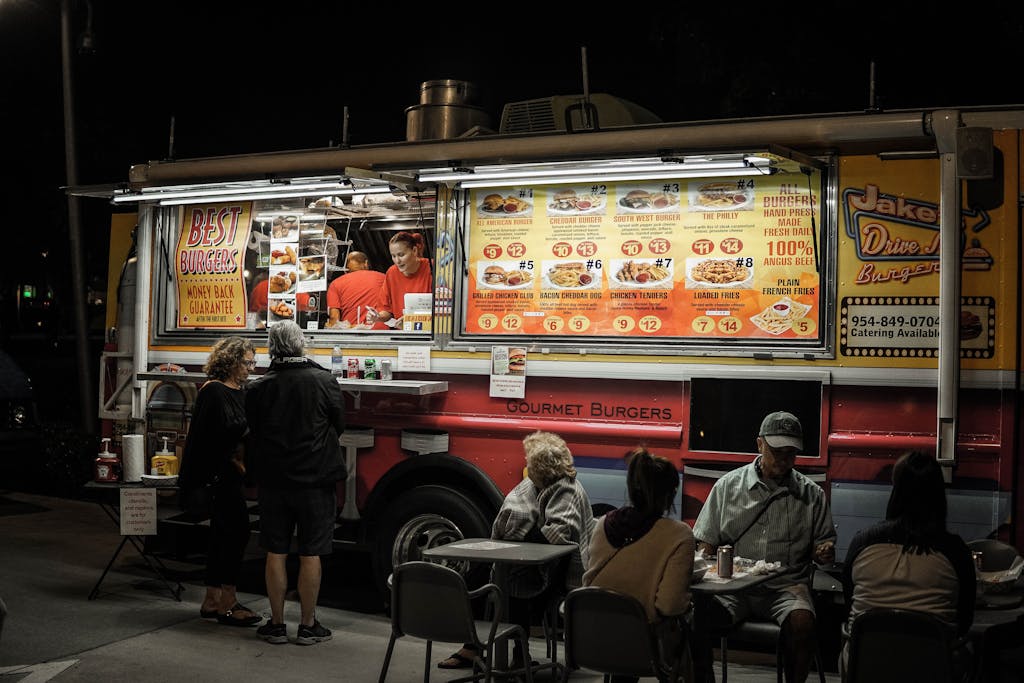
Food trucks often cultivate an engaging atmosphere, allowing customers to see their food being prepared, fostering a personal connection. The vibrant design and decor of food trucks can attract passersby, contributing to foot traffic.
Food trailers may lack the same level of direct customer engagement, but they can set up inviting outdoor seating and host events that enhance the customer experience. Understanding how to engage your audience through your chosen setup is crucial for long-term success.
Pros and Cons at a Glance
Summarizing the advantages and disadvantages of each option can simplify your decision-making process.
| Criteria | Food Trucks | Food Trailers |
|---|---|---|
| Cost | Higher initial costs | Lower initial costs |
| Mobility | Highly mobile | Less mobile |
| Kitchen Space | Larger kitchen space | Often limited equipment |
| Regulatory | Stricter permitting | Simpler licenses |
| Customer Engagement | Direct interaction | Less direct interaction |
Determining What’s Best for Your Business
Ultimately, how do you decide which option is best for your mobile food business? Several factors warrant your consideration.
Your Business Goals
First, evaluate your goals. If your vision entails high mobility to serve various locations, a food truck will likely be a better investment. Conversely, if your aim includes establishing a strong presence in a specific area, a food trailer may align better with your objectives.
Budget Considerations
Your budget will play a significant role as well. A food trailer may provide a more economical setup which can be beneficial for aspiring food entrepreneurs keen to invest in equipment or marketing later. With a tight budget, careful planning will ensure that every dollar is maximized.
Experience Factor
Lastly, consider the type of experience you wish to create for your customers. If the interaction and atmosphere are pivotal to your concept, a food truck could efficiently achieve that vibrant environment. However, if your model focuses on specific markets and catering, a food trailer will serve those needs effectively.
As you embark on your journey in the mobile food industry, comparing both options reveals essential strategies for profit maximization. Whether leaning towards the flexibility of a food truck or the practicality of a food trailer, your dedication to food quality and outstanding service will undoubtedly bring success.
Contact Design Solution Concession Inc. today to explore customizable food trailers tailored to your needs, ensuring every detail meets your culinary vision!