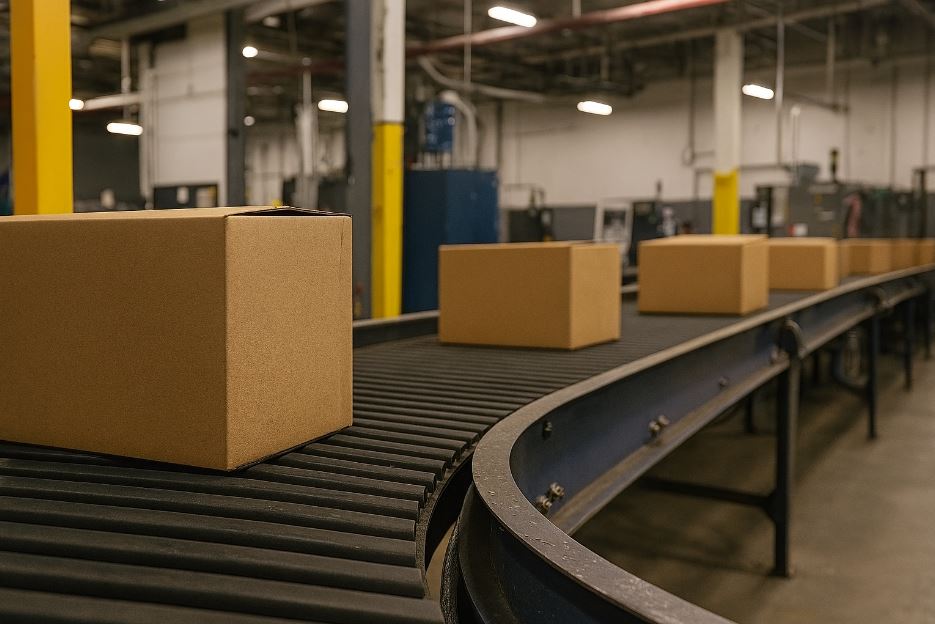
Conveyor belts are the unsung heroes of many industries, tirelessly moving materials to keep operations flowing smoothly. But like any hardworking component, they face wear and tear that can lead to costly downtime if not properly maintained. Ensuring your conveyor belts last as long as possible means smart upkeep, attentive inspections, and careful handling. Whether you’re managing heavy duty belts in mining or delicate cleated belts, a proactive approach can save both time and money.
Why Regular Inspections Are Your Conveyor Belt’s Best Friend
Before diving into maintenance routines, it’s crucial to recognize that frequent inspections are the foundation of prolonging belt life. The harsh environments heavy duty conveyor belts often endure can cause stress, cracks, and misalignments that, if overlooked, shorten their service span dramatically.
Checking the belt surface for signs of cracks or thinning helps catch early damage before it worsens. Equally important is monitoring the belt tracking—a misaligned belt wears unevenly and wears components faster. Observing the condition of rollers and pulleys reveals hidden stress points since heavy loads can accelerate their deterioration.
Additionally, tension must be regularly assessed because conveyor belts naturally stretch during use. Proper tension prevents slippage and maintains smooth operation. Together, these practices ensure small issues don’t snowball into expensive breakdowns.
Smart Maintenance: Cleaning, Lubrication, and Wear Management
Heavy duty and cleated conveyor belts thrive when kept clean and lubricated. Material buildup such as dust, dirt, and debris not only causes abrasions but also leads to excessive friction that drains the system’s efficiency.
Using appropriate cleaning agents that won’t degrade the belt material is essential. Avoid harsh chemicals and opt for cleaners specifically designed for conveyor belts. Regular removal of contaminants prevents abrasive damage and protects critical parts like bearings and rollers.
Lubricating moving components minimizes strain on the belt by reducing friction and wear. It’s a simple yet effective step to enhance overall system durability and performance.
When wear does appear, address it promptly. Reinforcing weaker sections with repair kits can halt further deterioration, while seriously worn segments might require replacement. Upgrading to belts made of high-strength, abrasion-resistant materials is a wise investment for demanding environments, dramatically extending operational life.
Design and Environmental Factors That Shape Belt Longevity
The lifespan of conveyor belts isn’t just about maintenance. Thoughtful design choices and environmental management play major roles in how long your belts perform well.
Minimizing the impact forces at loading points, for example, reduces sudden stress on the belt. Constructing transfer zones that gently deposit materials onto the center of the belt at manageable velocities protects it from premature wear. Likewise, selecting drive pulleys with an appropriate diameter reduces belt deformation, lessening abrasion.
Environmental conditions, from extreme temperatures to dust exposure, also affect belt durability. Ensuring belts have heat and chemical resistance where necessary prevents brittleness and cracking. For dusty operations like mining, implementing effective dust management systems reduces resistance and drag.
The length of your conveyor also matters: longer belts typically last longer since the same spot doesn’t bear heavy loads as frequently as on shorter conveyors. These design considerations combined with proper material handling elevate your conveyor’s performance and longevity.
Best Practices for Daily Care and Long-Term Efficiency
Beyond design and periodic inspections, daily operational habits heavily influence conveyor belt service life. Implementing a well-structured preventive maintenance program ensures that small issues are caught early and resolved quickly.
Pay attention to common problems such as mistracking, which causes uneven wear and stresses components. Immediately correcting belt misalignment extends durability. Using properly adjusted scrapers helps combat material carry-back, reducing load on idlers and preventing buildup.
Regularly monitor for belt slippage caused by polished drive surfaces or worn pulley lagging. Timely replacement of lagging materials, possibly with higher-performance ceramic versions, keeps traction optimal.
Train operators thoroughly in conveyor usage best practices like controlled loading and recognizing early damage signs such as cuts or tears. Incorporating automated diagnostics and tracking systems can provide real-time insights, enabling faster response to wear trends and reducing unplanned downtime.
For more tips on choosing the right belt and essential industrial supplies, visit this detailed guide and explore key industrial necessities to keep your operations running seamlessly.
Don’t wait for belt issues to disrupt your workflow. Take proactive steps today. Reach out to expert conveyor service providers who can tailor maintenance programs and support your specific operational needs for maximum belt longevity and performance.
https://www.youtube.com/watch?v=r90lGgeRKas