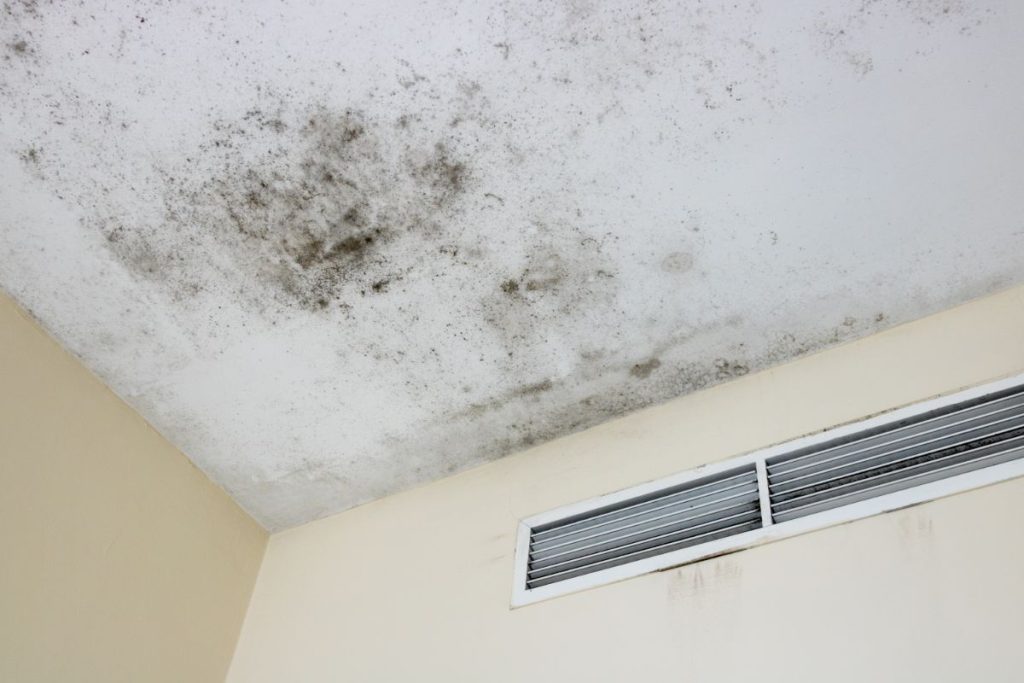
Bathrooms are naturally prone to excess moisture, making them ideal environments for mold growth. Without proper airflow, humidity lingers, encouraging spores to spread on grout, wallpaper, and other porous surfaces. This not only damages structures but can also trigger respiratory irritation. A clean, functional ventilation system is your first line of defense—removing damp air, reducing condensation, and maintaining a balanced atmosphere. By ensuring effective air exchange, homeowners protect both their health and their bathroom’s integrity, keeping the space fresh, dry, and mold-free.
Choosing and Maintaining Efficient Exhaust Fans for Mold Prevention
Ventilation systems, particularly exhaust fans, come in various types and efficiencies, designed to fit different bathroom sizes and layouts. Selecting the right fan with appropriate airflow capacity, measured in cubic feet per minute, or CFM, is vital. A fan rated to remove 50 CFM is perfect for a medium-sized bathroom, while larger spaces require more powerful units, possibly multiple fans, to maintain consistent moisture control.
Modern models often feature energy-saving technology and quiet operations, minimizing both energy consumption and noise disruption. Features such as humidity sensors and timers enable fans to operate only when needed, guaranteeing efficient moisture removal without unnecessary power use. Insulated ducts help prevent condensation buildup inside ventilation channels, further improving system reliability and mold resistance.
Proper installation is equally important to ensure that moist air exhausts outdoors rather than into attics or poorly ventilated spaces where it could cause higher moisture accumulation. After installation, routine maintenance guarantees longevity and optimal performance: cleaning fan grills monthly, inspecting wiring, and ensuring ducts are free from lint or blockage. Running simple tests, such as feeling suction near the intake, confirms your fan functions correctly.
Neglecting maintenance could reduce airflow or cause breakdowns, creating the perfect setting for mold development. Consistent care ensures your bathroom remains comfortably dry and hygienic.

Daily Practices to Control Moisture and Inhibit Mold Formation
Beyond mechanical means, simple daily habits can make a substantial difference in preventing mold growth. Allowing towels and bath mats to dry thoroughly outside the bathroom, wiping down walls and tiles with a squeegee after showers, and keeping doors or windows slightly open to promote airflow all contribute to moisture reduction.
Keeping showers brief lowers humidity spikes, while fixing drips and plumbing leaks promptly prevents moisture accumulation in unseen areas. Avoid placing plants inside the bathroom as they release additional humidity, and use water-absorbent mats that dry quickly to minimize lingering dampness.
Monitoring indoor humidity levels with a digital hygrometer helps you track these efforts’ effectiveness and provides timely feedback for adjustments. Establishing these straightforward, consistent habits complements ventilation systems perfectly, creating a comprehensive barrier against mold establishment.
These actionable steps are easy to adopt and greatly improve your bathroom environment without costly upgrades.
Spotting Mold Early and Choosing the Right Cleaning Approach
Early detection of mold is key to safeguarding both your bathroom’s structural integrity and your health. Visible cues include dark or discolored spots on walls, ceilings, or grout areas, accompanied by persistent musty odors. Peeling paint or warped finishes can occasionally indicate hidden moisture and mold presence.
For small mold patches limited to vent covers or smooth surfaces, careful cleaning is feasible. Equip yourself with protective gloves, goggles, and an N95 mask to minimize spore exposure. Use warm water with mild detergent or EPA-approved mold cleaners designed specifically for HVAC or bathroom use, avoiding harmful substances like bleach, which can exacerbate the issue.
More extensive growth, especially inside ducts or on porous materials, demands professional remediation. Certified specialists employ containment, high-efficiency particulate air (HEPA) filtration, and advanced cleaning techniques to ensure thorough mold removal and restoration of indoor air quality.
Maintaining clean vents and ducts prevents mold spores from circulating throughout your home, thereby reducing health hazards and preserving property value. Prioritize regular inspections and seek expert advice at the earliest signs of a problem to nip it in the bud effectively.
Comparison of Common Ventilation Fan Features for Bathrooms
| Fan Type | Airflow (CFM) | Recommended Use |
|---|---|---|
| Basic Ceiling-Mount | 50–80 | Small to medium bathrooms |
| Wall-Mount Fan | 60–90 | Bathrooms without attic access |
| Inline Fan | 80–110 | Large bathrooms or concealed installations |
| Humidity Sensor Fan | Varies by model | Automatic operation when moisture rises |
| Energy-Efficient Models | 40–70 | Long runtime with low energy consumption |
By understanding the root causes of bathroom mold and investing in the right ventilation system, combined with routine maintenance and conscious daily habits, you create a formidable barrier against mold growth. Proactive airflow management and timely cleaning keep your bathroom environment clean, healthy, and structurally sound, minimizing costly repairs and health risks associated with mold exposure. Embrace these strategies to nurture a refreshing, safe space that enhances your home’s comfort and value.
Properly maintained airflow is a best investment in long-term bathroom health and peace of mind. Don’t wait for mold to take hold. Take control today by inspecting your ventilation setup. Schedule a professional consultation with INDOORAIR’s team.
Reach out now to secure expert advice and ensure your bathroom stays mold-free year-round.