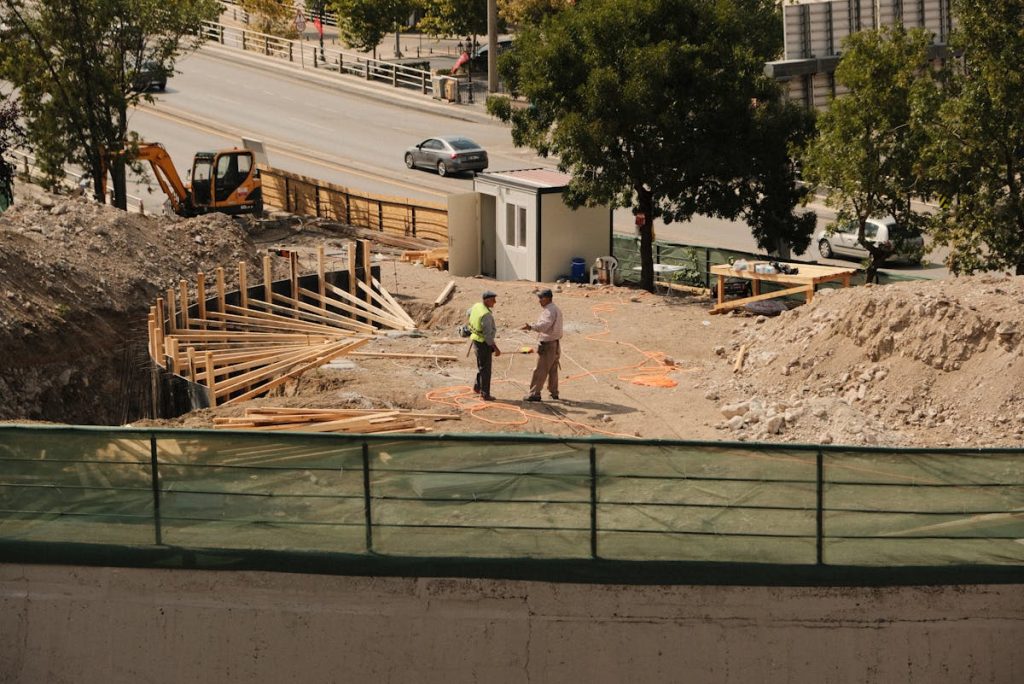
Foundations are the cornerstone of any structure. Without proper care, moisture buildup can lead to costly damage and structural instability. One of the most crucial, yet often overlooked, components in preserving your foundation is an effective underground drainage system. In this article, we will uncover the secrets behind installing and maintaining such a system to guard your property against the dangers of water infiltration.
Understanding the Importance of Underground Drainage for Foundations
Water accumulation near your home’s foundation can be a silent adversary. It causes hydrostatic pressure to build up, leading to cracks, water seepage, and eventual foundation failure. To prevent these issues, an underground drainage system diverts water away from the foundation, maintaining dryness and integrity.
Installing a drainage solution designed specifically for subterranean water management is essential. It protects your home from erosion, mold growth, and expensive repair jobs that arise from neglecting moisture control.
- Moisture control: Keeps soil around your foundation dry.
- Prevents soil erosion: Protects the stability of the ground supporting your home.
- Reduces hydrostatic pressure: Minimizes strain on foundation walls.
- Improves indoor air quality: Reduces the chance of mold and mildew.
It is a proactive investment protecting your property value and your household’s safety. Learn more about waterproofing and related solutions to prevent foundation damage here.
Key Components of an Efficient Underground Drainage System
Understanding the essential parts of a drainage system helps ensure it performs under pressure. Most effective systems comprise several vital elements working harmoniously to direct water away from your home.
First, a perforated drainage pipe collects water pressing against the foundation walls. This pipe is usually surrounded by gravel or drainage aggregate, promoting smooth flow and filtering out debris. The system often terminates in a sump pump or drains into a natural landscape to safely disperse the water.
| Component | Function | Benefit |
|---|---|---|
| Perforated Pipe | Collects and transports water | Prevents water buildup around foundation |
| Gravel/Drainage Aggregate | Filters debris, enables water flow | Enhances drainage efficiency |
| Sump Pump | Pumps out accumulated water | Keeps basement dry and safe |
| Drainage Outlet | Directs water away from home | Protects soil stability and foundation |
Each part plays a vital role in preventing water damage. Understanding this lets you identify when a maintenance check or upgrade could save you money and headaches down the road.
Common Issues and How to Troubleshoot Your Drainage System
Despite careful installation, underground drainage systems may encounter challenges. Recognizing problems early leads to quick fixes and avoids compounding damage.
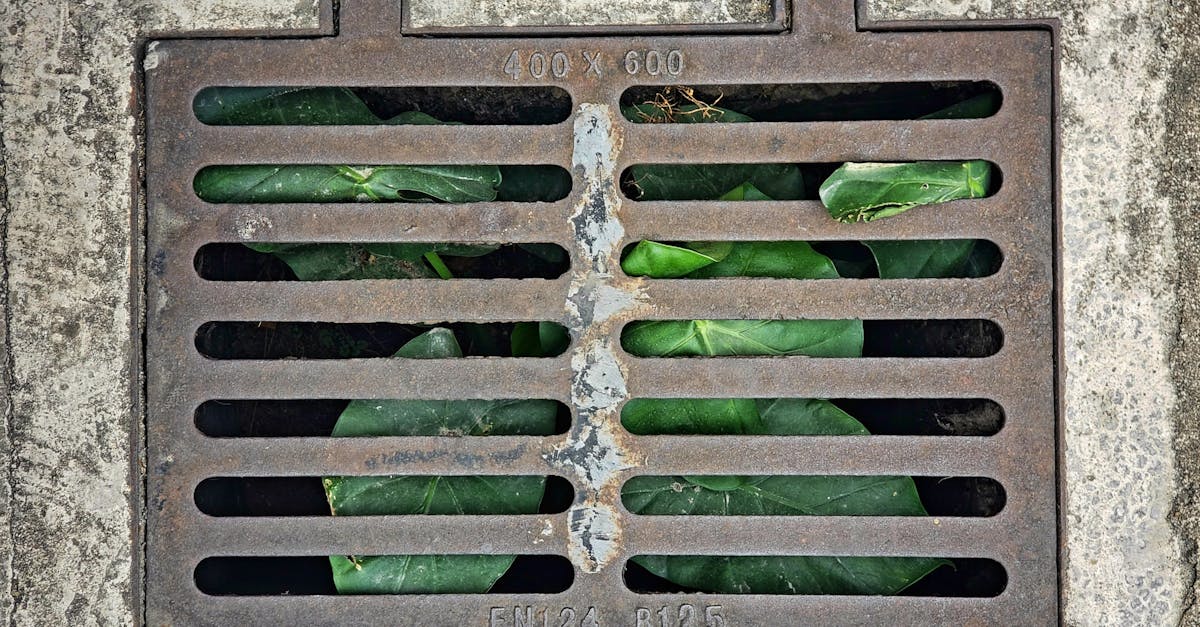
Clogged pipes from soil or roots are a frequent culprit. Sediment buildup restricts water flow, causing pooling around your foundation. Inspecting the gravel filter layer and ensuring regular clearing of the pipe can mitigate this.
Drainage systems can also fail due to improper slope. They must be installed with a slight downward gradient so water moves away naturally. Without correct grading, water may stagnate, ironically worsening the problem.
Sump pumps might malfunction or lose power, leaving your basement vulnerable. Testing regularly and installing battery backups safeguards against such failures.
- Check for blockages in pipes annually.
- Ensure proper slope during installation and monitor soil settlement.
- Maintain sump pumps with routine inspections and backups.
For additional insights on maintaining your property to prevent major repairs, consider reading our guide on property maintenance tips.
Extending Your Foundation’s Life by Complementary Measures
Beyond drainage systems, other preventive strategies safeguard your foundation. Solutions such as slope grading around your home ensure rainwater flows away effectively. Landscaping choices, like avoiding heavy trees near foundations, reduce root intrusion risk.
Periodic roof cleaning is vital too, as gutters and downspouts funnel large volumes of water. Keeping these channels clear ensures water does not overflow near your foundation and exacerbates drainage challenges.
If you notice cracks or deterioration in your driveway or paved surfaces, timely repairs prevent water from seeping underground and stressing the foundation. Asphalt fixes, for example, can be a simple way to address surface cracks and maintain proper water diversion.
Implementing these complementary measures strengthens your foundation’s defense, turning your home into a fortress against moisture damage.
In sum, effective underground drainage systems are indispensable for protecting your foundation from water damage. From understanding critical components like pipes and sump pumps to troubleshooting common issues, these strategies safeguard your home’s stability.
Coupling drainage improvements with roof maintenance, landscaping, and surface repairs amplifies protection efforts, ensuring long-lasting structural health. Don’t let foundation damage sneak up on you, embrace these proactive measures for lasting peace of mind.
Contact a specialized company today to evaluate or install an underground drainage system tailored to your property’s needs. Early action saves costs and preserves the security of your valuable investment.