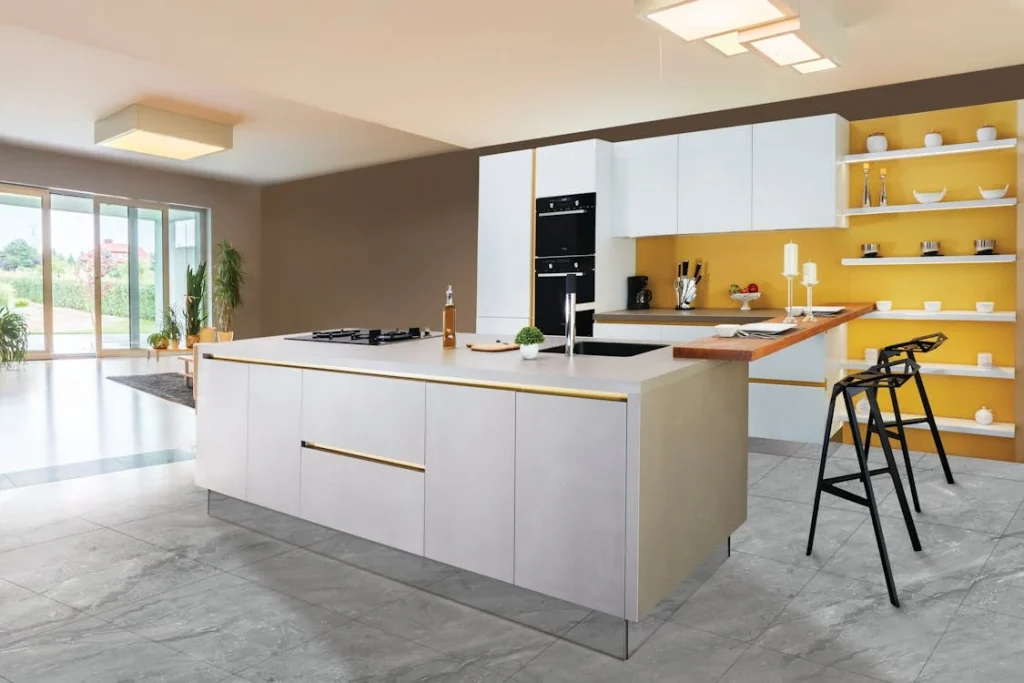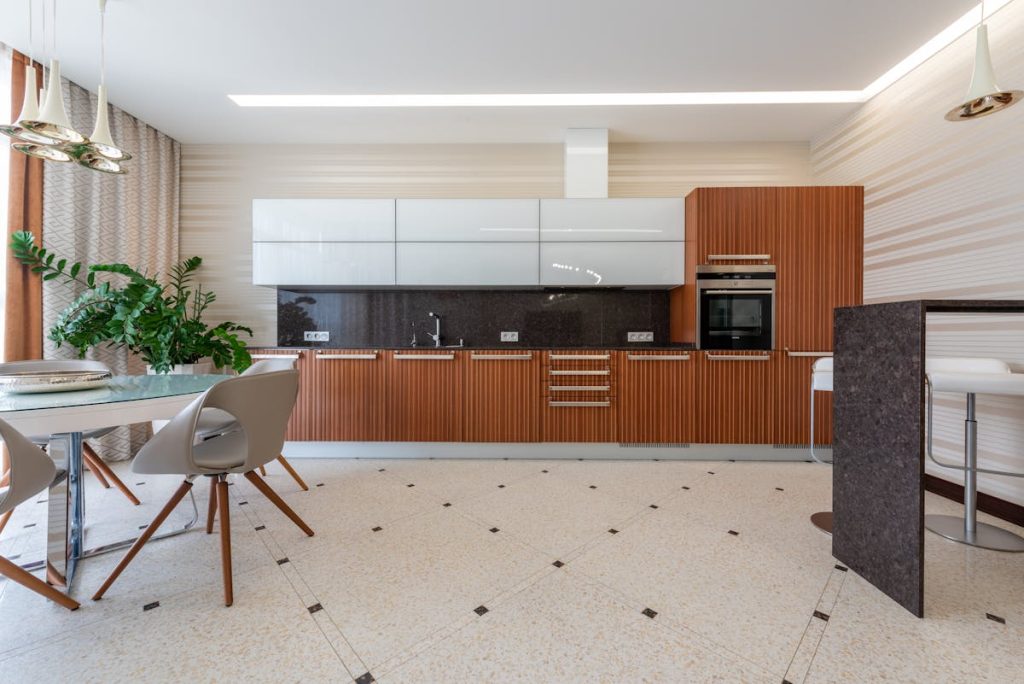
Modern kitchens are evolving fast beyond mere functionality, becoming vibrant hubs where style and utility merge seamlessly. One of the most transformative advancements in kitchen decor is the strategic use of LED strips under kitchen cabinets. These lighting systems do more than brighten the workspace—they enhance the ambiance, amplify architectural details, and improve overall daily usability. By incorporating energy-efficient under cabinet lighting, homeowners can drastically reduce shadows on countertops while adding a warm, inviting glow that elevates their cooking environment. This article explores how thoughtful placement and technology combine to create a spectacular effect with dimmable lights and smart color controls, making your kitchen not just a room but an experience.
Bridging Function and Ambiance with LED Strips Under Kitchen Cabinets
Have you ever noticed how traditional overhead lights often cast frustrating shadows on kitchen counters, especially beneath cabinets? The solution, increasingly popular in 2026 home improvement projects, involves mounting LED strips under kitchen cabinets to provide both effective task lighting and subtle decorative accents. This approach uses low-voltage, energy-efficient lighting strips that not only flush-illuminate food prep areas but also contribute to the room’s aesthetic depth.
Incorporating these strips carefully balances utility and artistry. For example, brighter strips placed closer to the front edge of cabinets offer clear, shadow-free illumination, imperative for safe and efficient cooking tasks. Meanwhile, dimmer lighting positioned near the cabinet wall can create ambient lighting that highlights the backsplash’s texture without being overpowering. This layering of light sources helps define zones within your kitchen, resulting in a more engaging and functional environment.
Why Color Temperature and CRI Matter for Kitchen Cabinet Lighting
The secret to a kitchen that feels both inviting and professional lies in lighting quality. Two technical factors stand out: Color Temperature (CCT) and Color Rendering Index (CRI). Selecting the right color temperature ensures that your kitchen’s light emotionally resonates—warm whites (2700K-3000K) foster comfort and complement natural materials, while cooler whites (4000K-5000K) enhance crispness and concentrate focus. However, the key is a high CRI (90+) to reveal true colors of food and materials, avoiding dull, unnatural appearances.
Poor lighting quality affects how meats, vegetables, and even countertops appear, impacting not just the aesthetic but potentially your cooking precision. Aligning your under cabinet lighting with your overhead bulbs, such as using the recommended Uphoria Pro LED PAR30 bulbs, creates a seamless, consistent look that raises your kitchen’s sophistication.
Creative Applications: Maximizing Impact with LED Strip Lighting in Kitchen Design
Beyond basic countertop illumination, LED strips unlock innovative design possibilities that elevate any kitchen ambiance. Let’s explore seven inspiring placements guaranteed to produce a spectacular effect:
- Toe Kick Lighting: Adding strips along the baseboard creates a floating effect, serving as nighttime guidance without harsh overhead lights.
- Kitchen Island Undercounter Glow: Illuminates seating areas under the island countertop, increasing social warmth and visual allure.
- Backsplash Accent Lighting: Mounted just above or below cabinets, these strips highlight tile texture and backsplash colors through grazing light.
- Inside Glass Cabinets: Lighting showcases your finest dishware, turning storage into an elegant display.
- Pantry and Drawer Interiors: Motion-activated strips improve access and inventory management while adding modern convenience.
- Floating Shelf Edges: Subtle lighting enhances decorative items and adds depth to minimalist kitchens.
- Perimeter Ceiling Lighting: LED strips around the ceiling edge broaden spatial perception and produce an ambient lounge atmosphere.
These applications demonstrate how under cabinet LED strips transcend mere illumination, becoming key players in ambitious design narratives.
Voltage Choices and Installation Best Practices for Dazzling Results
Choosing between 12V and 24V LED systems is a crucial technical decision. For most kitchens, 24V systems are preferable as they efficiently power longer runs (up to 32 feet) without noticeable dimming from voltage drop, simplifying wiring and reducing the number of power supplies needed. These choices directly impact the consistency and intensity of lighting, especially across expansive cabinet lengths.
Installation requires systematic planning. A professional or informed DIYer will map out measurements, calculate total wattage demands (opting for power supplies with 20% overhead), and then decide on connection methods—whether solderless clips for easy setup or soldering for a more durable bond.
| Feature | Task Lighting (Work Mode) | Accent Lighting (Mood Mode) |
|---|---|---|
| Placement | Front edge of cabinet | Rear edge (closest to wall) |
| Brightness (Lumens per foot) | 350+ | 150 – 250 |
| Goal | Shadow-free, clear task visibility | Highlight backsplash texture, create soft ambiance |
| Control | On/Off or bright dimmer | Low dimmer or smart scenes |
Such a structured approach results in lighting that fully supports your kitchen workflow while crafting a cozy atmosphere after hours. For further guidance, detailed installation tutorials such as those found at Xtreme Cables’ installation guide can provide invaluable insights.
Understanding and implementing these technical details ensures your under cabinet lighting looks seamless and professional.
Enhancing Kitchen Experience with Smart LED Strip Technology
The rise of color changing LEDs and smart-controlled lighting has revolutionized kitchen environments. Today, systems offer full RGB color ranges, controlled via smartphone apps or voice assistants, allowing you to shift the mood effortlessly. Imagine energizing your kitchen with vibrant purples for a party or relaxing into a soft blue glow after dinner.
Beyond aesthetics, motion sensor LED strips enhance convenience by illuminating spaces automatically—perfect for pantry shelves or under the cabinet areas when your hands are full.
Moreover, technology now integrates dimmable lights for precise control, helping to conserve energy and tailor brightness to different times of day or tasks. These advancements make your kitchen not only smarter but also more enjoyable to use.