Are you aware that nearly 40% of our time is spent indoors, often in environments that can be filled with harmful pollutants? As we look for ways to improve our living conditions, the importance of indoor air quality has never been more critical. Enter Positive Input Ventilation (PIV) systems—these innovative technologies not only improve the air we breathe but also contribute to energy efficiency, moisture control, and overall health benefits. In this exploration, we’ll unpack how PIV works, the various types available, and the significant advantages it offers for homes and buildings. You’ll discover why PIV is increasingly becoming a go-to solution for healthier indoor environments.
Understanding Positive Input Ventilation Systems
At the core of PIV systems lies their simple yet effective mechanism. These systems work by introducing fresh outdoor air into a building while simultaneously exhausting stale indoor air. This not only enhances indoor air quality by reducing pollutants but also minimizes moisture levels, which can lead to problems such as mold and damp. The filtered air that enters the home helps dilute indoor contaminants, creating a fresher and healthier living environment.
How Positive Input Ventilation Works
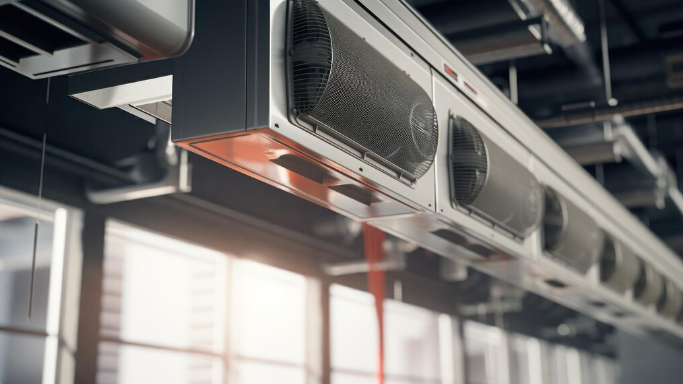
A typical PIV system operates through a structured airflow process. Fresh air is drawn from outside into a unit, where it gets filtered to remove dust and particles before being distributed throughout the home via ducts. Stale air is then expelled from the building, often through outlets in the roof or higher points, creating a balanced airflow that helps maintain optimal conditions indoors.
Key Benefits of Positive Input Ventilation
The advantages of installing a PIV system are manifold, addressing both health and practical considerations:
- Improved Indoor Air Quality: Enhanced ventilation reduces the accumulation of dust, pollen, and volatile organic compounds (VOCs), promoting better respiratory health.
- Damp Reduction: By continuously exchanging air, PIV systems decrease humidity levels, thereby minimizing the risk of mold growth and dampness.
- Energy Efficiency: PIV systems often work in tandem with existing heating and cooling systems, reducing the overall energy consumption by ensuring the HVAC operates more efficiently.
- Health Benefits: Cleaner air can lead to a decrease in allergies, asthma symptoms, and other respiratory issues.
Types of Positive Input Ventilation Systems
Different settings require tailored solutions, and PIV systems come in several forms to meet specific ventilation needs.
| Type | Features | Best For |
|---|---|---|
| Whole-House Systems | Integrates with existing HVAC; enhances airflow across entire home. | Large homes needing comprehensive air quality improvement. |
| Room-Specific Systems | Customized ventilation for individual spaces; ideal for specific air quality needs. | Offices or workshops that deal with chemicals or high dust levels. |
| Hybrid Systems | Combines mechanical and natural ventilation; adjusts based on indoor conditions. | Buildings requiring flexible ventilation to adapt to varying occupancy. |
Design Considerations for a PIV System
Before installing a PIV system, various design factors must be considered for optimal performance:
Building Size and Layout
Larger spaces may require more robust systems, while smaller areas might suffice with simpler setups. Understanding the building layout and existing airflow can dramatically impact the selection.
Climate and Local Regulations
Climate can affect system efficiency. For instance, areas with high humidity might require a different configuration than those in colder climates. Additionally, being aware of local building codes is crucial for compliance and safety.
Installation and Maintenance of PIV Systems
For a PIV system to work efficiently, professional installation and regular maintenance are essential. Installation involves assessing the building’s specific ventilation needs, while maintenance includes cleaning filters and checking components to ensure optimal functionality.
- Perform a pre-installation assessment to determine the required airflow and system size.
- Regularly inspect and clean filters every 1-3 months to prevent blockages.
- Schedule annual professional maintenance checks to avoid potential issues.
Real-World Applications and Success Stories
PIV systems have transformed indoor environments across various settings, from residential homes to commercial spaces. Notable cases include:
In a residential community in the UK, schools equipped with PIV systems reported a significant drop in student absenteeism due to respiratory issues. Similarly, an office building witnessed a marked improvement in employee productivity linked to better air quality after installing a PIV system.
Economics of Positive Input Ventilation
While the initial investment for PIV systems may seem high, the savings in energy costs and the reduction in health-related issues can outweigh the upfront expenses. Over time, these systems can lead to a significant return on investment (ROI), especially when considering ongoing maintenance costs and reduced energy bills.