Balcony gardening has become a cherished way to infuse urban living spaces with greenery and life. Yet, selecting the perfect balcony planter is more complex than it seems: the choice of planter materials and planter styles greatly impacts plant health, maintenance ease, and overall garden aesthetics. From the cozy alcoves in high-rise apartments to spacious terraces, your selection must balance weather resilience, weight constraints, and design coherence. This article unpacks fundamental considerations for picking the ideal balcony planter, explores how different plant containers suit diverse plants and spaces, and offers a detailed material comparison to guide your choices toward creating a thriving, stylish outdoor haven.
Understanding Balcony Size and Layout for Optimal Planter Selection
Every balcony presents a unique challenge due to its dimensions and shape. Successful balcony gardening begins by accurately measuring your balcony’s floor space, railing width, and available walls. This approach ensures each chosen outdoor planter fits comfortably without impeding movement.
For example, narrow balconies benefit from tall, slim planters that capitalize on vertical space without intruding on walkways. The Antique Blue Tall Ceramic Vines Planter is ideal here, as it adds greenery while preserving flow. Corners, often neglected, can house triangular or curved planters, turning unused angles into verdant highlights without causing clutter.
Spacious balconies allow more freedom, where broader planters serve as visual anchors and provide ample root space for larger plants or dwarf trees. Adapting the planter shape to balcony layout enables a balanced, intentional garden arrangement.
Maximizing space with vertical and horizontal setups
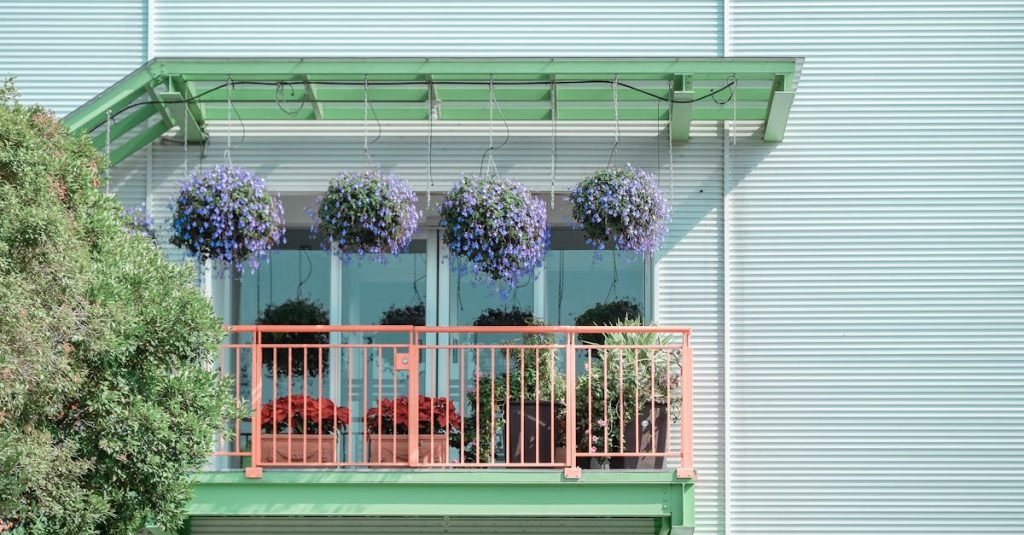
Smart use of vertical space transforms small balconies into lush oases. Railing and hanging planters make excellent use of limited floor area. These planters thrive with herbs, trailing flowers, and compact vegetables. When installing, ensure robust support with secure brackets to withstand winds.
Tiered planter systems or vertical shelving allow multiple plants within the same footprint, creating layered visual interest and maximizing greenery. Mobile planters on wheels add adaptability, enabling repositioning for sun exposure or weather protection, and ease of cleaning.
Selecting Balcony Planters Based on Plant Types for Healthier Growth
Matching your planter choice to the specific plant types ensures better health and aesthetics. Shallow, wide containers work excellently for herbs like basil or parsley, providing ample surface area without excessive depth. Wide bowls, such as the Antique Blue Wide Round Succulent Bowl, allow grouping plants conveniently for easy harvesting.
In contrast, vegetable growers need deeper planters for root development. Tomato and pepper plants require containers with sufficient soil depth to support maturation. For flowering plants such as petunias or geraniums, prioritizing drainage is essential to prevent root rot. Drainage holes combined with saucers help excess water escape while protecting surfaces.
Small trees and shrubs demand bulky, fortified planters with reinforced bases or thick walls. These containers sustain heavier root systems and provide height and structure, transforming a balcony into a green retreat reminiscent of an outdoor room.
Key planter attributes based on plant needs:
- Herbs: Shallow, wide planters to spread roots laterally.
- Vegetables: Deep planters with good drainage and nutrient retention.
- Flowering plants: Medium depth with strong drainage, color-coordinated pots to enhance bloom colors.
- Small trees/shrubs: Large, sturdy containers ensuring stability and root insulation.
Material Comparison: Finding Durable and Functional Planter Materials
The choice of planter materials critically affects the weight, durability, insulation, and maintenance of plant containers, especially in exposed balcony environments.
| Material | Durability | Weight | Maintenance | Best Uses |
|---|---|---|---|---|
| Fiberglass | Excellent resistance to cracking, fading, and weather impacts | Lightweight, even in large sizes | Low – occasional wiping with mild soap and water | Commercial balconies, rooftop gardens, large indoor/outdoor planters |
| Metal (Aluminum/Steel) | Strong, resistant to impacts and corrosion when powder-coated | Moderate to heavy, especially in steel and larger sizes | Low – gentle cleaning, occasional finish maintenance | Modern architectural settings, heavy-use patios |
| Resin/Plastic | Good weather resistance and flexibility | Very lightweight | Very low – quick cleaning removes most stains | Temporary setups, budget-conscious choices, lightweight portability |
| Ceramic/Terracotta | Natural aesthetics; ceramic holds moisture better than terracotta | Heavier, fragile in freeze-thaw zones | Moderate – needs careful handling, terracotta requires frequent watering | Decorative patios, mild climate balconies |
| Wood | Good insulation, natural appeal | Moderate | Regular sealing necessary to prevent rot | Rustic/coastal aesthetics |
Fiberglass planters currently dominate commercial and upscale residential use due to their unparalleled blend of durability, lightness, and design versatility. They are especially practical on balconies with weight limitations and often outperform traditional stone or concrete in ease of care.
Why material choice matters in balcony gardening
A metal planter, while visually striking, can heat up significantly under direct sun, risking root stress. Adding liners or positioning in partial shade can mitigate this. Resin’s flexibility resists cracking where freeze-thaw cycles occur, making it suitable for fluctuating climates.
Natural materials exude charm but require extra maintenance. Ceramic pots infuse color and texture into garden decor but can crack if exposed to severe cold. Wood offers warmth but demands regular treatment to remain resistant to moisture.