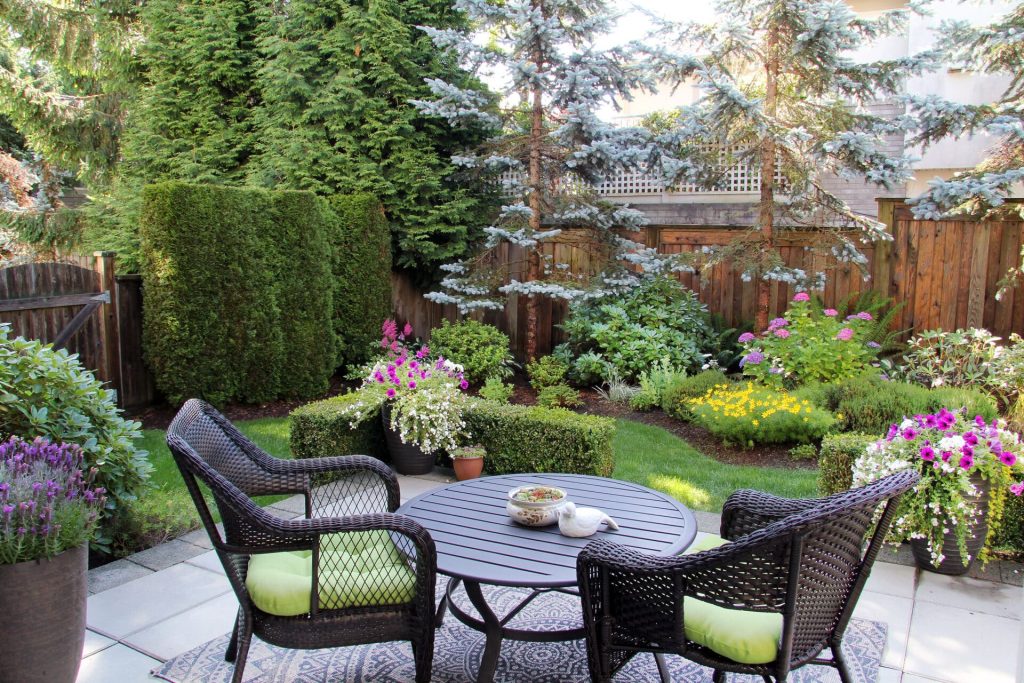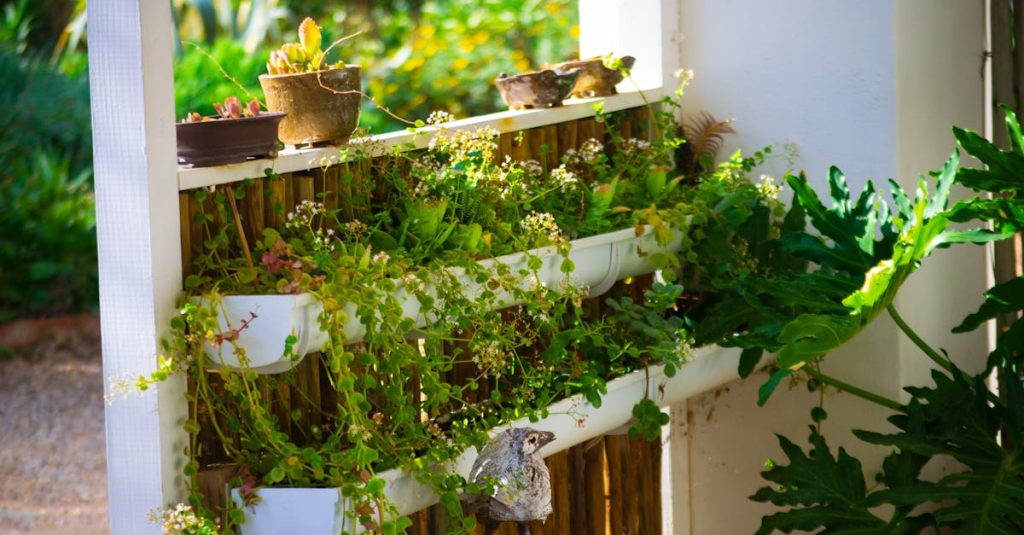
Creating a year-round vertical garden that thrives through all seasons is an art that combines strategic plant selection with smart design. Vertical gardening not only saves space but also transforms walls and fences into lush, living landscapes. However, the challenge lies in choosing plants that offer continuous color, texture, and resilience against changing weather. Achieving a vibrant, sustainable vertical garden means blending evergreen varieties with shade-tolerant species, incorporating dynamic succulents, and selecting hardy perennials and climbing plants that together sustain year-round interest.
Key Criteria for Selecting Plants for a Year-Round Vertical Garden
When designing a vertical garden intended to captivate throughout the year, certain plant characteristics become non-negotiable. The unique growing conditions—limited soil volume, elevated exposure, and sometimes harsh microclimates—mean you must prioritize resilience and adaptability.
Hardiness and Climate Compatibility
Plants must be hardy enough to withstand local climatic conditions, including cold winters or hot summers. A practical rule is selecting plants hardy at least two USDA zones below your location. However, microclimate factors like sun exposure and wind patterns on your wall can influence survival more than you’d expect. For example, in milder zones, plants typically considered tender might overwinter with proper care.
Evergreen and Seasonal Interest
Evergreens provide the structural backbone of a vertical garden during dormant seasons by maintaining foliage all year. Consider species like evergreen climbing plants such as English ivy or star jasmine, which create dense coverage and form a green canvas, especially during winter when deciduous plants recede.
Drought Resistance and Shade Tolerance
Given vertical gardens often dry out faster, incorporate drought-resistant plants such as succulents (e.g., hens-and-chicks, sedum varieties), which store water in their leaves. Additionally, choose shade-tolerant species if your vertical space has varying sunlight exposure, ensuring that less illuminated sections remain lush and vibrant, enhancing overall garden balance.
Top Plants to Incorporate for Year-Round Vertical Garden Success
Among the vast array of plants suited for vertical gardens, certain species consistently outperform by offering vivid texture, color, and resilience.
Evergreen Climbers and Woody Shrubs
- English Ivy (Hedera helix): Robust, fast-growing climber, excellent for year-round coverage and easy maintenance.
- Star Jasmine (Trachelospermum jasminoides): Fragrant evergreen with dense foliage and white flowers in spring.
- ‘Green Mountain’ Boxwood: A compact shrub that retains deep green leaves all year and is ideal for structured vertical elements.
Succulents and Drought-Tolerant Plants
- Sedum (‘Fuldaglut’): Bronze-red foliage with cerise summer blooms; thrives in full sun and minimal watering.
- Hens-and-Chicks (Sempervivum): Hardy rosettes perfect for crevices in walls and shallow soils.
Perennials and Shade-Tolerant Plants
- Heucheras: Modest height, with often colorful leaves providing contrast; prefers shaded to semi-shade locations.
- Bergenia: Large, glossy leaves that turn burgundy in fall; reliable in containers and vertical setups.
Climbing Plants for Seasonal Color
- Japanese Pieris (Pieris japonica): Evergreen shrub with striking red to salmon new growth and winter flower buds.
- Golden Creeping Jenny (Lysimachia nummularia ‘Aurea’): Cascading, golden foliage that brightens a wall’s edge.
| Characteristic | Evergreen Climbers | Succulents | Perennials & Shade-Tolerant |
|---|---|---|---|
| Water Needs | Moderate, regular watering | Low, drought-resistant | Moderate, prefers consistent soil moisture |
| Sunlight | Full sun to partial shade | Full sun | Partial to full shade |
| Growth Habit | Climbing or sprawling | Compact, rosette | Clumping or spreading |
| Maintenance | Low to moderate; prune to control size | Very low; drought-tolerant | Low; deadheading blooms recommended |
| Year-Round Interest | Yes, retains leaves all year | Yes, with color changes in leaves and flowers | Yes, due to foliage and seasonal blooms |
Combining these plants ensures your vertical garden remains vibrant through all four seasons. This detailed guide offers further inspiration for integrating these species in container-based vertical designs.
Practical Tips to Maintain Your Vertical Garden Throughout the Year
Creating a striking year-round vertical garden requires more than just choosing the right plants; maintenance plays a crucial role in plant health and visual appeal.
Choosing Suitable Containers and Soil
Select frostproof containers with drainage holes made from durable materials like fiberglass or heavy plastic to protect roots during colder months. Use a high-quality potting mix formulated for containers, ensuring good aeration and moisture retention without waterlogging roots.
Watering and Feeding Strategies
Vertical gardens dry out faster. Water as needed until soil freezes in winter, but avoid watering frozen pots. Stop fertilizing six to eight weeks before the first frost to prevent tender new growth vulnerable to cold damage. Resume feeding when active growth restarts in spring.
Protection Against Harsh Weather
Apply anti-desiccants like Wilt-Pruf to broadleaf evergreens to shield leaves from drying winter winds. Rotate containers periodically to balance light exposure and prevent bare growth on shaded sides.
Repotting and Pruning
Repot plants every three years to avoid root-bound conditions and refresh soil nutrients. Prune strategically to maintain shape, promote air circulation, and remove dead foliage for a tidy appearance.
These methods ease the challenge of maintaining a dense, lively vertical garden year-round while reducing the risk of plant stress or dieback.
Exploring more about efficient vertical garden maintenance can provide valuable techniques and care routines crucial for success.
Discover expert recommendations for the best plant varieties designed specifically for vertical gardening environments, with attention to space-saving and seasonal durability.