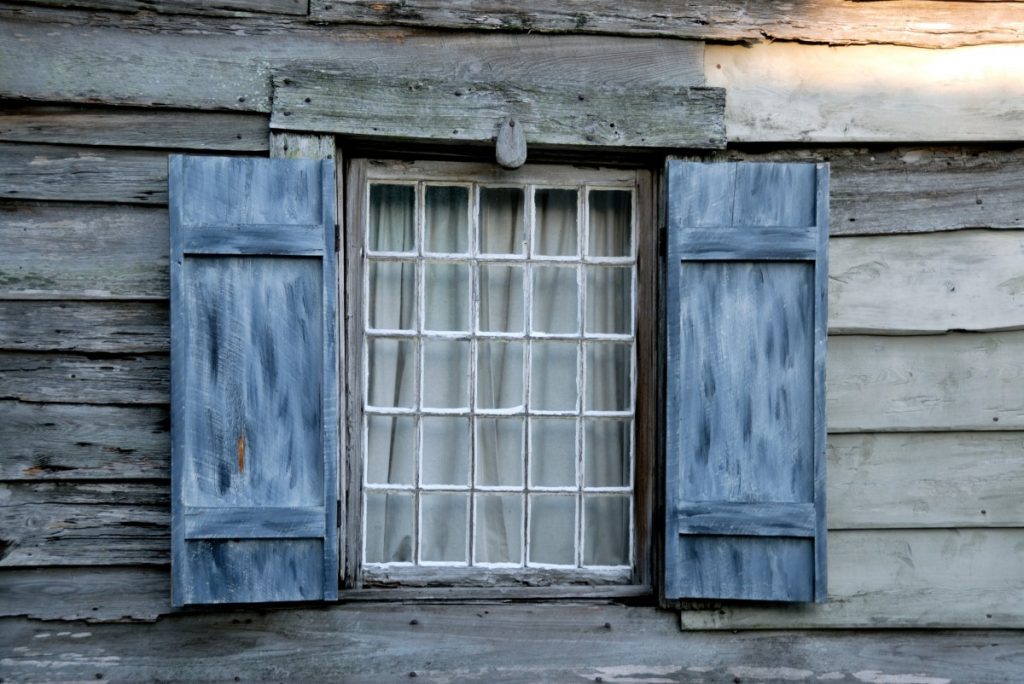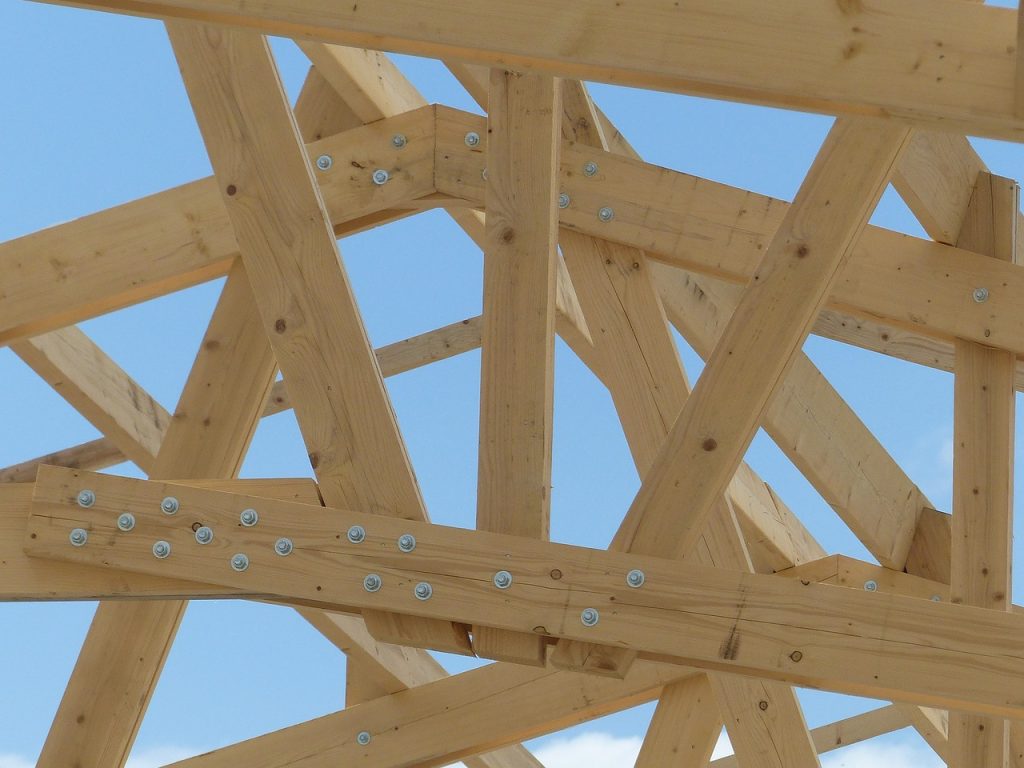
Wooden frameworks are integral to the structural integrity of many buildings, yet they are often overlooked when it comes to maintenance and inspection. According to recent studies, over 45% of homeowners in the U.S. face issues related to wood decay and termite damage, highlighting the importance of proactive care. Ignoring aging signs not only risks costly repairs but can also compromise safety. Recognizing and addressing these signs early can save homeowners from significant expenses and ensure their wooden structures remain robust and reliable.
Understanding the Aging Signs of Wooden Frameworks
The wooden frameworks that support buildings can reveal a lot about their health through subtle yet telling signs. Recognizing these signs is imperative for preventing further damage and ensuring the longevity of your home.
Common Indicators of Wear
Several aging signs should trigger immediate attention:
- Cracks and Splits: Visible cracks in beams or columns indicate stress or decay.
- Wood Rot: Often found in damp areas, wood rot compromises the integrity of frameworks.
- Termite Damage: Evidence of termites can appear as small holes or sawdust near wooden structures.
- Moisture Exposure: Continual exposure to moisture leads to decay and fosters mold growth.
The Impact of Neglecting These Signs
When these aging signs are overlooked, the consequences can be dire. Structural weaknesses can lead to expensive repairs and safety hazards, making regular inspection crucial. Homeowners should not wait until problems become visible; proactive maintenance is key.
Steps for Effective Maintenance and Inspection
To prevent deterioration of your wooden frameworks, follow these essential maintenance steps:
- Conduct regular inspections, especially after severe weather.
- Address moisture issues promptly, such as repairing leaking roofs and gutters.
- Use protective coatings and finishes to shield wood from moisture and UV damage.
- Remove any wood debris near foundations to minimize pest attraction.
Tools and Techniques for Inspection
Utilizing the right tools can make inspections more effective:
| Tool | Purpose | Recommendation |
|---|---|---|
| Moisture Meter | Measures wood moisture levels | Use regularly for proactive checks |
| Hand Saw | Tests the integrity of wood | Look for soft or crumbly wood |
| Flashlight | Illuminates dark areas | Essential for thorough inspections |
Recognizing and Addressing Wood Decay
Wood decay can occur without visible signs initially, making it crucial to familiarize yourself with its symptoms. Regular inspections and swift action can mitigate further damage.

Decay Prevention Techniques
Implement the following strategies to protect wooden frameworks:
- Timely Repairs: Fix any leaks or water damage immediately.
- Ventilation: Improve airflow in attics and crawl spaces to reduce moisture buildup.
- Pest Control: Regularly check for termite activity and invest in preventative treatments.
Preparing for Professional Inspections
While homeowners can conduct inspections, hiring a professional can provide a thorough examination of your wooden frameworks. Professionals use advanced techniques to detect hidden issues that may go unnoticed during a routine check.
What are the common signs of aging in wooden frameworks?
Look for cracks and splits, wood rot, and signs of termite damage.
How can moisture exposure damage wood?
Moisture leads to wood decay and mold growth, compromising structural integrity.
What should be included in a wooden framework maintenance checklist?
Include regular inspections, timely repairs, and pest control.
How often should I inspect my wooden frameworks?
It is advisable to inspect them at least twice a year, especially after severe weather.
What is the best way to treat wood rot?
The best way is to remove rotten wood and apply a wood preservative to prevent further decay.