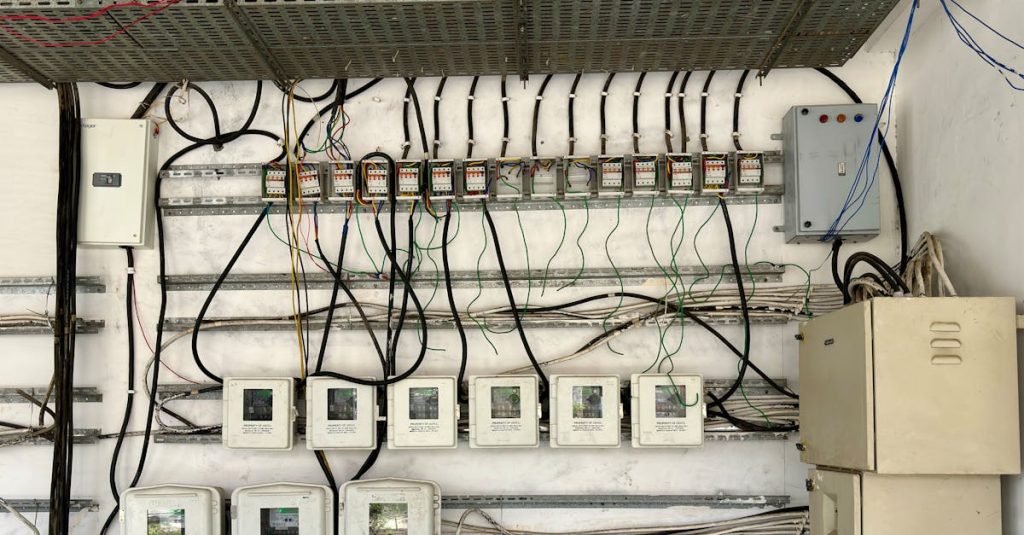
Nothing is more frustrating than flipping the circuit breaker and finding it trips again shortly after. Understanding why your circuit breaker keeps tripping is essential to maintaining a safe and reliable electrical system. Let’s delve into what might be behind this common issue and how to address it properly.
Identify the patterns behind frequent trips
Recognizing the circumstances under which your breaker trips can provide valuable clues about the underlying problem. Many electrical issues are linked to specific scenarios that, once understood, can lead to effective solutions for your electrical issues.
Discover the different trip behaviors and their meanings
Understanding how and when your breaker trips helps narrow down the cause, whether it’s an overload, short circuit, or another fault. The trip pattern often indicates the type of problem present:
- Immediate trips upon resetting may suggest a hard short circuit or ground fault in the wiring or appliance.
- Trips after a period of normal operation typically point to an overload condition or thermal issue within the breaker.
- Intermittent trips linked with specific appliances or activities often relate to faulty equipment or wiring connections.
Mastering this pattern recognition facilitates a faster diagnosis process and helps prevent unnecessary resets that can cause further damage.
Uncover the cause behind recurrent trips
The core of the problem often resides in one of several root causes, each demanding a tailored approach to resolve. Here, we’ll explore the most common culprits behind continuous circuit breaker trips, ensuring you can take informed action.
Identify overloaded circuits
An overloaded circuit occurs when the total power drawn by connected devices exceeds what the breaker is rated for. Overloads are the most typical reason for repeated trips, especially in residential settings where multiple appliances often share the same circuit.
Understanding the impact of high-wattage devices is essential for proper load management. For example:
- Power-hungry appliances like space heaters or microwave ovens can easily overload a 15-amp circuit if used simultaneously.
- Several devices plugged into a single outlet strip may cause sustained overloads that trip the breaker repeatedly.
- Inadequate circuit design or aging wiring can also lead to frequent overloads.
To fix this, calculate the total load of devices and redistribute them across multiple circuits or upgrade the panel to handle bigger loads.
Recognize short circuits and their danger
Short circuits happen when a hot (live) wire contacts a neutral or ground wire, creating a low-resistance path that causes a surge of current. This immediate trip signals a direct fault needing urgent attention, as it poses significant fire risks.
Key signs include:
- Instantaneous tripping upon powering an outlet or appliance.
- Visible signs like burnt marks or a burning smell near outlets or switches.
- Breaker trips even with no devices connected, indicating a wiring fault.
Common causes are damaged insulation, loose connections, or faulty appliances. Always call a licensed electrician if a short circuit is suspected to minimize the risk of electrical fires.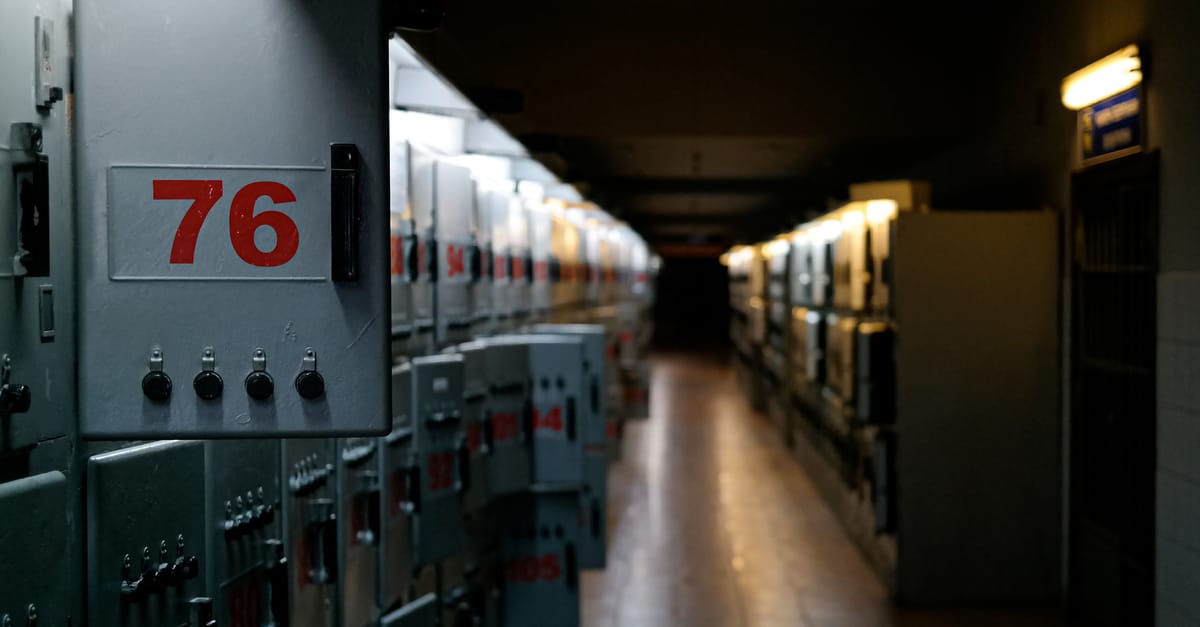
Spot the signs of ground faults
A ground fault arises when a live wire inadvertently contacts a grounded surface, creating a leakage current that can lead to electric shocks. Ground faults often trip GFCI outlets but can also cause regular breakers to turn off.
Indicators include:
- Frequent trips in areas with water or high humidity, like bathrooms or kitchens.
- Tripping during the use of appliances with heating elements or power tools.
- Visible moisture or corrosion at outlets or switches.
Addressing ground faults requires inspecting wiring and appliances for damage. GFCI protection was explicitly designed to detect and prevent dangerous leakage currents, protecting both property and life.
Address arc faults and the hazards involved
Arc faults occur when a spark jumps across damaged or loose wiring, creating a significant fire risk. AFCI breakers provide a vital line of defense by detecting arcing signatures that standard breakers might miss. Recognizing the signs that point to arc faults can prevent disastrous outcomes.
Detect the symptoms of arc faults
Indicators such as:
- Breaker trips sporadically in circuits with AFCI protection.
- Occasional flickering or buzzing lights that seem abnormal.
- A faint smell of burning without evident fire.
These symptoms often suggest internal wiring damage or deterioration, which should be evaluated by an electrician to prevent house fires. Early detection and repair are vital for safety.
Consider the impact of loose connections and aging components
Often overlooked, loose wiring connections and worn-out breakers can generate heat, leading to repeated trips and potential hazards. Regular inspection and maintenance are necessary to keep your electrical system safe and functional.
In cases where you face persistent or complex electrical issues, collaborating with a professional electrician ensures safety and a long-lasting solution. Avoid the temptation to ignore repeated trip warnings—they are signs of underlying problems that need expert intervention.