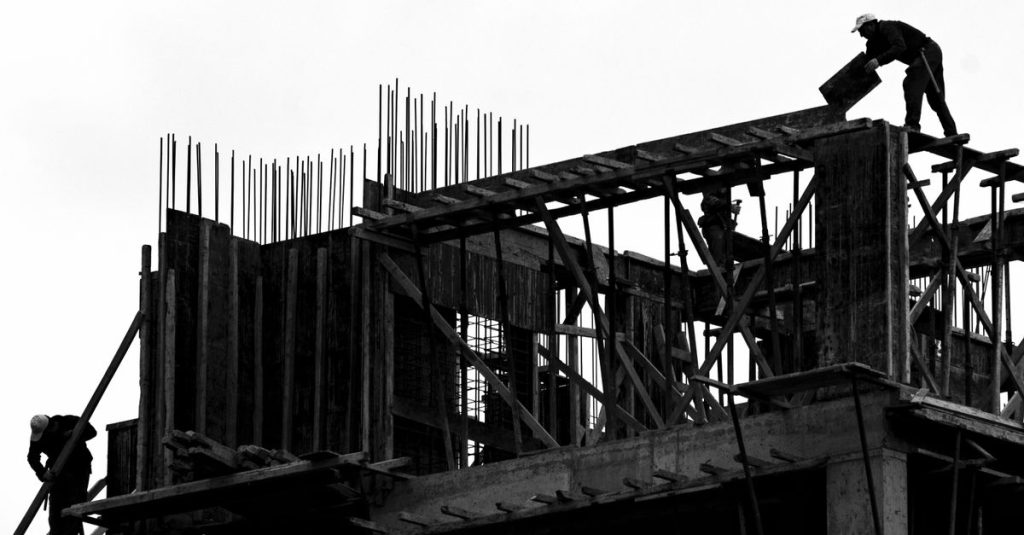
The journey of a construction project begins long before the first shovel strikes the ground. With numerous potential challenges lurking in the shadows, recognizing construction risks early can make all the difference. These proactive measures set the stage for a smooth and successful project execution.
Understand Key Construction Risks
Before diving into risk management, it’s essential to understand the key facets of construction risks that project managers and stakeholders face. Awareness of these risks helps in developing targeted strategies for their mitigation.
Identify Financial Risks
Financial risks pose serious threats to any construction project, demanding careful attention. Various factors contribute to these risks, which include:
- Unexpected material cost changes: Fluctuations in market prices can impact budgeting dramatically.
- Labor shortages: Inadequate workforce availability can cause delays and subsequent budget overruns.
- Inaccurate budget estimations: Faulty initial assessments can lead to financial strain once the construction phase begins.
Grasping these elements allows project managers to adopt effective financial safeguards throughout the pre-construction phase, setting clear cost projections and avoiding those unexpected pitfalls.
Pinpoint Operational Risks
Operational risks often arise from inadequate resource allocation and misalignment of project schedules. Various factors contribute to operational risks, including:
- Insufficient resource management: Inability to allocate resources optimally can result in delays.
- Poor communication: Lack of coordination among stakeholders can exacerbate operational challenges.
- Unrealistic timelines: Overly ambitious schedules can lead to project setbacks.
Addressing these operational challenges early enables project managers to implement structured plans, ensuring communication and resource alignment to keep everything on track.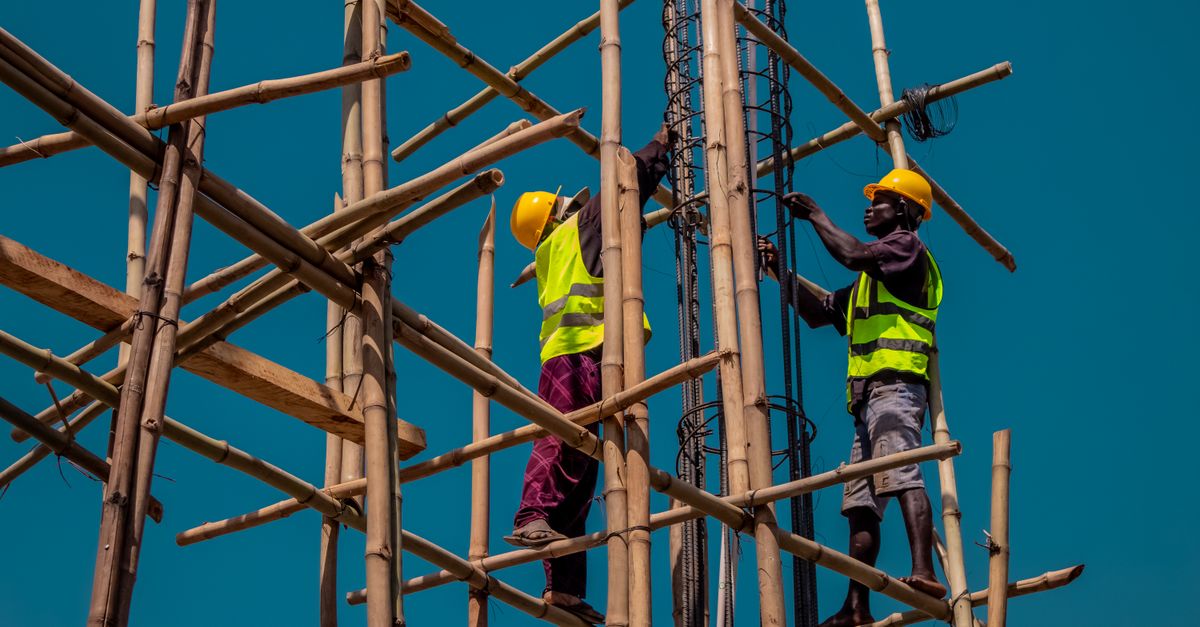
Recognize Compliance Risks
Compliance risks demand special attention, particularly in a regulatory-heavy environment. These risks cover multiple aspects, characterized by:
- Legal regulations: Strict adherence to laws and regulations is mandatory for project progression.
- Building codes: Violation of local construction codes can lead to delays, fines, or project abandonment.
- Environmental regulations: Non-compliance can invite legal consequences and community backlash.
To mitigate compliance risks, engaging legal and environmental experts during the pre-construction phase serves to ensure all regulatory requirements are met well in advance of project commencement. Thus, potential disputes can be avoided.
Implement Effective Risk Management Strategies
Once you’re equipped with the knowledge of construction risks, it’s time to implement effective risk management strategies. These strategies involve thorough preparation and collaboration among all stakeholders.
Conduct Comprehensive Risk Assessments
Engaging in risk assessments is vital for a thorough understanding of any risks that may impact the construction project. This process entails:
- A detailed review of project specifics to foresee potential challenges: Each project is unique, and identifying characteristic risks is critical.
- Involving a multidisciplinary team: Including experts from diverse fields enhances risk identification.
- Leveraging past project data: Historical insights help project managers avoid prior mistakes.
By combining these assessments with current project data, managers can create a well-informed risk profile that guides the project smoothly through the pre-construction phase.
Leverage Advanced Technology
Today’s technology offers numerous tools that can significantly enhance risk management processes. By using construction management software, project teams can:
- Monitor budgets in real-time: Keeping a close eye on expenses helps in preventing overruns.
- Facilitate communication: Integrated platforms allow team members to collaborate effectively.
- Centralize documentation: A digital record of all compliance checks and permits provides easy access during audits.
Incorporating technological solutions simplifies the risk management framework, allowing project managers to focus on variables that impact project success.
Create a Robust Risk Management Plan
To ensure ongoing vigilance, developing a detailed risk management plan lays the groundwork for identifying and addressing risks before they affect the project. Essential elements of an effective plan include:
- Structured templates: Organize risk data, budgets, and resources for clarity.
- Regular updates and monitoring: Maintaining flexibility in the plan allows for adjustments based on ongoing developments.
- Clear communication with stakeholders: Consistent updates keep all parties informed and engaged.
This proactive approach not only strengthens project resilience but fosters a culture of awareness and adaptability among team members.
Encourage Continuous Improvement
Risks cannot always be eliminated but can certainly be managed through ongoing learning. To enhance construction risk identification processes over time, projects should:
- Document lessons learned: Reviewing outcomes helps future projects mitigate recurring issues.
- Engage stakeholders throughout the process: Seek feedback to refine strategies and approaches continuously.
- Stay updated on industry standards and regulations: Knowledge of emerging trends ensures adherence to best practices.
Consult a construction expert to tailor these strategies specifically for your needs and achieve a more successful project. For assistance with effective construction management practices, explore how Goodison Surveying can help streamline your projects and minimize risks.