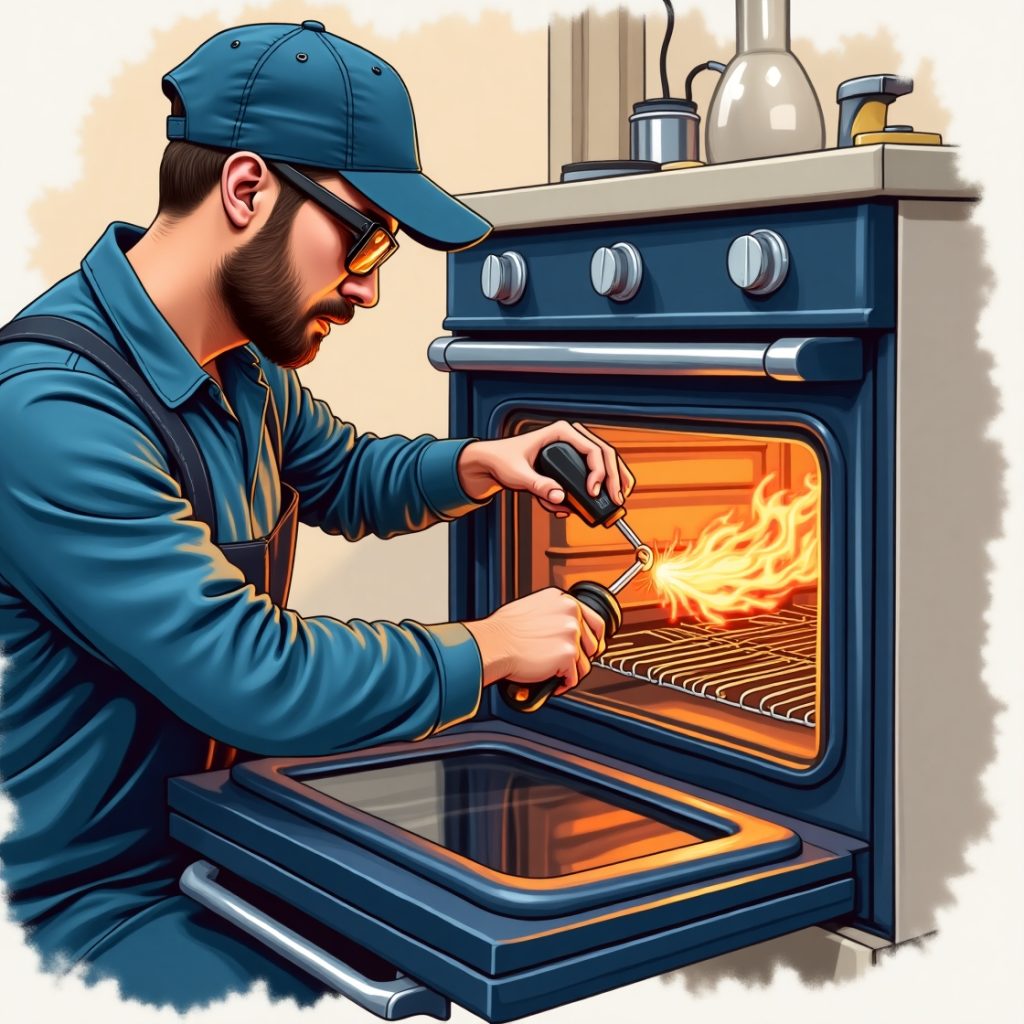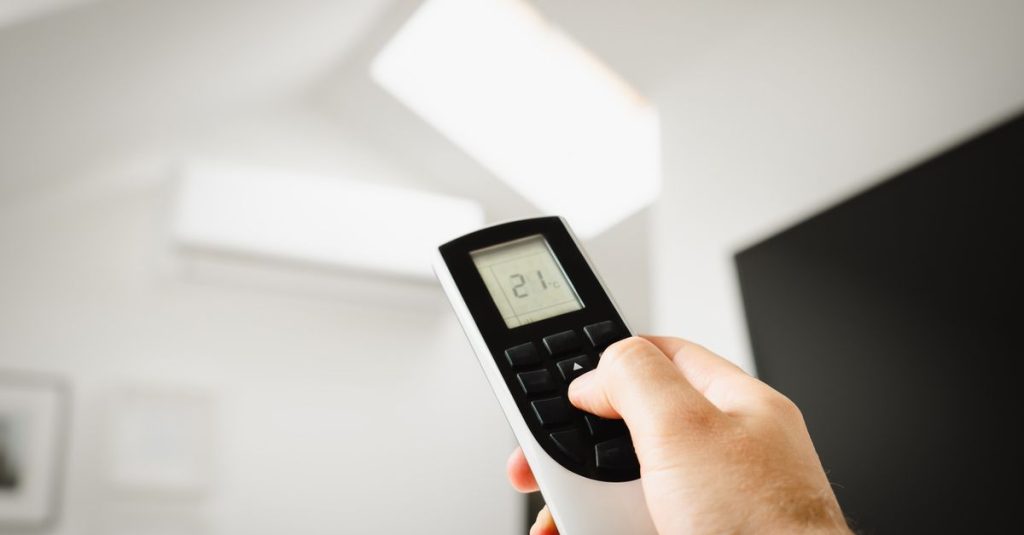
Regular maintenance of your air conditioning system is a foundational step toward improving cooling efficiency without replacing it. A few focused actions can significantly elevate its performance.
Clean or Replace Air Filters Regularly
One major aspect of maintenance involves attending to the air filters. Clogged filters restrict airflow, making the system work significantly harder. Aim to check the air filters monthly, especially during peak usage periods, and replace or clean them as needed to maintain optimal airflow.
Schedule Routine Professional Maintenance
Booking professional maintenance can identify potential issues before they escalate. Having a certified technician perform an annual inspection ensures that all inner workings of your AC unit are clean and functioning correctly. Tasks like checking refrigerant levels and lubricating moving parts can greatly enhance system efficiency.
Clear the Outdoor Unit of Debris
The outdoor condensing unit requires proper airflow for effective operation. Ensure it remains unobstructed by leaves, dirt, or surrounding vegetation. Regularly removing debris allows for optimal heat exchange, ultimately maintaining a cooler home.
Boost Airflow and Insulation
Improving airflow and enhancing insulation are two significant ways to maximize your air conditioner’s performance without a costly replacement.
Ensure Balanced Air Vents
The balance of airflow throughout your home plays a vital role in cooling. Closed or blocked vents can create hot spots and strain the AC system. Regularly inspect and adjust vents, ensuring all are open and unobstructed for even airflow distribution.
Inspect and Seal Ductwork
Leaky ducts can result in cooled air escaping before it reaches your desired rooms. Identifying and sealing any duct leaks prevents this energy loss, making a significant difference in overall comfort levels. Consulting a professional to assess your ductwork can provide long-term benefits.
Upgrade Home Insulation
Insulation serves as a barrier that helps keep conditioned air inside your home. Upgrading your attic insulation can drastically reduce heat transfer, thus making your air conditioner work less. Invest in materials that contribute to higher R-values, ensuring better thermal performance.
Utilize Thermostat Wisely
Making informed thermostat adjustments is an effective way to enhance cooling efficiency. Proper settings can significantly impact both comfort and energy consumption.
Set a Higher Thermostat Temperature
Setting your thermostat to a slightly higher temperature can lessen the workload on your AC unit. The Department of Energy suggests a general range of 75-78°F during the day, allowing your system to maintain comfort without excessive energy use.
Incorporate Programmable Thermostats
A programmable thermostat automates cooling adjustments based on your schedule. This smart home upgrade allows you to set temperatures automatically for various times of the day, ensuring energy efficiency during times when your home is unoccupied.
Monitor Temperature Changes Regularly
Keeping an eye on your indoor and outdoor temperatures ensures that you can make timely adjustments. If the AC unit seems to be running too frequently or not cooling properly, it may be indicative of a more significant issue that requires professional investigation.
Manage Outdoor Heat Gain
Mitigating outdoor heat gain can heavily influence how efficiently your air conditioning system operates, reducing stress on your unit.
Close Curtains and Blinds During Peak Hours
Keeping curtains and blinds shut during the hottest parts of the day prevents excessive sunlight from penetrating your home. By blocking solar heat, you can maintain cooler indoor temperatures and reduce the energy your AC expends in cooling.
Utilize Ceiling Fans to Circulate Air
Ceiling fans create a wind-chill effect, enhancing comfort levels without forcing the cooling system to work harder. Even remotely operating fans can help regulate room temperatures more efficiently.
Optimize Appliance Usage
When possible, limit the usage of heat-generating appliances like ovens and dryers during peak heat hours. Cooking outdoors or using appliances later in the day can help maintain a cooler environment and ease the demands on your air conditioning system.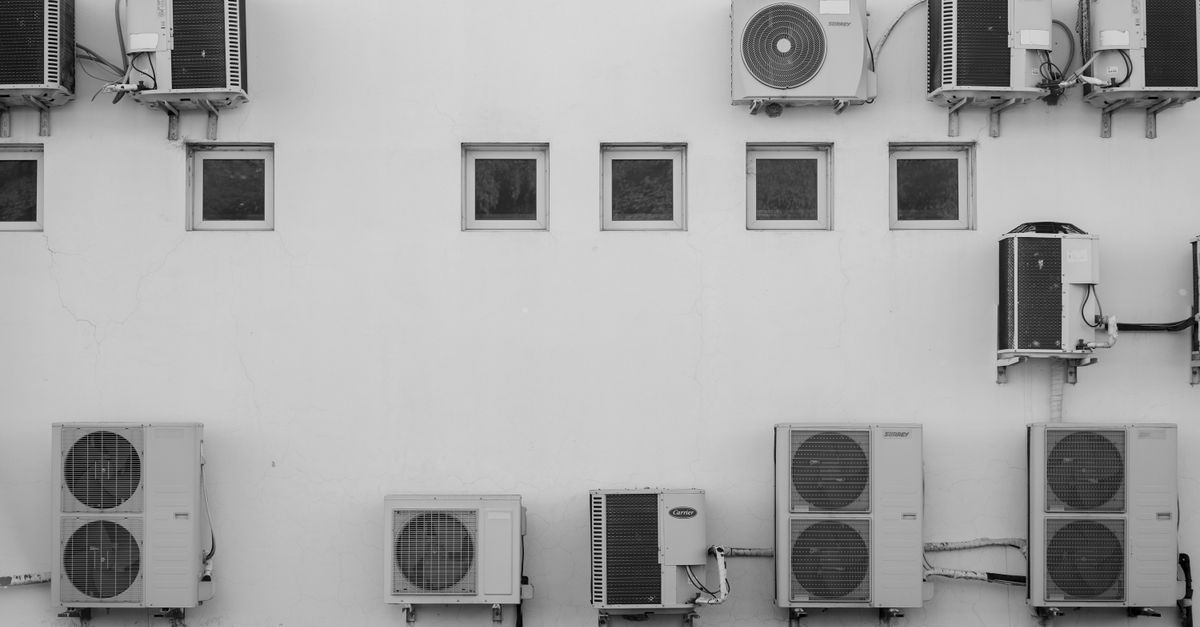
Take Action Against Humidity
High humidity can quickly undermine the effectiveness of your air conditioning system. Implementing strategies to control moisture levels can significantly enhance cooling efficiency.
Utilize Exhaust Fans in High-Moisture Areas
Implement exhaust fans in bathrooms and kitchens to remove excess humidity generated by showers, cooking, or dishwashing. Usage of these fans helps combat stale and humid air, preventing excessive strain on the cooling system.
Consider Whole-Home Dehumidifiers
If humidity remains high, a whole-home dehumidifier can assist your air conditioning system in efficiently managing moisture levels. This upgrade enhances indoor comfort while allowing your unit to operate without overworking itself, preserving your current air conditioning system.
Ensure Proper Drainage
Regularly clear any drainage lines to avoid standing water, which may lead to increased humidity levels. A year-round approach to system care will amplify your AC’s efficiency and improve indoor air quality.
Improving cooling efficiency without replacing your entire system is both achievable and beneficial. By focusing on maintenance, enhancing airflow, utilizing thermostats effectively, managing outdoor heat gain, and mitigating humidity, you can significantly elevate your comfort and reduce energy costs. For optimal results geared specifically to your situation, consider engaging a professional team that specializes in HVAC solutions, like Neil Johnston Heating Inc..