The journey to finding sustainable building materials has brought hemp concrete into the spotlight, given its remarkable potential to lower our carbon emissions. With increasing awareness of environmental concerns, hemp concrete stands out as a game-changer in the construction industry. But how does this innovative material manage to have a negative carbon footprint?
Understanding Hemp Concrete
Hemp concrete, often referred to as hemp-lime, blends industrial hemp with lime, creating a strong and sustainable building material. This section will explore the negative carbon footprint of hemp concrete and highlight why it is an attractive alternative to traditional concrete.
Defining Hemp Concrete’s Composition
The foundation of hemp concrete lies in its unique composition, which allows it to sequester carbon during its growth and production process. The primary components include:
- Hemp Hurd: This fibrous material comes from the inner stem of the hemp plant, providing strength and insulation properties.
- Lime: Acting as a binder, lime not only enhances the material’s durability but also promotes an eco-friendly environment.
- Water: Essential for the mixing process, it helps in the activation of lime, forming solid structures.
Exploring Hemp’s Carbon-Sequestering Abilities
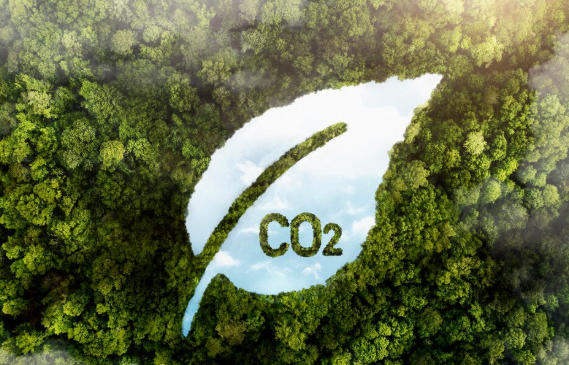
The negative carbon footprint of hemp concrete originates from the hemp plant’s ability to absorb carbon dioxide during its growth phase. It effectively captures large amounts of CO2 through photosynthesis, making it an excellent choice for combating greenhouse gas emissions. Noteworthy points include:
- Hemp can sequester up to 15 tonnes of CO2 per hectare, which is significantly higher than traditional forestry.
- Planting hemp on just 25% of agricultural land currently dedicated to dairy and livestock could eliminate the UN’s 23 gigaton emissions gap.
- The faster growth cycle of hemp compared to trees allows for more immediate carbon capture.
Benefits of Hemp Concrete
Aside from its remarkable capacity for carbon capture, hemp concrete offers a wealth of benefits, making it a worthwhile consideration for sustainable construction. Understanding these advantages will help reveal the comprehensive impact of using hemp in building projects.
Highlighting Environmental Benefits
The environmental benefits of utilizing hemp concrete significantly enhance its appeal in modern building practices. Key aspects include:
- Non-toxic properties: Unlike many conventional building materials, hemp concrete contains no petrochemicals, making it safe for both humans and the environment.
- Mould and pest resistance: Hemp’s natural properties provide resilience against common pests and microbial growth.
- Thermal insulation: Hemp concrete offers low thermal conductivity, promoting energy efficiency in buildings.
Examining Fiscal Advantages
Adopting hemp concrete can lead to notable financial savings in various aspects. Examining these fiscal benefits can help developers and builders draw informed conclusions. Consider the following:
- Reduced energy costs due to superior thermal insulation properties result in lower heating and cooling expenses.
- Tax incentives for sustainable materials can offset initial investment costs.
- Lower insurance premiums may apply due to reduced risks associated with mold and pest damage.
Challenges and Considerations
Despite its benefits, the journey toward widespread adoption of hemp concrete faces challenges. Delving into these obstacles unveils a realistic perspective on its implementation in the construction industry.
Identifying Industry Limitations
The construction sector still grapples with numerous limitations concerning hemp concrete’s integration into mainstream practices. Acknowledging these issues is essential for progressing toward future solutions. Key challenges include:
- Lack of awareness among professionals about hemp concrete and its potential uses can hinder its acceptance.
- Regulatory hurdles affecting building codes may restrict the ability to utilize this material.
- High initial costs associated with sourcing and processing can deter investors.
Exploring Market Demand
The demand for sustainable building materials continues to grow, yet the market for hemp concrete remains nascent. The emerging trend highlights a pathway forward for hemp-based building materials. Focus areas include:
- Increased interest from eco-conscious consumers can stimulate business opportunities.
- Education and outreach programs can enhance understanding of hemp-based solutions.
- Collaborations between architects and developers can drive the innovation needed in hemp concrete applications.
The negative carbon footprint of hemp concrete demonstrates its remarkable potential as a sustainable building material. By focusing on its carbon-sequestering abilities, environmental advantages, and the necessary considerations, we can better understand why this innovative product is becoming a priority in the eco-friendly construction landscape.
In summary, the negative carbon footprint of hemp concrete showcases its significant role in promoting sustainable building practices. With its unique carbon-sequestering capabilities, along with various environmental and fiscal benefits, hemp concrete presents a viable pathway to a greener future. Consulting professionals in the field can provide personalized advice and specialized assistance in adopting these innovative materials.