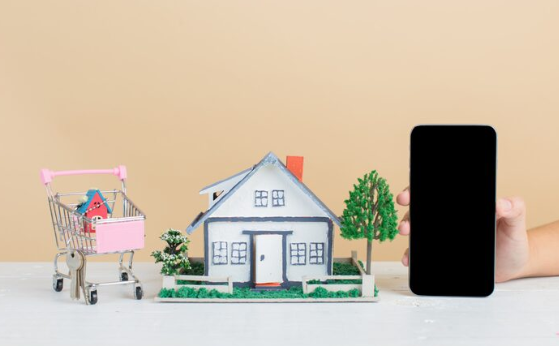
Imagine controlling your home with just a single app on your smartphone while cruising through your day effortlessly. The smart home revolution has begun to reshape everyday life, making efficiency and comfort a priority. But what exactly constitutes a good smart home app and how can it improve user experience in a meaningful way?
Identify User Needs: The Heart of Smart Home App Design
A good smart home app must begin by identifying user needs, paving the way for a seamless experience. Understanding the routines and demands of everyday users forms the foundation for effective design, ensuring that the app offers real solutions for real lives.
Understand Daily Routines
Recognizing daily habits enables developers to craft apps that feel more intuitive and helpful. For instance, users will appreciate features that cater to their unique lifestyles, such as:
- Integrating baby monitor access for parents on the go.
- Allowing remote lock control for frequent travelers.
- Offering customizable lighting settings for various occasions.
Anticipate Pain Points
A commendable smart home app should actively anticipate user pain points and be proactive in addressing them. For example, it should include:
- Notifications for unusual activity around the home.
- Alerts for maintenance needs, like changing an air filter or replacing batteries.
- Automated adjustments to optimize resource use, based on user behavior.
Design Interfaces: Focus on Clean and Intuitive UX
The interface of a smart home app must be designed to promote a clean and intuitive user experience. When users find it easy to navigate, they are more likely to embrace the app as an integral part of their lives.
Create a Simple Onboarding Process
Onboarding plays a significant role in user satisfaction. A straightforward onboarding process that teaches users the basics without overwhelming them sets the tone for future engagement. Users should:
- Receive guidance on customizing their dashboards effectively.
- Engage with interactive tutorials to understand features.
- Feel empowered to personalize their experience from the beginning.
Utilize Visual Cues and Color-Coding
Designing with visual cues can enhance usability and communication within the app. Elements such as color-coded icons enable quick interpretation of device status, streamlining user interactions. Consider incorporating:
- Green indicators for functioning devices.
- Red alerts for problems or malfunctions.
- Dynamic animations to signal actions like device activation or changes.
Implement Security Measures: Guarantee User Trust
Security must be at the forefront of the smart home app experience. Without proper safeguards, users may feel vulnerable, negating any benefits the app offers.
Incorporate Robust Security Features
Integrating top-tier security measures is essential to protect user data and privacy. Essential features should include:
- Encryption of user data during transmission and storage.
- Secure login options, such as biometrics and two-factor authentication.
- User-controlled privacy settings for shared data.
Provide Real-Time Notifications
Real-time notifications facilitate user awareness regarding potential security breaches. Users should receive alerts for activities such as:
- Unauthorized access attempts.
- Changes in account settings.
- Security feature performance updates.
Choose Technology: Select a Versatile Tech Stack
Choosing the right technology stack is vital for reliable and scalable app development. Various frameworks offer their own strengths, depending on the project’s objectives.
Evaluate Framework Options
When it comes to selecting a framework, developers should meet the needs of their target users effectively. Popular choices include:
- React Native for cross-platform performance.
- Flutter for visually appealing and fluid interfaces.
- Natively developed apps for deeper system integration.
Prioritize Comprehensive Testing
Thorough testing is indispensable to ensure that the app operates smoothly across devices. It’s essential to test functionalities such as:
- Device communication under varying conditions.
- Response times to user inputs.
- Overall app stability during real-world use.
Encourage Sustainable Usage: Promote Energy Efficiency
A good smart home app isn’t just a tool for convenience; it can also drive eco-conscious behavior. Integrating energy-saving features benefits both users and the environment.
Incorporate Eco-Friendly Features
By embedding features that incentivize reduced energy consumption, the app can help users cut costs while fostering sustainable living. Effective features should include:
- Real-time monitoring of energy consumption.
- Automated device scheduling based on usage patterns.
- Insights on energy-saving opportunities tailored to user behavior.
Encourage Conscious Habits
Fostering sustainable habits is vital for promoting long-term change. Users can develop eco-friendly behaviors through:
- Gamification elements that reward energy-saving initiatives.
- Community-driven challenges focused on eco-conscious living.
- Information resources to educate users on sustainable practices.
Embrace Future Trends: Prepare for Emerging Technologies
As the smart home industry continually evolves, the app needs to remain adaptable to future developments. Staying ahead means preparing for emerging technologies and user expectations.
Build for Interoperability
Ensuring that the app can seamlessly integrate with new platforms is key for future growth. It should be capable of:
- Working smoothly with emerging protocols like Matter or HomeKit.
- Supporting updates that enhance user experience as new devices and features become available.
- Offering user’s tools for device grouping and management.
Foster Adaptive Features
The ability to adapt to users’ changing lifestyles can enhance the app’s significance. Features could include:
- Customizable family profiles to accommodate different user needs.
- Remote control capabilities accessible from anywhere.
- Localized device communication to improve response times.
In a world where smart homes are revolutionizing how we live, creating a good smart home app requires focusing on users, fostering intuitive design, ensuring robust security, and embracing emerging technologies. By understanding user needs and providing seamless experiences, developers can craft apps that truly resonate with consumers, enriching their daily lives.
Consulting industry professionals for tailored insights and expertise can be invaluable in building a smart home app that not only meets but exceeds user expectations.