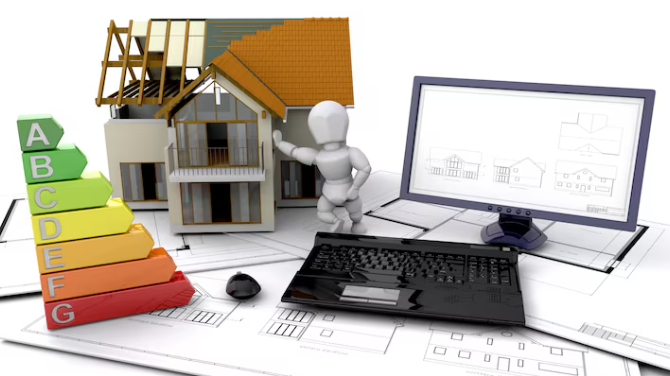
Renovating a property is an exciting journey filled with potential, yet it demands thorough preparation. One pivotal step that can make all the difference is conducting a thermal assessment. Discover how this evaluation can enhance energy efficiency and result in a more sustainable living environment.
Understanding Thermal Assessment
A thermal assessment is critical during the renovation process, aiming to evaluate the building’s energy performance. This assessment encompasses various aspects, including insulation quality, heating efficiency, and overall energy consumption. By identifying vulnerabilities, homeowners can implement targeted improvements that help reduce energy waste.
Recognizing the Importance of Energy Audits
Energy audits serve as a foundational element of thermal assessments. These audits enable property owners to gauge the energy consumption patterns of their buildings. Essential components of an energy audit include:
– Inspection of HVAC systems for efficiency.
– Examination of insulation materials and their condition.
– Assessment of windows and doors to identify air leakage points.
Conducting a thorough energy audit provides a comprehensive understanding of a building’s thermal performance, paving the way for effective renovations.
Utilizing Thermography for Enhanced Insight
Employing thermography can significantly improve the quality of a thermal assessment. This non-invasive technique allows for visualizing temperature variations throughout a building. By using thermal imaging cameras, professionals can spot weaknesses, such as:
– Areas with insufficient insulation.
– Drafts around windows and doors.
– Heat loss through the roof or walls.
These insights help target specific renovation areas, ensuring energy efficiency improvements align with the building’s needs.
Evaluating Building Structures
Going beyond initial assessments, it’s vital to evaluate the building’s structural elements. A detailed assessment of the existing structure assists in forming a comprehensive energy efficiency strategy. Key aspects to consider include:
Assessing Wall and Roof Structures
A thorough examination of walls and roofs fundamentally shapes renovation decisions. Typical analyses include:
– Evaluating wall materials for thermal resistance.
– Inspecting roofing conditions to prevent energy loss.
– Identifying opportunities for improving insulation.
Interactive assessments of these components not only highlight areas for improvement but also align renovations with thermal regulations.
Identifying Behavioral Patterns and Usage
Understanding how occupants use the building is just as vital as evaluating the structure itself. Different behaviors can influence energy consumption patterns. Homeowners should consider:
– Daily living habits that affect heating and cooling needs.
– The impact of appliances on overall energy usage.
– Timing for peak energy consumption periods.
Such considerations enable effective adjustments tailored to individual circumstances, maximizing the energy efficiency of any renovation.
Incorporating Renewable Energy Solutions
Through a comprehensive thermal assessment, opportunities for integrating renewable energy sources become apparent. This fusion of sustainability with renovation contributes positively to overall energy performance. Consider these renewable solutions:
Rooftop Solar Panels
Adding solar panels transforms building roofs into energy-generating assets. Benefits include:
– Reducing reliance on grid power.
– Lowering energy costs over time.
– Enhancing property value through renewable investments.
Proper analysis of sunlight exposure and roof orientation aids in planning effective solar panel installation.
Energy-efficient Heating and Cooling Systems
Upgrading heating and cooling systems drastically impacts a building’s energy performance. Consider evaluating:
– The efficiency ratings of existing HVAC units.
– Options for installing heat pumps or electric boilers.
– The viability of geothermal energy systems for sustainable heating.
These innovations not only improve energy efficiency but also contribute to lowering the building’s carbon footprint.
Ensuring Compliance with Thermal Regulations
Navigating the legal framework surrounding thermal regulations is essential during the renovation process. Compliance ensures that the renovation aligns with established energy performance standards. Important factors to monitor include:
Understanding Local Regulations
Local energy efficiency regulations vary across regions. Renovators should investigate:
– The specific thermal performance standards applicable to their area.
– Required documentation to validate compliance.
– Potential incentives for meeting energy efficiency goals.
Staying informed about local stipulations empowers property owners to adhere to regulations while maximizing available benefits.
Obtaining Certification of Compliance
Once a renovation meets the required standards, obtaining a certificate of compliance becomes imperative. This document serves several purposes, such as:
– Assuring future buyers that energy efficiency standards are met.
– Enabling access to financial incentives and subsidies.
– Enhancing overall property appeal in the market.
A well-rounded thermal assessment not only improves energy performance but also contributes to lasting value in your renovation project.
A thorough thermal assessment is indispensable for maximizing energy efficiency during renovations, providing crucial insights into building performance. As a homeowner, consulting a qualified professional for specialized assistance can greatly enhance your renovation journey. Invest time in the assessment to enjoy long-term benefits and enhanced property value.