When it comes to home maintenance, plumbing is often overlooked, until something goes wrong. Yet plumbing issues can cause serious damage and lead to costly repairs. Fortunately, with the right preventative measures, most problems can be avoided. In this article, we’ll explore expert drain work and practical ways to prevent plumbing disasters before they begin.
Understanding Your Plumbing System
Your home’s plumbing system is a complex network that demands regular upkeep to function efficiently. By understanding its key components, you can help prevent unexpected issues and expensive repairs.
Main Components of the System
The core parts of a plumbing system include pipes, drains, fixtures, and fittings. These elements direct clean water into your home and remove wastewater safely. Regular maintenance helps catch issues early, such as corrosion, wear, or minor leaks. Drains, in particular, play a crucial role. When they become clogged or damaged, the risk of backups and water damage increases. That’s why expert drain maintenance is essential for every homeowner.
Common Plumbing Issues and How to Prevent Them
Many household plumbing problems are preventable. Identifying early signs and applying basic maintenance strategies can protect your system and your property.
Catch Leaks Early
Leaks are among the most common, and damaging, plumbing issues. Check your faucets, exposed pipes, and areas under sinks for moisture or discoloration. Even small leaks can cause mold growth or structural damage over time. Another smart tip is to monitor your water bill. Sudden increases often signal a hidden leak. Also, watch for signs like musty odors or water stains on walls and ceilings.
Control Water Pressure
High water pressure may feel great in the shower, but it can wear out your pipes. Use a pressure gauge to check your home’s water pressure, it should stay within 40–60 psi. Higher levels can strain fittings and increase the risk of leaks or bursts. If necessary, install a pressure regulator to keep pressure in a safe range. This small investment can save you from costly plumbing emergencies.
Proper Drain Care: A Crucial Step
Drain maintenance is one of the most effective ways to avoid plumbing issues. Simple habits can keep your drains running smoothly and extend the lifespan of your system.
Use Drain Screens
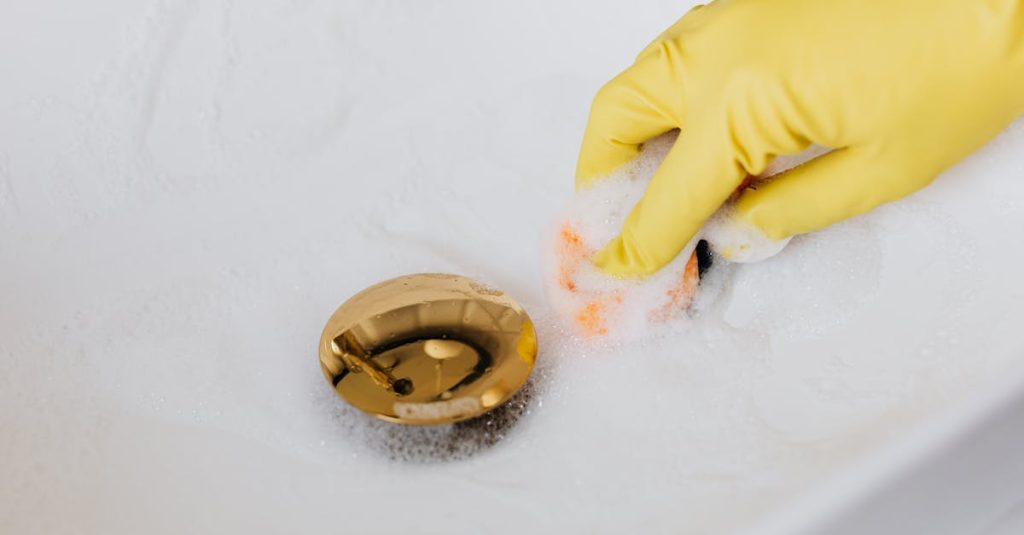
Hair, food particles, and soap residue commonly clog drains. Install drain screens in sinks and showers to trap debris. Clean them regularly to keep water flowing freely and reduce buildup.
Dispose of Waste Correctly
Never pour grease or oils down your sink. As they cool, they solidify and can block pipes. Instead, collect them in a sealed container and dispose of them in the trash. In toilets, only flush toilet paper and human waste. Wipes, hygiene products, and other materials can cause severe clogs and damage your pipes.
Protecting Plumbing in Seasonal Changes
Seasonal temperature changes, especially in winter, pose unique threats to your plumbing system. Taking the right precautions can prevent frozen pipes and other weather-related issues.
Insulate Vulnerable Pipes
Pipes in unheated spaces like basements or garages are especially at risk. Use foam insulation sleeves to cover exposed sections. This reduces the chance of freezing and bursting, which often causes major water damage.
Keep Indoor Temperatures Consistent
Maintain a steady indoor temperature above 55°F during winter, even when you’re away. Open cabinet doors under sinks to help warm air circulate around pipes. A few small changes can protect your plumbing from serious cold-weather damage.
Annual Plumbing Maintenance
While routine DIY checks are useful, a professional inspection offers deeper insights. Qualified plumbers can identify hidden problems that homeowners might miss.
Schedule Yearly Inspections
Plan for an annual plumbing checkup. A licensed plumber will examine your system for leaks, corrosion, and early signs of failure. This is especially important for older homes or properties with mature plumbing systems.
Inspect the Sewer Line
Over time, your sewer line can develop cracks or become clogged by tree roots. A professional can inspect it using a small camera to detect blockages or damage. Timely intervention can prevent costly sewage backups.
Homeowner Drain Maintenance Tips
|
Preventive Action |
Purpose |
Recommended Frequency |
|---|---|---|
|
Install drain screens |
Block hair and food debris |
Check weekly |
|
Monitor water pressure |
Prevent leaks or bursts |
Monthly |
|
Insulate exposed pipes |
Avoid freezing in winter |
Before winter |
|
Inspect under sinks |
Detect early leaks |
Monthly |
|
Book professional check-up |
Comprehensive plumbing check |
Once a year |
Plumbing is complex, and when in doubt, it’s wise to consult with professionals. Many companies specialize in general plumbing services that can routinely check the condition of your system and prevent future challenges.
Consider entrusting your plumbing needs to experts who not only assess, but also offer solutions tailored specifically for your home.