Concrete is no longer just a practical construction material. It has evolved into a versatile design element that can dramatically transform your outdoor spaces. From creating stunning patios to stylish pathways, concrete offers both durability and aesthetic appeal. If you want to elevate your backyard or garden into a sophisticated retreat, exploring creative uses of concrete can unlock endless possibilities.
1. Create Striking Patios with Custom Concrete Finishes
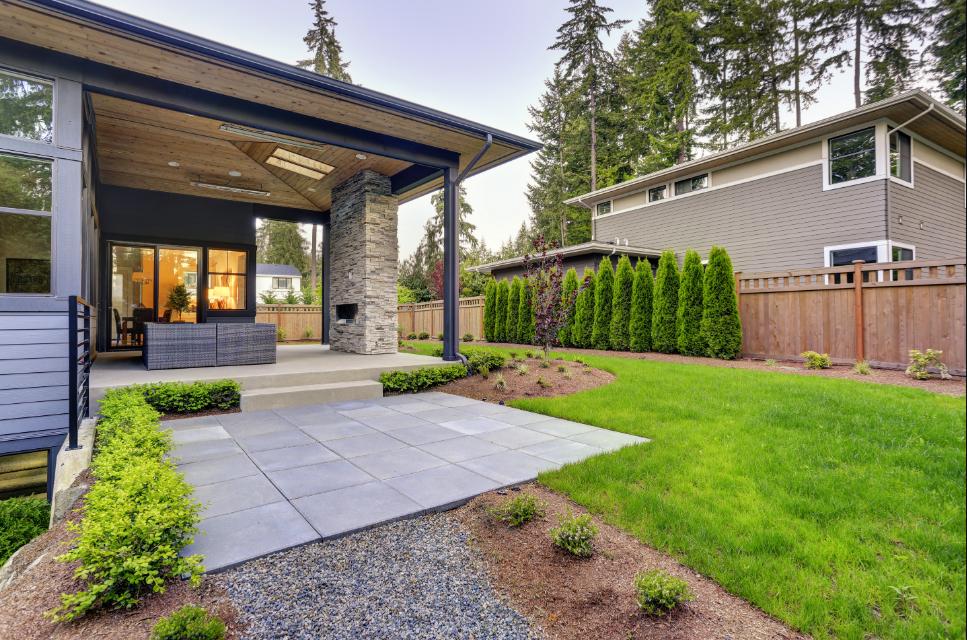
Concrete patios remain a cornerstone of modern outdoor living due to their adaptability and sleek finishes. Beyond standard poured concrete, innovative techniques like stamped concrete can mimic natural stone, brick, or wood textures, bringing luxurious style without the high cost. The ability to add decorative borders or embed patterns also lets you personalize your patio to suit any theme, from minimalistic to rustic charm.
Additionally, treatments such as waterproofing concrete surfaces improve longevity, ensuring your patio resists the elements while maintaining its beauty. Combining these finishes with comfortable outdoor furniture turns a simple concrete slab into a cozy, inviting space for entertaining or relaxation.
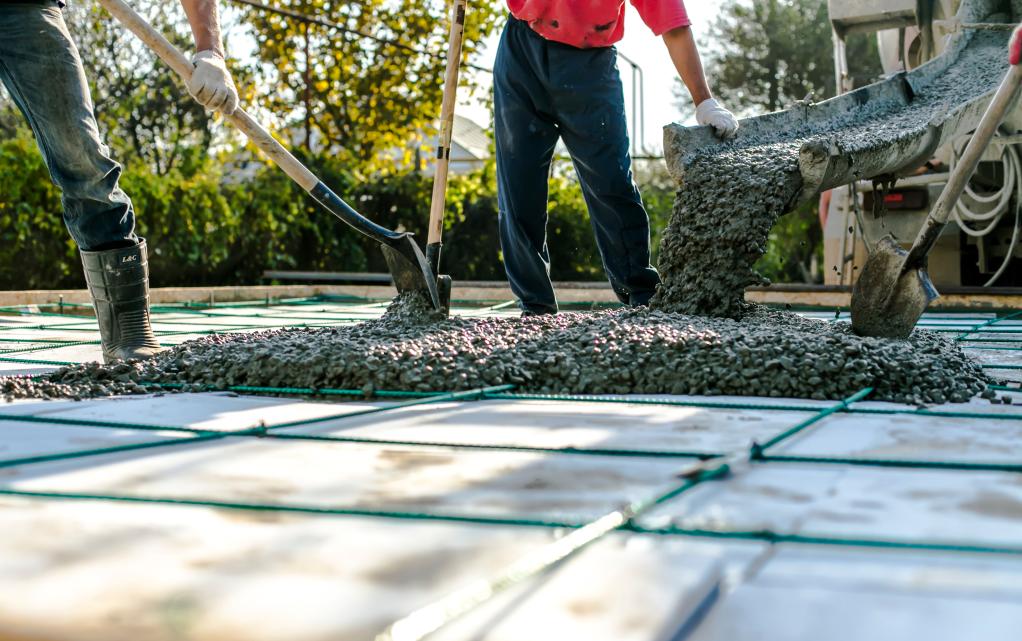
Considering a concrete slab tailored to your project can simplify installation and guarantee the best fit for your backyard layout. This thoughtful approach balances aesthetic desires with functional needs.
In short, custom concrete patios effortlessly blend style and functionality, establishing a stunning foundation for your outdoor design.
2. Design Elegant Pathways and Garden Accents
Transforming your outdoor space with concrete pathways not only enhances accessibility but also adds eye-catching elements to your landscaping. Curved concrete walkways with smooth surfaces provide a clean, contemporary look, while textured or stained finishes bring character and slip resistance.
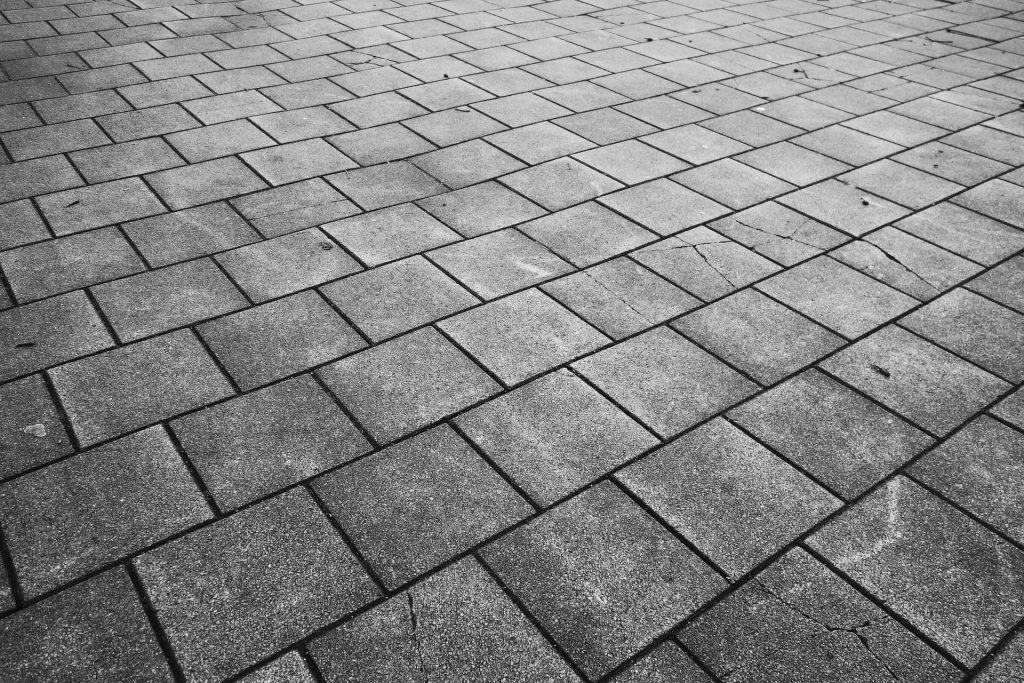
For those seeking more distinctive designs, modular concrete pavers can introduce varied shapes and colors, perfect for crafting intricate or rustic patterns along paths or borders. The flexibility of pavers means you can tailor the layout to complement your garden’s natural forms and plantings seamlessly.
Beyond pathways, concrete is excellent for creating artistic garden accents such as benches, planters, or low retaining walls. These features serve both an ornamental and practical purpose, uniting beauty with structural support within the outdoor environment.
Altogether, concrete’s versatility in pathway and garden structure design makes it a powerful tool for enriching landscape aesthetics and usability.
3. Incorporate Functional Features like Fire Pits and Outdoor Kitchens
Adding functional concrete installations like fire pits and outdoor kitchens elevates the entertainment potential of your backyard. Concrete fire pits boast exceptional durability and fire resistance, allowing for sleek or textured designs that become captivating focal points for gatherings.
Moreover, concrete countertops in outdoor kitchens offer a resilient, weatherproof surface perfect for cooking and serving. Their customization options, such as staining or integrating natural stone effects, blend elegance with robustness, making meal preparation a stylish affair.
This integration of concrete features extends the outdoor season by creating cozy spaces for friends and family, effectively turning your backyard into a versatile living area.
By combining fire elements and cooking spaces, concrete becomes not only decorative but essential for enhancing outdoor lifestyle experiences.
4. Blend Concrete with Natural Materials for Warmth and Contrast
While concrete is often associated with a cool, industrial vibe, pairing it with warm natural elements like wood softens its appearance and provides inviting contrasts. Wooden pergolas, decking borders, or planter boxes adjoining concrete patios create a balanced, harmonious interplay between modern and organic aesthetics.
Such mixtures allow you to enjoy the best of both worlds: concrete’s strength and low maintenance, alongside wood’s texture and warmth. This design strategy fosters spaces that feel simultaneously sophisticated and cozy, making your outdoor areas more welcoming.
Incorporating natural materials alongside concrete also facilitates smoother transitions between different zones, such as dining, lounging, or gardening spaces, thus enhancing overall flow and use.
This creative fusion of materials ensures your outdoor design feels both unique and touched by nature’s charm.
5. Maximize Durability and Maintenance Ease for Long-Lasting Appeal
One of concrete’s strongest attributes is its remarkable durability and minimal upkeep requirements. Investing in a well-crafted concrete surface means years of reliable use without frequent repairs. Applying protective measures like sealants, as discussed in how to seal a humid concrete floor, guards against moisture intrusion and wear.
If your outdoor space already has concrete features, you can rejuvenate them with techniques such as overlays or resurfacing, avoiding costly replacements. Guidance on repairing concrete cracks ensures your structures remain safe and stunning.
Additionally, protect your concrete investments from environmental damage through comprehensive waterproofing strategies described in concrete waterproofing guides. This maintenance awareness guarantees your outdoor design’s visual and structural integrity well into the future.
Ultimately, embracing concrete’s resilience saves money and effort while preserving the stylish impact of your outdoor environment.
If you’re ready to reimagine your outdoor areas with the elegance and strength of concrete, don’t hesitate to contact specialized landscaping professionals who can guide you through tailored design and installation. Elevate your exterior today with expert help to achieve beautiful, lasting results.