Concrete surfaces are often overlooked until damage or unsightly stains become prominent. Yet, taking the time to clean and seal your concrete is a proactive step that helps maintain durability and visual appeal. Whether it’s your driveway, patio, or pool deck, proper care extends the life of your concrete investment.
Enhance Appearance and Ease of Maintenance
Cleaning and sealing concrete not only safeguards the structure but significantly improves its look. Sealants help retain or enrich the natural color and gloss of your concrete, often making surfaces appear newer and more vibrant. Dirt and stains are less likely to penetrate sealed concrete, simplifying routine cleaning.
When concrete is sealed, dirt and grime tend to accumulate on the surface rather than soaking in, which means cleaning requires less effort and fewer harsh chemicals. This means you save time, effort, and money on upkeep over the years, keeping your property attractive and welcoming.
Choosing the right sealer finish helps match your personal style and home décor. From satin to high gloss, there’s a variety of options that enhance curb appeal while protecting the base material.
- Color enhancement: prevents fading and restores vibrancy.
- Repels dirt: so surfaces stay cleaner longer.
- Easy cleaning: reduces need for abrasive scrubbing or frequent washing.
For tips on preparing your pavement and sealing it effectively, check out this helpful guide.
Protect Your Concrete from Water Damage and Harsh Elements
Did you know that concrete’s natural porosity allows water and other substances to infiltrate, causing deterioration over time? Sealing acts as a barrier against this damage, protecting your surfaces from moisture penetration, freeze-thaw cycles, and chemical exposure.
Water infiltration can lead to cracking and disintegration due to expansion when water freezes. In regions with varying temperatures, like Texas, this risk intensifies. Additionally, exposure to chemicals such as fertilizers, oils, and pool substances causes concrete to weaken and stain easily.
Sealing your concrete preserves its integrity by repelling water and harsh substances, slowing down the effects of environmental wear and tear. This preventive step reduces expensive repairs and helps concrete withstand severe weather, making sealing a wise investment.
- Freeze-thaw resistance: seals prevent water absorption that causes cracking.
- Chemical resistance: protects against stains from oils and fertilizers.
- UV protection: minimizes discoloration and surface damage from sun exposure.
For those interested in more in-depth insights about waterproofing benefits, resources such as this article delve into professional waterproofing’s role in prolonging property life.
Increase Durability and Save Money with Long-Term Protection
Sealing concrete extends its lifespan by shielding it from mechanical wear and chemical damage. Whether your concrete experiences heavy foot traffic, vehicle use, or exposure to lawn equipment, sealed surfaces resist abrasion and erosion better than unprotected ones.
Furthermore, a well-maintained seal reduces the likelihood of surface cracks that compromise stability. This preservation means fewer costly repairs and replacements down the line. Economic efficiency paired with enhanced durability makes sealing a smart choice that pays for itself over time.
Maintenance savings come from reduced cleaning frequency, less need for stain removers, and delayed repair interventions. The initial investment in sealants, although variable depending on product and professional application, proves practical compared to the expenses of concrete deterioration.
Explore deeper knowledge on concrete waterproofing techniques at this useful resource.
How to Successfully Clean and Seal Your Concrete?
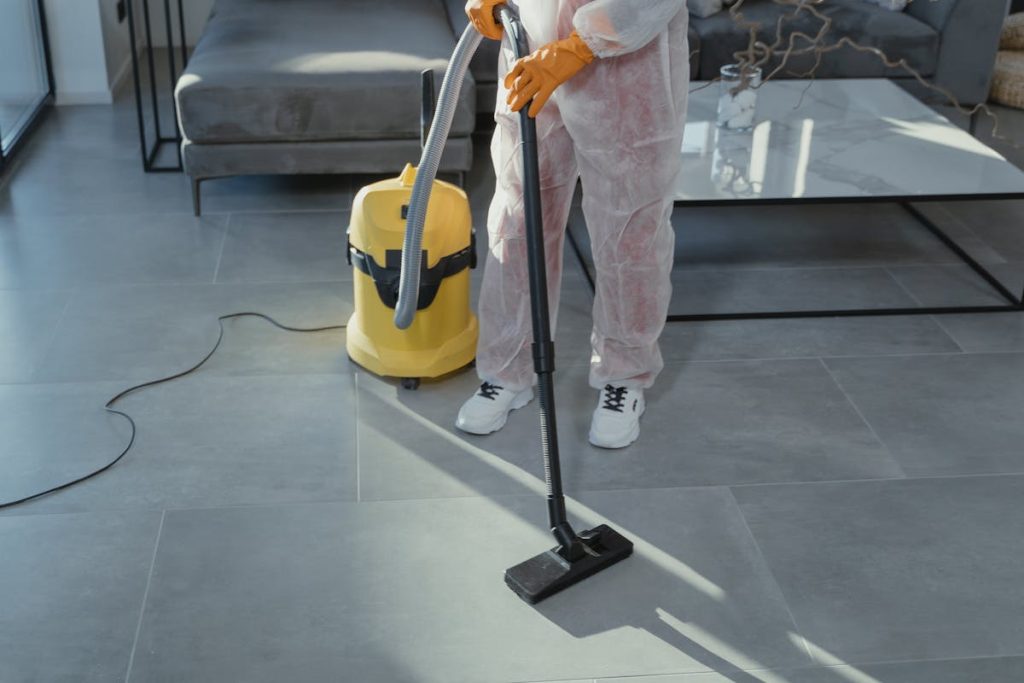
Before sealing, a thorough cleaning is crucial to remove dirt, old sealers, oils, and mold. Surfaces must dry fully, and cracks or chips should be repaired to ensure the sealer bonds well and delivers maximum protection.
Choosing the appropriate sealer type is essential. Options include acrylics, epoxies, polyurethane, and penetrating siliconate sealers. Each type offers different levels of gloss, protection, and durability. Testing a small section before complete application helps predict final results.
Professional application techniques, such as spraying, rolling, or using squeegees, ensure uniform coverage and prevent peeling. Proper curing time after application is vital to achieve full protection.
- Surface preparation: cleaning and repairing.
- Sealer selection: match with exposure and desired finish.
- Application: even coats with sufficient drying.
For those dealing with humid basement concrete, see expert advice on sealing here.
Maintenance Tips Post-Sealing
Regular cleaning using gentle methods preserves the sealant. Avoid harsh chemicals and remove debris promptly to prevent degradation. Schedule resealing every 1–3 years depending on wear.
Seasonal care, such as minimizing rock salt use in winter and protecting from prolonged sun exposure, maximizes sealer lifespan and concrete health. Actively maintaining your concrete protects your upfront investment.
Learn about building durable, waterproof foundations for concrete in cold climates with this comprehensive guide.
If you want to safeguard your property with expert sealing services or learn more about protecting your concrete surfaces, don’t hesitate to get in touch with professional contractors, like Summit Group of Companies Limited. Their knowledge and experience ensure quality results that keep your concrete looking and performing its best for years to come.