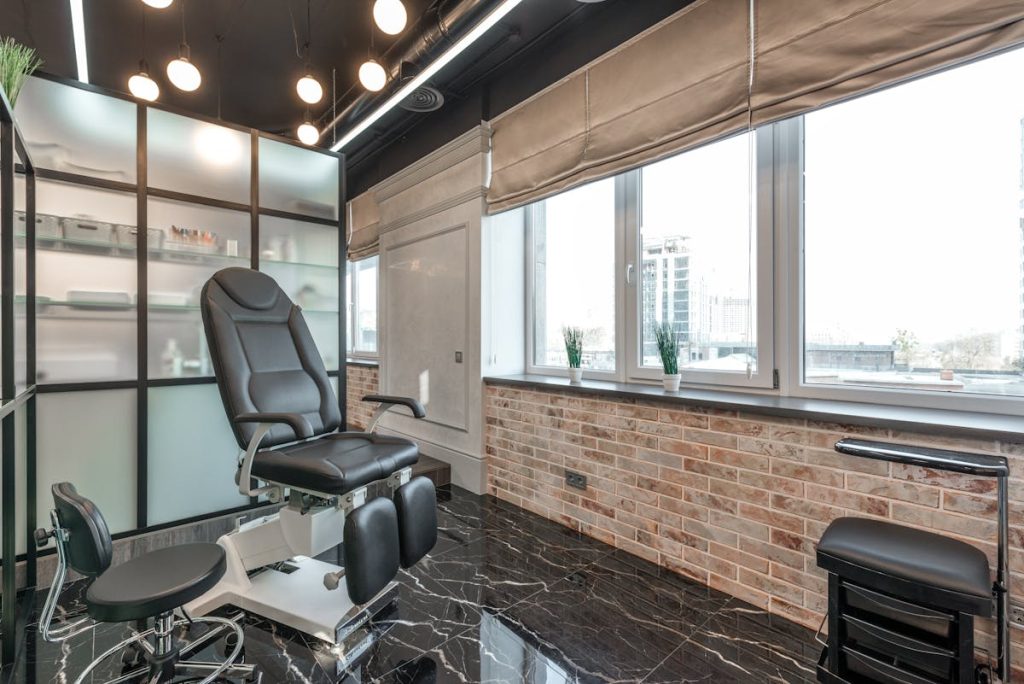
Curtains are often an afterthought in interior decorating, yet they have the power to transform the ambiance and style of any space. However, even the most beautiful fabric and patterns can fall flat if the curtains are ill-fitting or poorly hung. The devil is in the details, and measuring mistakes are the most common culprits behind curtains that look cheap or awkward.
In this guide, we will explore the three critical measuring errors that can sabotage your window dressings. Understanding these pitfalls will help you choose and hang curtains that enhance your room’s aesthetics, maximize functionality, and elevate your home’s overall feel.
The Most Common Measurement Errors and How to Avoid Them
Before diving into solutions, it’s essential to know exactly what mistakes to watch out for with curtain measurements. The key issues involve width calculation, rod placement height, and hardware considerations. Awareness here is the first step toward perfection.
1. Measuring Only the Window Glass
It’s tempting to measure just the visible glass of your window, but this mistake leads to curtains that are too narrow. Curtains that barely cover the frames can look sparse and fail to block light effectively.
Instead, always measure from the outer edges of the window frame, including some extra space on both sides. This ensures that when curtains are closed, the window is fully covered, blocking drafts and light spills.
Adding fabric fullness is also important, especially for styles like pleated or gathered curtains. The general rule of thumb is: for flat panels, use 1.5 times the width of the window; for pleated curtains, multiply by 2 to 2.5 times; and for sheer fabrics, aim for 2.5 to 3 times the width. This fullness adds richness and avoids a stretched or flimsy appearance.
2. Hanging the Rod at the Wrong Height
Placement of the curtain rod has a dramatic impact on how spacious and elegant your room feels. Rods hung too low shrink the perceived height of your ceilings and make the space feel squished.
The solution is simple yet transformative: mount the curtain rod 4 to 6 inches above the window frame but ideally closer to the ceiling. This gives a taller room impression and allows the curtains to cascade gracefully to the floor.
Avoid window treatments that stop at the sill, as they visually cut the room in half and can appear outdated or sloppy. Floor-length curtains create a more polished look, draw the eye upwards, and enhance window features.
3. Ignoring Rod and Hardware Thickness
Many underestimate the space taken up by curtain rods, brackets, and finials, resulting in curtains that are too narrow or unevenly hung. It’s crucial to include hardware dimensions when measuring.
Measure the width with rods and brackets in place. This ensures the curtain panels will hang correctly and sit flush with the window frame. Additionally, choosing a rod diameter between 30–35mm strikes the perfect balance between sturdiness and style for most interiors.
Cheap or flimsy rods that sag under the curtain weight not only look inferior but can also distort curtain shape and function. Investing in quality hardware offers better support and a refined finish.
Practical Tips: How to Get Your Curtain Measurements Right Every Time
Executing perfect curtain measurements requires a methodical approach. Here’s a breakdown of best practices to guide your process:
| Aspect | Common Mistake | Recommended Approach |
|---|---|---|
| Width | Measuring only window glass | Measure full frame width + extra inches for overlap/fullness |
| Height | Hanging rod too low or curtains too short | Mount rods 4-6 inches above the window, hang floor-length curtains |
| Hardware | Ignoring rod diameter and bracket size | Measure with hardware installed, select sturdy rods around 30-35mm |
| Fullness | Too little fabric for desired style | Calculate fullness multiplier: 1.5x (flat), 2-2.5x (pleated), 2.5-3x (sheers) |
| Pattern repeats | Overlooking matching prints | Account for repeat lengths when ordering fabric |
By systematically working through this checklist, you can avoid costly errors and ensure your curtains fit your windows perfectly.
Additional Factors to Consider for Elegant and Functional Curtains
While accurate measurements form the foundation, other considerations contribute significantly to the overall impact of your drapery. These include fabric type, curtain hardware quality, and room-specific needs such as heating efficiency and light control.
For example, heavy curtains pulled across radiators can impair heat circulation, so selecting lighter fabrics or incorporating longer pole brackets to clear heat sources is wise. To learn more about managing your heating system and cutting energy costs, consult comprehensive guides on optimizing home heating strategies.
Modern innovations like motorized curtains offer convenience and can add a contemporary edge to your interior design. They also maintain perfect curtain folds consistently.
Finally, coordinating curtains with room paint and finishes enhances cohesion. Organizing painting work efficiently before installing curtains ensures there’s no risk of damage or color mismatches, a tip detailed in reputable home service blogs.
If you want your curtains to look professionally perfect while maximizing room aesthetics and functionality, working with a specialized curtain retailer or installer is the smartest choice. Contact a trusted expert today to get personalized advice and precise measuring services that guarantee a flawless finish every time.