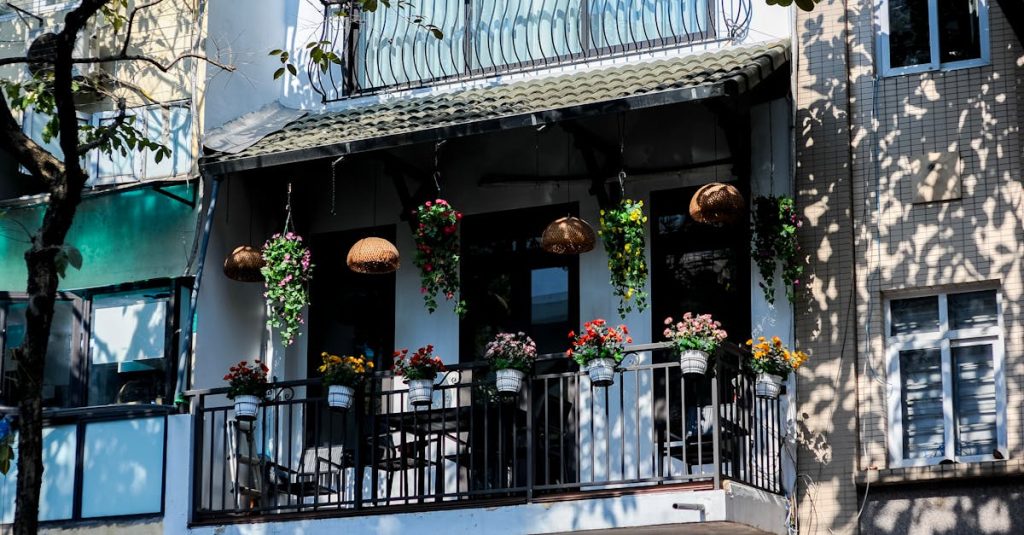
Creating a vertical garden using pallets offers a brilliant solution for urban gardeners and DIY enthusiasts. This innovative approach transforms simple wooden pallets—often discarded and overlooked—into vibrant, space-saving green walls that blend functionality with style. As cities grow denser and living spaces shrink, vertical gardens become essential in bringing nature closer, making them part of sustainable gardening and home decor trends.
Why Wooden Pallets Are Ideal for DIY Vertical Gardens
Wooden pallets stand out as an affordable and versatile material favored by DIY gardeners for creating vertical gardens. Typically discarded by warehouses, retailers, or construction sites, pallets offer a sturdy, rustic framework perfect for growing plants in small spaces—be it balconies, patios, or compact backyards.
By repurposing pallets, gardeners embrace sustainable gardening practices that reduce waste and promote eco-conscious lifestyles. Notably, these pallets provide several benefits:
- Cost-effectiveness: Pallets are often free or very inexpensive compared to buying traditional planter boxes.
- Space efficiency: Vertical orientation maximizes limited square footage.
- Customization: Easily adapted to fit design preferences and plant types.
- Durability: When properly treated, pallets withstand outdoor conditions for multiple growing seasons.
This approach perfectly aligns with trends in urban gardening and eco-friendly home decoration. To learn more about safe and creative pallet gardening, explore inspiring DIY vertical pallet garden ideas that can transform any space.
Essential Materials and Preparation for Building Your Vertical Pallet Garden
Starting your pallet garden requires just a handful of materials and tools, many of which are either inexpensive or already available at home. Focusing on quality prep ensures a thriving and long-lasting installation.
What You’ll Need
- Wooden pallets stamped HT (Heat Treated): safe for planting, free from harmful chemicals.
- Landscape fabric or geotextile: lines the pallet, creating pockets to hold soil without it falling through.
- Lightweight potting mix: provides proper drainage and nutrition for your plants.
- Seeds or seedlings: herbs, flowers, or vegetables suited for vertical gardens.
- Optional non-toxic wood sealant: protects the pallet from outdoor weathering.
- Basic tools: staple gun or hammer and nails for fabric, sandpaper for smoothing, scissors, drill or screwdriver for mounting, and paint or stain for aesthetics.
Take special care to avoid pallets treated with harmful chemicals such as Methyl Bromide, identifiable by the MB stamp. Instead, always opt for HT pallets to ensure a safe and sustainable garden foundation.
Preparing the Pallet
Preparation starts with inspecting and sanding to avoid splinters and weak boards. Reinforce where necessary. Then, line the back and sides with overlapping layers of landscape fabric securely stapled to create soil-holding pockets. This technique prevents soil erosion and maintains optimal moisture levels for plant roots.
Planting and Positioning Your Vertical Pallet Garden
Once your pallet is ready, adding soil and plants is the next step. Each pocket should be filled with pre-moistened potting mix to facilitate root establishment. Consider the watering dynamics: water flows top-down, so plants at different heights demand varied sunlight and moisture requirements.
Choosing the Right Plants for Different Zones
| Zone | Conditions | Ideal Plants |
|---|---|---|
| Top Row | Most sun exposure, dries fastest | Thyme, oregano, succulents |
| Middle Rows | Balanced light and moisture | Basil, mint, parsley, marigolds |
| Bottom Row | Shadier and moister environment | Strawberries, lettuce, trailing nasturtiums |
Planting tip: Place taller or drought-tolerant species near the top, while moisture-loving and trailing plants fit best at the bottom.
Keeping the pallet flat for one to two weeks after planting is an often-overlooked but critical step. This “curing” allows roots to bond through the soil and fabric, stabilizing plants before the vertical installation. When the time comes to mount your garden, secure it firmly into structural supports using brackets or screws to handle the substantial weight.