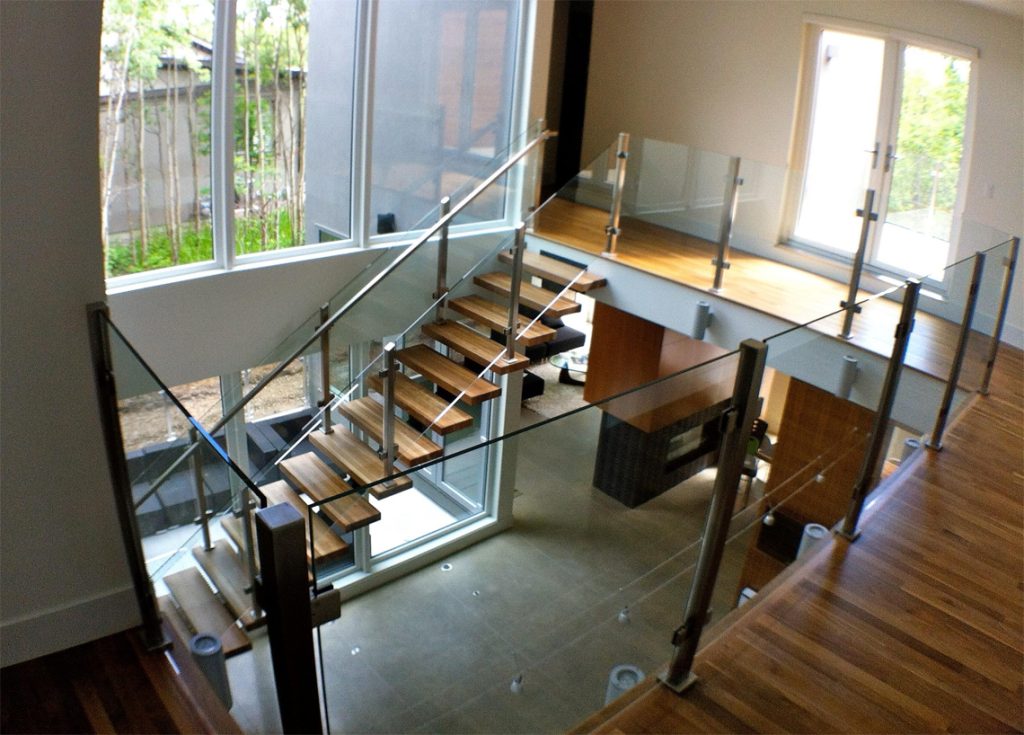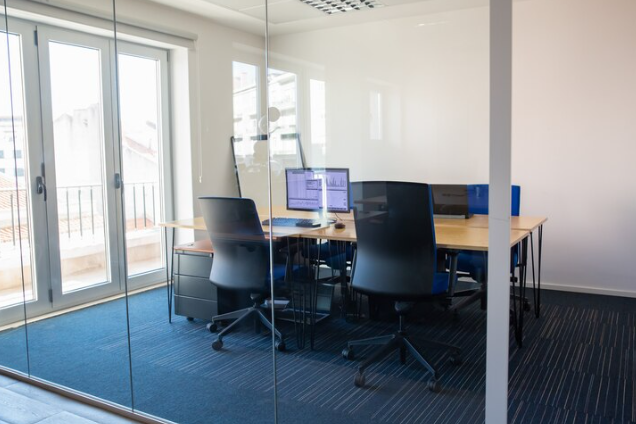
In modern workspaces and commercial environments, striking the right balance between openness and acoustic privacy is crucial. Open-plan offices encourage collaboration but often struggle with noise distractions. Here, double-glazed glass walls emerge as an innovative solution, providing both visual transparency and auditory separation. These systems combine design elegance with functional sound control, creating spaces where seclusion and communication coexist.
How STC Ratings Impact Sound Proofing in Glass Wall Systems
Sound Transmission Class ratings are pivotal in selecting glass walls that deliver effective noise reduction. STC ratings quantify a material’s capability to block airborne sound, measured in decibels (dB). For instance, a single-glazed panel might have an STC of around 30, suitable for moderate noise reduction, while double-glazed options can surpass an STC of 40, offering excellent privacy.
The structure of double-glazed glass walls plays a vital role in achieving higher STC performance. Thicker glass panes, along with laminated layers, contribute to superior acoustic insulation. Additionally, the air space between the glass sheets acts as a sound buffer, further enhancing noise control.
Laboratory testing under controlled environments ensures reliable STC ratings. However, real-world performance can be influenced by on-site factors such as insulation quality, seal integrity, and even the surrounding architecture. Thus, careful planning and installation are essential to maximize acoustic efficiency.
Ultimately, investing in glass walls with robust STC ratings elevates acoustic privacy, promoting a tranquil and productive atmosphere.
Key Factors Influencing STC Ratings in Double-Glazed Glass Walls
Several pivotal elements determine the overall soundproofing capabilities of glass partitions:
- Glass Thickness and Type: Thicker and laminated glass panels provide higher sound insulation.
- Air Gap Width: A wider space between panes improves noise reduction by disrupting sound transmission.
- Sealing and Gasketing: Proper seals prevent sound leaks around edges and joints.
- Installation Quality: Accurate fitting reduces flanking transmissions through ceilings, floors, or walls.
Innovative Design Solutions for Enhanced Acoustic Performance
Advancements in technology and engineering have introduced innovative methods to boost the acoustic efficiency of glass walls. Besides glass composition and thickness, special sealing mechanisms like bulb seals, foam gaskets, and drop seals play an instrumental role in sealing gaps and preventing sound escape.
The use of impact-resistant polycarbonate I-beams in butt-glazed partnerships adds damping properties, absorbing sound vibrations effectively. Meanwhile, solid point connections ensure that glass panels integrate seamlessly with their frames, minimizing sound leakage through structural gaps.
Moreover, layering acoustic treatments such as wall panels and upholstered furnishings complements the glass walls’ intrinsic sound control features. These combined approaches significantly improve the acoustic environment without compromising style.
Designers and architects now have a wide range of tools at their disposal to tailor glass wall systems that meet stringent soundproofing requirements in diverse settings.
Comparing Acoustic Qualities Across Glass Panel Types
| Glass Panel Type | Typical STC Rating | Recommended Application |
|---|---|---|
| Single Glazed Panel | 30 | Casual conversation areas |
| Double Glazed (Standard) | 40-43 | Private offices, meeting rooms |
| Laminated Double Glazed | 45-50 | High confidentiality spaces |
| Quantum Double Butt-Glazed System | Up to 50 | Advanced acoustic solutions |
Practical Tips for Maximizing Acoustic Privacy With Glass Walls
Translating laboratory-grade performance to real-world settings requires meticulous attention to various factors. One critical aspect is controlling flanking transmission, where noise travels via secondary paths like ceilings, floors, or HVAC ducts.
Strategic placement of sound-absorbing materials, such as acoustic ceiling tiles and plush furnishings, can dampen ambient noise further. Additionally, maintaining airtight seals around glass edges and frames is imperative for maintaining STC levels onsite.
Employing double-glazed glass panels with the appropriate thickness and quality, combined with state-of-the-art sealing technology, ensures optimal soundproofing. Regular maintenance of seals and gaskets prolongs acoustic performance, keeping spaces serene and conducive to concentration.
Ultimately, thoughtful design, coupled with quality materials and expert installation, crafts environments where privacy and openness thrive hand in hand.
Maintenance and Upkeep for Sustained Acoustic Benefits
Periodic inspection of sealing systems identifies potential weak points where sound leakage may occur. Keeping hardware and seals in excellent condition extends the acoustic effectiveness of glass walls over time. Cleaning with appropriate products preserves glass clarity and ensures no compromise in sound performance due to dirt or damage.
Engaging professionals with experience in installing and servicing acoustic glass walls guarantees long-term satisfaction from your investment. Regular sound testing can monitor performance and guide necessary adjustments or upgrades.
Adopting a proactive approach to maintenance safeguards the quiet and private atmosphere essential for modern workplaces.
Summary
Optimizing acoustic privacy in contemporary environments is achievable through the strategic use of double-glazed STC rated glass walls. These systems provide an excellent balance between transparency and sound insulation, ensuring spaces remain both inviting and confidential. By understanding how STC ratings impact noise reduction and selecting glass types with the right specifications, users can greatly enhance their acoustic comfort.
Innovations in sealing technology and design further elevate soundproofing capabilities, while practical considerations such as managing flanking noise and maintaining seals ensure lasting performance. Together, these elements foster productive, serene spaces that accommodate both collaboration and concentration.
Ready to transform your workspace with cutting-edge acoustic glass solutions? Contact an acoustic glass specialist today to explore customized double-glazed wall systems tailored to your unique privacy needs.