Creating a raised vegetable garden on your terrace can revolutionize how you engage with urban gardening. Imagine harvesting fresh tomatoes or aromatic herbs just steps away from your kitchen, all while transforming an under-utilized outdoor space into a green oasis. With the rise of city living and limited yard space, many gardeners have turned to terraces and balconies as fertile ground for cultivation. But how do you design and build a setup that maximizes growth, ease of maintenance, and aesthetics? This comprehensive article breaks down the essentials of custom garden design to help you create a thriving DIY garden bed, from initial planning through to ongoing garden maintenance.
Planning and Designing Your Custom Raised Vegetable Garden
The foundation of any successful terrace garden is a thoughtful custom garden design that accounts for the specific conditions of your space. Begin by assessing your terrace’s size, weight capacity, and sunlight exposure throughout the day—most vegetables require at least 6 hours of direct sunlight to thrive.
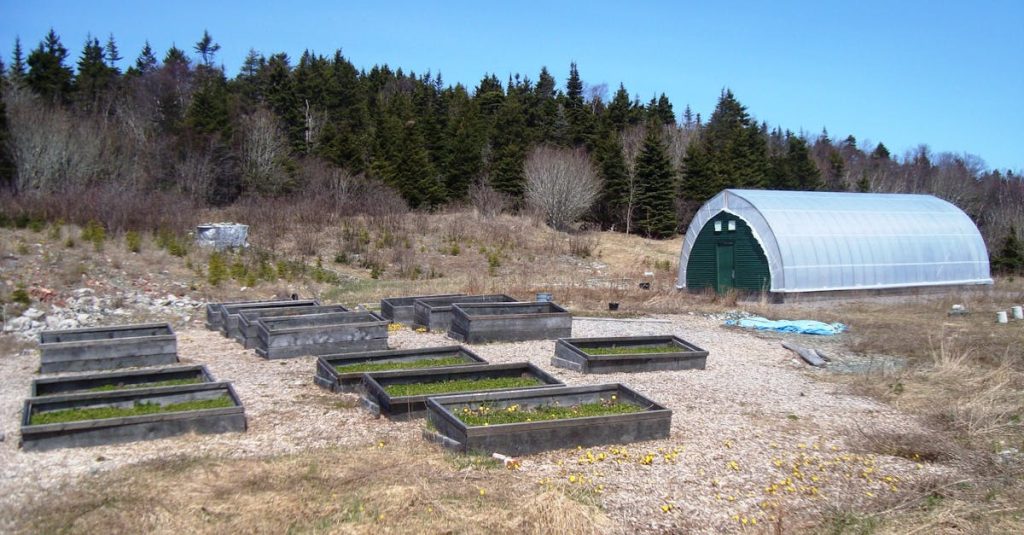
The choice of layout is crucial—whether you opt for rectangular raised garden beds or tiered terraces to utilize vertical space. Terraced beds can prevent soil erosion and improve drainage, enhancing plant health on slopes or uneven surfaces.
During the design phase, consider these important factors for your terrace garden:
- Sunlight Mapping: Track sun and shade spots to position plants optimally.
- Container Selection: Use materials like terracotta, wood, or recycled plastic containers with adequate drainage holes.
- Accessibility: Design pathways or steps to allow easy access for planting and maintenance.
- Irrigation Strategy: Decide between manual watering or installing a drip irrigation system to save time and water.
Integrating these elements will align your DIY garden bed with your lifestyle and terrace constraints, enabling both beauty and functionality. For more detailed guidance, you might explore resources like how to build terraced vegetable garden or raised garden bed plans for inspiration.
Essential Garden Tools and Materials for Terrace Gardening
Gathering the right garden tools and materials ensures your project proceeds smoothly. Key items include sturdy shovels for soil work, pruning shears for plant care, and watering cans or hoses suited for container watering. For constructing raised beds, pressure-treated wood, concrete blocks, or recycled materials can be effective choices depending on your budget and aesthetic preferences.
Don’t overlook the importance of quality potting mix tailored for container gardening. A good soil blend should combine organic compost, vermiculite or perlite for aeration, and balanced nutrients to nourish your plants throughout the season.
Choosing the Right Plants and Preparing Soil for Optimal Growth
Plant selection is a cornerstone of successful terrace gardening. Opt for compact or dwarf vegetable varieties that flourish in containers, such as cherry tomatoes, peppers, lettuce, and herbs like basil or mint. Including a mix of perennial and annual plants can provide continuous harvests and vibrant greenery.
Equally important is soil preparation. Since terrace containers have limited space, the soil must retain moisture yet drain well to prevent root rot. Mixing high-quality compost with lightweight, well-draining components ensures your plants receive the nutrients and oxygen essential for growth. Regular fertilization with organic or slow-release fertilizers supports sustained plant health.
Watering Strategies and Garden Maintenance Tips
Proper watering is critical in a small-scale raised vegetable garden on a terrace. Containers dry out faster than traditional gardens, so developing a consistent watering schedule is necessary. Water early in the morning or late in the day to reduce evaporation.
Maintenance tasks extend beyond watering: regular pruning encourages vigorous growth, while monitoring for pests helps prevent infestations without harsh chemicals. Mulching can help retain moisture and reduce weed growth, easing your workload.
- Water plants consistently but avoid waterlogging.
- Use organic pest control such as neem oil or insecticidal soaps.
- Prune dead or crowded foliage to improve air circulation.
- Fertilize every few weeks with balanced garden fertilizers.
- Rotate crops seasonally to maintain soil health.
Comparing Popular Types of Raised Garden Beds for Terrace Use
| Feature | Wooden Raised Bed | Concrete Block Raised Bed | Recycled Plastic Raised Bed |
|---|---|---|---|
| Durability | Moderate; may rot over time | High; long-lasting | High; weather resistant |
| Cost | Low to moderate | High | Moderate |
| Ease of Assembly | Easy | Moderate; heavier materials | Easy |
| Aesthetics | Natural look, customizable | Industrial look | Variety of colors and styles |
| Weight | Light | Heavy; ensure terrace can support | Light |
Overcoming Common Challenges in Terrace Gardening
One challenge in building a terraced vegetable garden is managing space constraints. Vertical gardening techniques, such as trellising and stacking pots, allow you to amplify your growing area effectively. Limited sunlight can be addressed by strategic plant placement and using reflective surfaces to increase light exposure.
Another frequent concern is pest management. A proactive approach includes frequent inspection, encouraging beneficial insects, and using organic treatments to keep pests in check without harmful chemicals. Sustainable practices like composting and crop rotation enrich your soil and reduce disease risks.