Installing window tinting for your home can significantly enhance comfort, privacy, and energy efficiency. However, understanding the various VLT percentages and what they mean is essential to making an informed choice. Dive into this guide to discover how to select the right tint for your property.
Understanding the Basics of Window Tinting and VLT Percentages
Before delving into specific percentages, it’s important to grasp the core concept of how VLT—or Visible Light Transmission—affects the performance and appearance of your window film. VLT represents the proportion of visible light that passes through a window tint, influencing both aesthetic and functional qualities.
In essence, the VLT percentage directly impacts how much natural light enters your space, how much privacy you gain, and how well the tint filters out heat and UV rays. Lower VLT values mean darker tints that provide more privacy and heat rejection, while higher values allow more light to flow through, preserving visibility and openness. Balancing these factors is key to choosing the right tint for your needs.
Determining Factors for Choosing VLT Percentages
Choosing the right VLT percentage depends on multiple considerations, including your privacy preferences, energy-saving goals, and local regulations. Each home possesses unique attributes and requirements, making it essential to evaluate what you prioritize most.
Understanding the impact of VLT options helps in selecting a film that enhances your home’s aesthetic appeal while meeting safety standards and legal restrictions. Let’s explore how different VLT levels serve specific purposes and styles, enabling homeowners to make educated decisions.
Exploring Common VLT Percentages and Their Benefits
Homeowners typically opt for a range of tint percentages that align with their lifestyle, climate, and local laws. Here’s an overview of the most popular VLT options and the advantages they offer.
High VLT: Keeping Light Accessible (50% to 70%)
This range encompasses the lighter end of window tinting, often chosen for its balance of visibility and UV protection. It allows ample natural sunlight while reducing some glare and heat.
- Provides clear, unobstructed views both during the day and at night, ensuring safety and convenience.
- Reduces UV rays, which can help protect furnishings and flooring from fading.
- Meets most legal standards, especially for front-facing windows, where excessive darkness is often prohibited.
Homebuyers seeking a subtle upgrade that preserves the openness of their space often lean toward this VLT range, which also offers energy-saving benefits by reducing cooling costs during summer months.
Medium VLT: Achieving a Balance (20% to 35%)
Diving into the mid-range options, these tints are favored for their ability to combine aesthetic appeal with enhanced privacy and heat rejection.
- Offers a noticeable reduction in glare, making indoor environments more comfortable especially in bright, sunny climates.
- Blocks significant UV radiation, contributing to better protection for residents’ skin and interior decor.
- Enhances security by obscuring valuables from outside view without overly darkening the window.
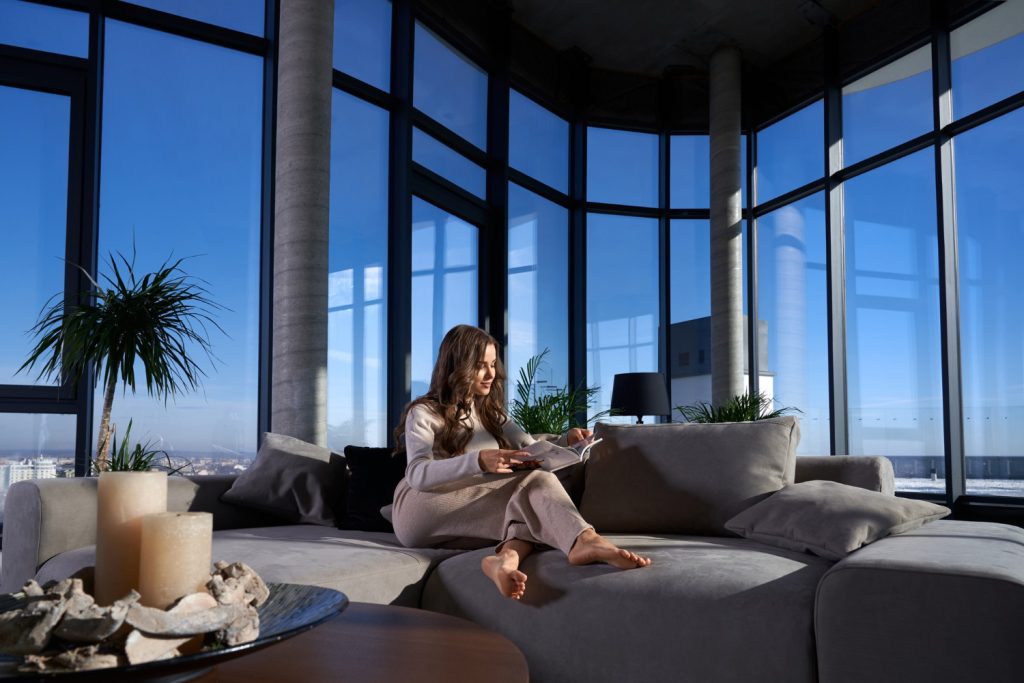
This VLT category is ideal for those who want a striking appearance without sacrificing too much visibility, often used in living rooms, home offices, or large picture windows.
Dark VLT: Prioritizing Privacy and Security (5% to 20%)
The lower end of the VLT spectrum offers optimal privacy, making it popular for homes that value discretion or have valuable possessions requiring concealment.
- Maximizes privacy, especially at night when interior lights are on, and outsiders can see less inside.
- Provides substantial reduction in heat and UV radiation, helpful in extreme climates.
- Offers an additional layer of safety by holding glass shards together in case of breakage.
However, it’s essential to check local regulations because extremely dark tints—like 5%—are often restricted, especially on front-facing windows, to maintain safety standards.
Legal Regulations and Aesthetic Preferences
Knowing your local laws regarding VLT percentages is vital before installing any tint film. Many regions impose restrictions to ensure visibility and safety, particularly for front windows and windshields. For example, some jurisdictions permit up to 70% VLT, while others may enforce lower limits.
Deciding on the right level of tint also involves considering aesthetic preferences—darker tints tend to yield a sleek, modern look that emphasizes privacy and security. Conversely, lighter options maintain an open, airy feel and are often easier to comply with legal standards.
For detailed guidance, consult professionals who can help interpret local regulations and recommend suitable VLT percentages tailored to your property’s specific characteristics.
Additional Considerations for Homeowners
Beyond legal compliance and style, several factors influence your choice of window tinting. These include:
- The climate you live in: hotter regions benefit from darker, heat-rejecting films.
- Sun exposure: homes with large, southern-facing windows may need higher SPF or UV protection levels.
- Maintenance: darker films can show scratches or dirt more readily than lighter options, affecting upkeep routines.
It’s wise to seek professional assistance to ensure proper installation, which guarantees optimal performance and longevity. For example, visiting reputable specialists can help you choose quality films that outperform standard options in IR heat rejection, as highlighted in this detailed guide on ceramic films.
Whether you’re aiming for a subtle enhancement or complete privacy, understanding the significance of VLT percentages empowers you to make informed decisions tailored to your lifestyle and environment. Always consider consulting a professional to achieve a seamless, compliant, and effective window tinting solution. For expert assistance, explore options offered by MIAMI AUTO TINTING.