Upgrading your plumbing fixtures may not seem like an exhilarating task, but this essential step can enhance your home’s functionality and aesthetic appeal. With proper guidance, even the most novice homeowner can tackle this project confidently. In this practical how-to guide, we will explore the process of upgrading your plumbing fixtures, providing helpful tips and insights.
Plumbing Fixtures: All You Need To Know
Before diving into upgrades, it’s important to understand what plumbing fixtures encompass. These components are integral to your home’s plumbing system, providing water access for various purposes. From faucets to toilets, each fixture plays a significant role. Upgrading them not only enhances functionality but can also lead to improved efficiency and potentially lower utility bills.
Common plumbing fixtures include:
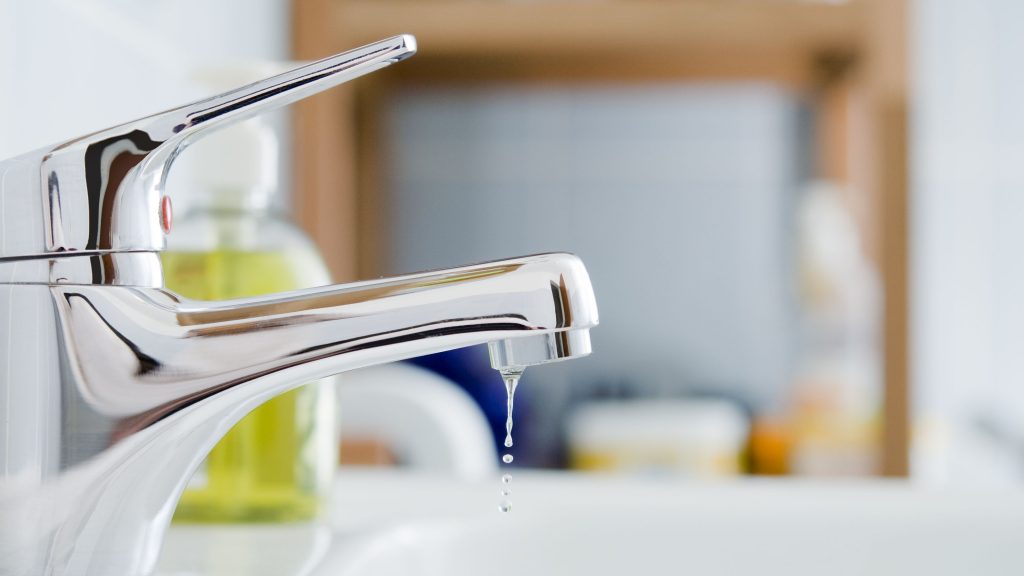
- Faucets: Essential for sinks, whether in kitchens or bathrooms, faucets are a point of functionality and style.
- Toilets: Their efficiency impacts water usage directly, making modern, low-flow options a popular upgrade.
- Showerheads: Upgrading to water-efficient models can enhance your bathing experience while conserving water.
By choosing the right fixtures, you can make your home not only more beautiful but also more sustainable.
Steps to Upgrade Plumbing Fixtures
With an understanding of your existing plumbing fixtures, let’s discuss the steps involved in upgrading them. A methodical approach can make the process straightforward.
Step 1: Assess Current Fixtures
Begin by evaluating the condition of your current plumbing fixtures. Look for signs of wear, such as leaks, corrosion, or inefficiency. This assessment will inform your decision on whether to repair or replace the fixtures. In some cases, minor repairs are sufficient to restore functionality. However, if you notice recurrent problems, it may be time for an upgrade.
Step 2: Research and Choose Fixtures
Once you’ve assessed your current fixtures, it’s time to explore available options. Research different brands and styles that align with your aesthetic preferences and performance needs. For example, opting for WaterSense labeled fixtures can ensure water savings without sacrificing performance. Consider visiting local home improvement stores or reviewing online retailers to find the best options for your home.
Step 3: Gather Necessary Tools and Materials
Upgrading plumbing fixtures requires a few basic tools and materials. Common tools include a wrench, screwdriver, and plumber’s tape. Ensure you have the necessary supplies on hand before starting the installation, which will streamline the process and save time. Consulting the instructions that come with your new fixtures can provide additional insights into specialized tools you may need.
Installing Your New Plumbing Fixtures
Installation can vary depending on the type of fixture you’re replacing. However, following general guidelines can ensure a successful upgrade.
Faucet Installation
When installing a new faucet, first turn off the water supply. Remove the old faucet by disconnecting it from the sink and water lines, ensuring you have your new faucet ready for installation. Follow the manufacturer’s instructions to secure the new faucet, connecting it to the water lines while checking for leaks before completing the process. It’s an opportunity to replace old plumbing connections, ensuring that everything is up to date.
Toilet Replacement
Replacing a toilet involves more steps than a faucet. First, you’ll need to disconnect the water supply and flush the toilet to empty the tank and bowl. Carefully remove the toilet and replace the wax seal with a new one before positioning the new toilet. Align it properly with the drain and secure it with bolts. Once in place, connect the water supply and turn on the water to test for leaks.
Showerhead Upgrade
Replacing a showerhead is generally straightforward. Simply unscrew the existing head and clean the threads on the shower arm. Apply plumber’s tape to the threads to ensure a tight seal, then screw on the new showerhead. Make sure to test it for leaks and proper functionality.
Maintenance Tips for Upgraded Fixtures
Once you’ve completed the installation of your new plumbing fixtures, regular maintenance is key to ensuring their longevity and functionality. Simple steps can save you time and money in the long run.
Regular Cleaning
Keep your fixtures clean to enhance their appearance and functionality. Use gentle cleaning agents, avoiding harsh chemicals that can damage finishes. Regularly remove mineral deposits from faucets and showerheads by soaking them in a vinegar solution to maintain water flow and appearance.
Check for Leaks and Drips
Periodically check your fixtures for any signs of leaks or drips, which can waste water and increase utility bills. Address leaks promptly to prevent further damage and maintain efficiency in your plumbing system. If you notice any issues, consider consulting a professional for assistance.
Upgrade When Necessary
Lastly, be proactive about upgrading your fixtures as needed. Keeping an eye on the performance and condition of your plumbing fixtures can alert you to potential issues before they become more serious problems. Regularly assess your home and be prepared to make upgrades as technology and styles evolve.
The Benefits of Upgrading Plumbing Fixtures
Investing in new plumbing fixtures delivers numerous benefits, particularly when they incorporate modern technologies. This investment can enhance your home and improve overall comfort.
Energy and Water Savings
Modern plumbing fixtures are designed to conserve water and energy, reducing your monthly bills. Upgrading to low-flow toilets, faucets, and showerheads can save thousands of gallons of water annually, contributing to a more sustainable household.
Aesthetic Improvement
New fixtures can greatly enhance the look of your home. Choosing contemporary styles or elegant finishes can elevate your space and reflect your personal style. Improved aesthetics not only creates a more enjoyable living environment but can add value if you decide to sell your home in the future.
Enhanced Functionality
Ultimately, upgraded fixtures often function better than older models, providing convenience and improved performance. Features such as easy-to-use lever handles, higher water pressure, and temperature regulation can significantly enhance your experience in spaces like bathrooms and kitchens.
In summary, upgrading plumbing fixtures is a valuable investment that offers both practical and aesthetic benefits. Assess your current fixtures, choose suitable replacements, carry out the installation carefully, and maintain your upgrades regularly. For professional help with your plumbing needs, do not hesitate to contact a trusted plumbing service to ensure the job is done accurately and efficiently.