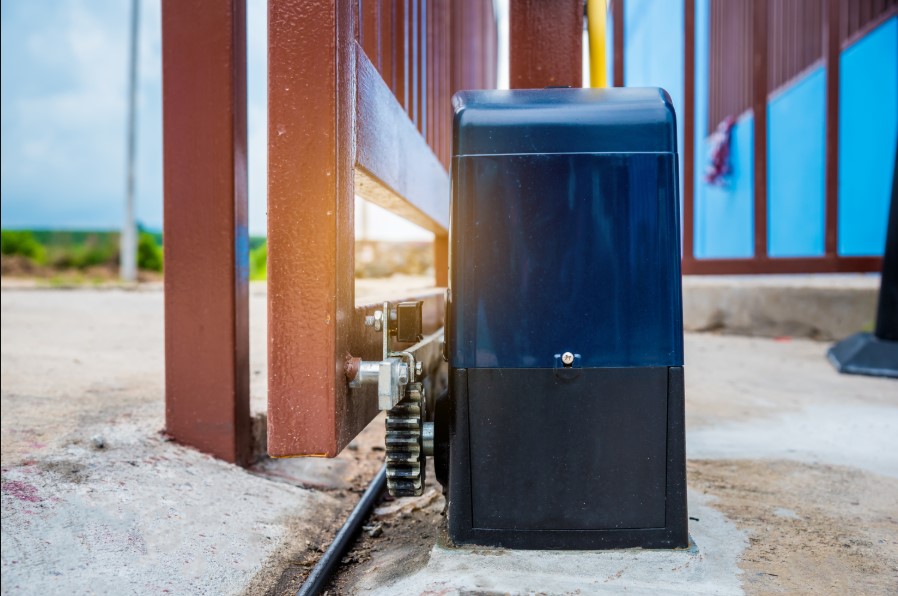
Automatic gate motor is a vital component ensuring security and convenience. Recognizing early symptoms of wear can prevent unexpected breakdowns. This guide highlights three critical signs of motor deterioration and how to effectively address them before complete failure disrupts your daily routine.
1. Slow or Erratic Gate Movement: A Clear Indicator of Motor Strain
When your gate begins to open or close more slowly than usual, or moves unevenly, it indicates underlying mechanical or electrical issues. This sluggish or jerky behavior often arises from motor fatigue or worn components obstructing smooth operation.
Slow movement might result from debris accumulation along the gate’s track, worn gears within the motor assembly, or weakened power output due to internal wear. Uneven motion can stress the motor, accelerating deterioration if left unchecked.
To fix this, start with basic maintenance: clear the tracks of dirt or obstacles and lubricate moving parts to reduce friction. If performance doesn’t improve, contacting a professional technician for a motor inspection and possible repair is essential. Early intervention can extend the motor’s service life and maintain consistent gate function.
2. Unusual Noises: Grinding, Clicking, and Buzzing as Alarm Bells
Every motor produces some sound during operation, but abrupt increases in noise levels or unfamiliar sounds like grinding and buzzing often spell trouble. These noises reflect mechanical strain or electrical faults within the motor system.
Grinding suggests worn gears or contaminated components, while clicking could indicate electrical relay issues. Buzzing noises might hint at overheating or coil problems. Such symptoms warn not only of imminent motor failure but also potential safety hazards.
Attempting to resolve these issues requires professional expertise. Technicians can dismantle and inspect motor internals, replace damaged parts, and optimize electrical connections. Routine checks minimize the risk of severe breakdowns, keeping your automatic gate safe and functional.
3. Inconsistent Response to Controls: When Your Gate Ignores Commands
If your gate’s remote control or keypad acts erratically, responding intermittently or not at all, it signals possible electronic or motor control malfunctions. This inconsistency can jeopardize property security and daily convenience.
Common causes include weakened receiver signals, depleted remote batteries, faulty wiring, or a failing motor control board. Misaligned sensors that detect obstructions may also prevent gate operation prematurely.
Start troubleshooting by replacing batteries and verifying clear signal paths. If problems persist, seek professional diagnostics to test wiring integrity, sensors, and motor controllers. Repairing or upgrading these components restores reliable automation and prevents full motor failure.
Taking Action: Repair or Replacement?
Deciding between repairing your gate motor or opting for a replacement depends on several factors. A motor beyond ten years of age or experiencing repeated breakdowns often benefits from full replacement, introducing modern efficiency and enhanced safety features.
Repairs suffice when damage is minor, and parts remain readily available. However, if your motor overheats regularly, exhibits escalating electrical issues, or replacement components are scarce, investing in a new system is the prudent choice.
Engaging professional gate specialists can help determine the most cost-effective and reliable solution. Whether upgrading with smart controls or restoring current equipment, qualified technicians ensure your gate continues to safeguard your property effectively.
The table below outlines key considerations to help you compare gate motor repair versus replacement:
| Factor | Repair | Replacement |
|---|---|---|
| Motor Age | Under 10 years | Over 10 years |
| Frequency of Breakdowns | Rare or occasional | Frequent or recurring |
| Availability of Parts | Parts readily available | Parts discontinued or obsolete |
| Technological Features | Basic functions | Advanced safety and smart controls |
| Cost-effectiveness | Lower initial cost | Higher upfront cost, long-term value |
| Risk of Complete Failure | Moderate | Reduced with new system |
| Energy Efficiency | Potentially lower | Improved performance |
Professional Help: Your Best Defense Against Gate Motor Failures
Though minor troubleshooting like clearing debris or replacing remote batteries can be done safely at home, many gate motor issues demand expert service. Handling high-voltage electrical systems and intricate mechanical parts carries substantial risk.
Expert technicians provide thorough diagnostics, precision repairs, and dependable motor replacements, safeguarding your gate and preventing costly downtime. Regular maintenance by professionals also reduces wear, keeping your automatic gate in prime working condition.
Don’t wait for a malfunction to escalate. Reach out to experienced gate repair services to secure swift, reliable solutions tailored to your system’s needs.