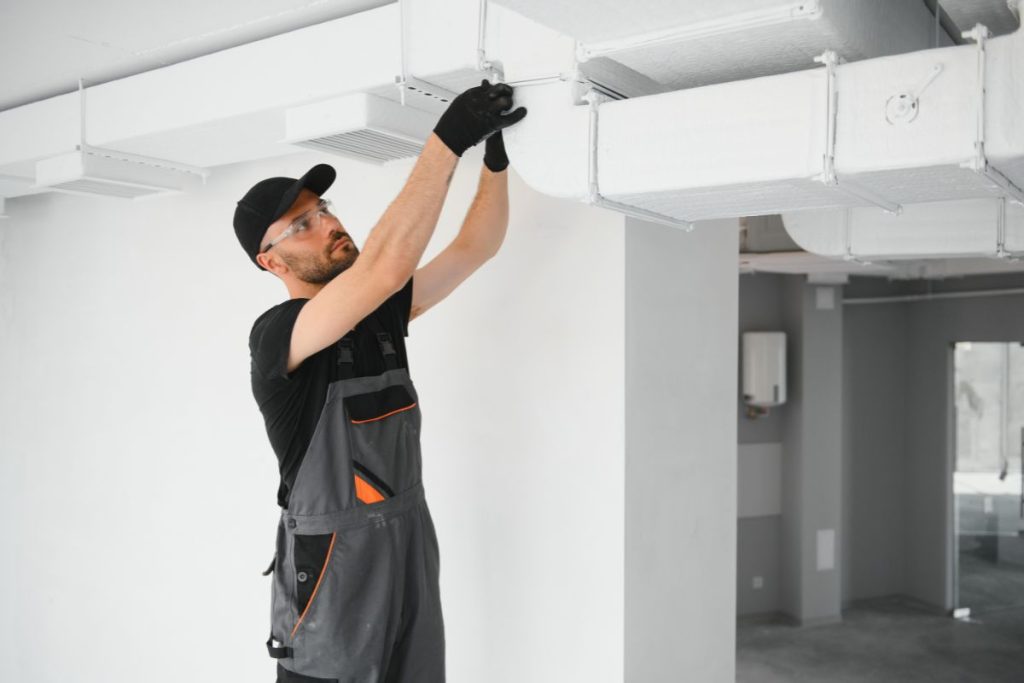
An unexpected breakdown in your HVAC system can turn comfortable living into a stressful race against time and bill shock. But with careful attention and proactive care, you can dodge the financial and emotional toll of emergency repairs. Let’s explore how smart homeowners and property managers stay one step ahead of potential failures by following five crucial steps that secure lasting comfort and efficiency.
Stay Ahead with Regular Preventive Maintenance
Keeping your HVAC system in top shape begins with consistent and thorough maintenance. Routine check-ups are your best defense against sudden malfunctions. A well-maintained system runs smoother, lasts longer, and consumes less energy, ultimately saving you money and stress.
Professional HVAC inspections twice a year catch minor issues before they snowball into expensive repairs. Cleaning coils, replacing air filters, and lubricating moving parts optimize your equipment’s performance. When the seasons change, booking a service not only prepares your furnace or air conditioner but also reduces unexpected disruptions during peak temperatures. For homeowners looking to prevent winter downtime, servicing your furnace before the cold hits is a timely essential.
Moreover, keeping a maintenance log helps track the health of your system, allowing technicians to make data-driven recommendations. This proactive approach ensures you never miss crucial service milestones, and improves your system’s overall reliability.
By investing in regular upkeep, you preserve your HVAC system’s lifespan and enhance indoor air quality, contributing to a healthier living environment for your family.
Listen to Early Warning Signs and Respond Quickly
Recognizing the subtle signals your HVAC system sends can save you from costly emergencies. Don’t ignore odd noises like rattling, screeching, or banging; these often indicate loose parts or motor issues. Unexplained temperature variations or weak airflow hint at duct leaks or clogged filters. Rising energy bills without increased usage frequently signal diminished efficiency due to internal problems.
Immediate attention to strange odors such as burning smells or mustiness is vital, as these may point to overheating components or mold growth. When your system starts short cycling, turning on and off frequently, it’s a red flag that further strain could cause failure.
Simple troubleshooting steps, like double-checking thermostat settings, clearing vents of obstructions, or replacing air filters, can quickly restore functionality. However, persistent issues merit a timely professional evaluation to pinpoint and resolve root causes before they escalate.
Staying alert to your system’s feedback enables early problem identification and preserves peak performance, preventing unexpected breakdowns during critical times.
Develop a Thoughtful Emergency Preparedness Plan
Unexpected HVAC failures are less daunting when you’re prepared. Establishing a practical emergency plan ensures swift action when your system falters. Begin by compiling contacts of reliable HVAC professionals who can deliver prompt repairs or emergency services.
Familiarize yourself with manual overrides provided by many systems, enabling you to maintain some level of comfort during outages. Keep portable fans or heaters handy as temporary solutions until the technician arrives.
Financial readiness also plays a pivotal role: setting aside an emergency repair fund or securing a home warranty tailored to HVAC coverage can mitigate the burden of sudden expenses.
Preparation reduces downtime, eases stress, and safeguards your home’s environment, especially during extreme weather conditions.
Enhance Efficiency to Reduce Wear and Tear
Improving your HVAC unit’s efficiency doesn’t just cut energy costs; it dramatically lowers the risk of premature failure. Dirty filters, blocked ducts, and neglected coils force the system to work harder, accelerating component deterioration.
Regularly replacing or cleaning filters every 1 to 3 months ensures unobstructed airflow and cleaner indoor air. Sealing and insulating ductwork curtail leaks that waste conditioned air and reduce overall effectiveness. Periodic coil cleaning promotes optimal heat exchange, stabilizing performance and preventing overheating.
Consider upgrading to programmable or smart thermostats to fine-tune temperature control and decrease unnecessary cycling, allowing your system to run only when needed.
By fostering a highly efficient setup, you relieve stress on vital parts such as compressors and blowers, helping your HVAC system remain robust through many seasons.
Maintenance Timeline for Optimal HVAC Performance
| Maintenance Task | Recommended Frequency | Key Benefit |
|---|---|---|
| Change Air Filters | Every 1 to 3 months | Improves airflow and indoor air quality |
| Professional System Inspection | Twice per year | Prevents breakdowns & maximizes efficiency |
| Coil Cleaning | Annually | Enhances heat transfer and system longevity |
| Duct Inspection & Sealing | Every 3 to 5 years | Reduces energy loss and balances temperature |
| Thermostat Calibration | Annually | Ensures accurate temperature control |
| Lubricate Moving Parts | Annually | Reduces wear and quiets operation |
Invest Wisely in Professional Support and Upgrades
Sometimes, the best way to avoid costly emergencies is to lean on expert knowledge and modern technology. Skilled HVAC technicians, like Neil Johnston Heating Inc., offer not just repairs, but long-term solutions that enhance your system’s capacity and reliability.
Upgrading outdated components or integrating energy-saving technologies can drastically improve your unit’s resilience against breakdowns. Regular professional tune-ups also fine-tune complex elements like refrigerant levels and electrical connections, which are critical for smooth operation.
A trusted contractor can tailor maintenance plans to your unique system, schedule timely interventions, and provide insights on parts replacement before failures occur. This strategic partnership empowers you to balance comfort, cost, and longevity effectively.
For comprehensive guidance on furnace maintenance before colder seasons, consult specialized resources to keep your system ready and responsive.