An aging oil tank on your property is more than just an eyesore—it can pose serious risks to your home, health, and environment. From hidden leaks contaminating soil to fire hazards and costly structural damage, ignoring an old tank can quickly escalate into bigger problems. Understanding these dangers is the first step toward protecting your family and investment. With safe removal practices, you can eliminate risks and restore peace of mind while keeping your property secure and compliant.
The Hidden Risks of Aging Oil Tanks
Most homeowners with old oil tanks aren’t aware of the potential hazards these bulky units can bring. While they might seem sturdy on the surface, aging fuel tanks can pose serious risks to both your property and the environment. Recognizing these dangers early is crucial in preventing costly damage and legal complications.
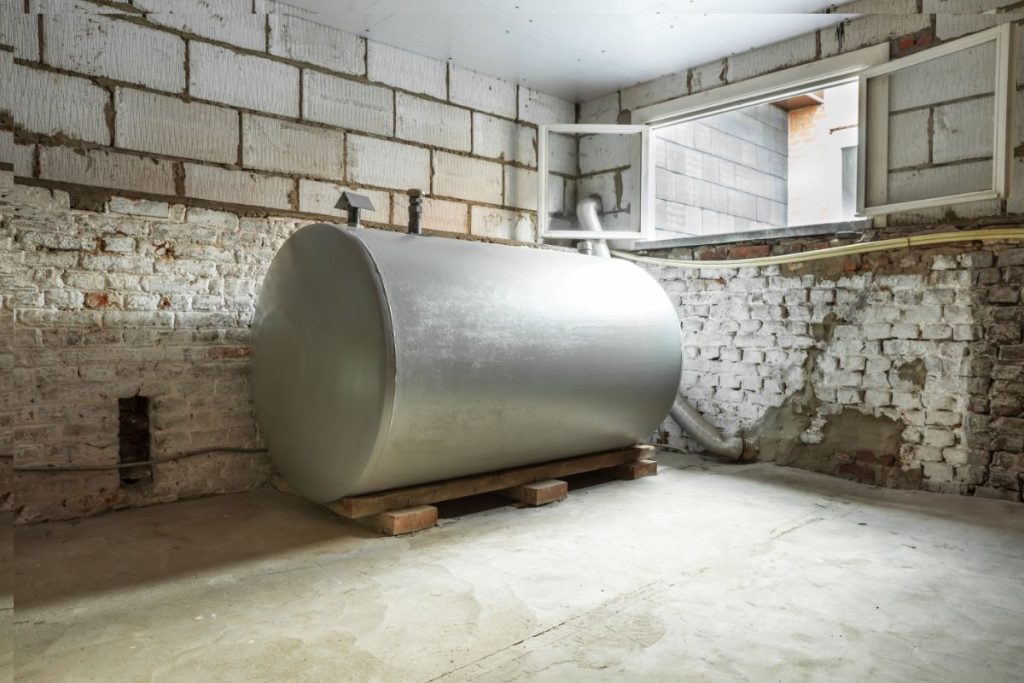
Old oil tanks are often found tucked away in basements or yards, out of sight and out of mind. However, beneath their rusted exteriors lie threats that can compromise your home’s safety and your family’s health. Before it’s too late, you need to address these concerns head-on.
From structural instability to environmental contamination, the consequences of ignoring an aging storage tank can escalate quickly. Knowing when and how to act will safeguard your home and give you peace of mind.
1. Risk of Environmental Contamination
One of the most alarming dangers posed by old oil tanks is the possibility of leaks. Over time, corrosion can create tiny holes letting hazardous heating oil seep into surrounding soil and groundwater. This type of pollution is notoriously difficult and expensive to remediate.
Leaking oil not only damages the ecosystem but may also lead to legal obligations for cleanup that can total thousands of dollars. Contaminated water sources can affect entire neighborhoods, so acting swiftly helps avoid widespread harm and hefty fines.
2. Structural Instability and Safety Concerns
Rust and corrosion don’t only threaten the environment. They weaken the tank’s physical integrity. A compromised oil tank may develop weak points, causing it to collapse or spill unexpectedly. This situation can be a fire hazard considering the highly flammable nature of heating oil.
Additionally, unstable tanks can cause water damage or toxin exposure inside your home if the tank is stored indoors. Detecting bulging, rust stains, or unstable legs on your tank are early signs that replacement is urgent.
3. Inefficiency and Rising Costs
Old tanks with sediment buildup and clogged filters reduce the efficiency of your heating system. This inefficiency often leads to wasted fuel and higher energy bills as your furnace struggles to keep your home warm. Declining performance can sometimes act as a subtle warning sign that your oil storage system is failing.
Choosing to maintain an outdated tank may cost more over time than investing in modern, high-efficiency heating alternatives that save money and reduce your carbon footprint.
How to Safely Remove an Old Oil Tank ?
Removing a fuel oil storage tank is not just about clearing space. It requires strict safety protocols because of the hazardous substances involved. Professional removal ensures the process follows environmental regulations and safeguards your property.
Taking the right steps to disengage and dispose of your old tank will help prevent contamination and support a smooth transition to cleaner heating options.
Always partner with licensed contractors who specialize in oil tank removal and disposal to avoid costly mistakes.
Step 1: Extracting and Recycling Residual Oil
Specialized technicians begin by pumping out all reusable oil using explosion-proof equipment. This recovered fuel can be filtered and reused, minimizing waste and providing value back to the property owner. Some companies may offer compensation for the oil removed.
Step 2: Cleaning Out Sludge and Debris
Over the years, sludge consisting of rust, water, and bacteria accumulates at the tank’s bottom. After oil extraction, workers open the tank and carefully scrape out this residue. The sludge is then secured in sealed containers for recycling or proper disposal in industrial applications.
Step 3: Safe Tank Removal and Disposal
The final steps involve disconnecting pipes attached to your foundation, then cutting the tank into manageable pieces or removing it whole. Due to contamination, the tank must be transported to certified hazardous waste sites, ensuring it is treated and eventually recycled responsibly as scrap metal.
Costs and Regulations Surrounding Oil Tank Removal
Pricing for oil tank removal varies widely depending on whether the tank is above or below ground and the extent of contamination. It’s important to understand these factors to prepare for effective budgeting and compliance with laws.
Ignoring state requirements can lead to severe legal consequences, so homeowners should research regulations specific to their region and hire contractors with proper certifications and insurance.
The following table outlines typical removal costs and considerations for different tank types:
| Tank Type | Average Removal Cost | Notes |
|---|---|---|
| Aboveground Storage Tank | $2,500 – $5,000 | Less contamination risk; visible leaks |
| Underground Storage Tank | $10,000 – $130,000+ | Higher risk; professional excavation required |
| Oil Sludge Cleaning | Included with removal | Essential for environmental safety |
| Tank Disposal Fees | Varies by site | Hazardous waste sites only |
Confirm that your chosen removal service carries pollution liability insurance and that local authorities issue required permits. In many areas, fire departments or environmental agencies provide recommendations for trusted professionals.
The Cleaner and Smarter Heating Alternative to Oil Tanks
For many, removing an old oil tank signals a fresh start towards greener, more cost-effective heating solutions. Modern technologies like geothermal energy harness renewable resources, dramatically reducing both your utility bills and carbon footprint.
Installing a geothermal system can cut your home’s heating and cooling expenses by more than half while eliminating risks associated with oil storage tanks. These systems offer sustainable comfort year-round in one neat package.
Many providers offer zero-down financing options to make this transition easier for homeowners seeking long-term energy independence and environmental responsibility.
In sum, the dangers of aging oil tanks, from environmental contamination and safety risks to inefficiency, are real and must not be overlooked. Safe removal by qualified professionals protects your property and the planet, while switching to green alternatives like geothermal heating delivers lasting savings and peace of mind.
Don’t wait until an old oil tank becomes a costly problem. Reach out today for a professional inspection and consultation on safe intervention.