Balcony gardening has emerged as an innovative solution for city dwellers craving fresh produce despite limited outdoor spaces. As urban living becomes denser in 2026, more people are transforming their balconies into green sanctuaries where vegetables flourish in containers. This beginner’s guide dives into the essentials of creating a thriving balcony vegetable garden, tackling challenges such as space constraints, sunlight availability, and plant care techniques. Whether you have a cozy apartment balcony or a rooftop terrace, mastering the art of small space gardening allows you to grow vegetables organically and sustainably, while enriching your living area with greenery.
Key Factors to Consider Before Starting Balcony Vegetable Gardening
Starting your vegetable gardening journey on a balcony involves understanding the limitations and possibilities inherent to urban environments. First and foremost, check your building’s rules concerning balcony use—some apartment complexes limit the types of plants allowed due to weight or pest concerns. Beyond regulations, balcony weight limits are a crucial consideration. Traditional heavy pots like ceramic may exceed safe thresholds, so opting for lightweight containers such as resin, plastic, or fabric grow bags with specially formulated soil mixes is advisable.
Water access can make or break your garden’s success. Carrying water across multiple floors is impractical, thus self-watering pots or drip irrigation systems offer efficient solutions that maintain consistent moisture levels. To avoid friction with neighbors, placing trays or saucers under pots is essential to catch overflow, preserving good relations and preventing damage.
Assessing Sunlight and Microclimates for Optimal Plant Growth
Sunlight is the cornerstone of plant care. Identify the orientation of your balcony: south-facing balconies often receive 6-8 hours or more of direct sun, ideal for sun-loving vegetables like tomatoes, peppers, and beans. Conversely, north-facing or shaded balconies excel for shade-tolerant crops such as leafy greens—lettuce, spinach, and chard—and certain herbs like mint or parsley. Monitoring actual light exposure over several days helps avoid overestimating sunlight, a common beginner mistake.
Wind exposure also influences plant health. Upper floors tend to be windier, leading to soil drying and plant stress. Incorporating lattice screens or trellises provides a dual function of wind protection and support for climbing plants, enhancing both the garden’s utility and aesthetic appeal.
Choosing the Right Vegetables for Container Gardening on a Balcony
Not all vegetables adapt equally to container gardening, particularly in the confined space of a balcony. Selecting suitable varieties is essential for success. Compact or dwarf plants and those with shallow root systems tend to perform best. Here’s a comparison of popular choice vegetables based on space, sunlight needs, and care requirements:
| Vegetable | Sunlight Requirement | Container Size | Special Care Notes |
|---|---|---|---|
| Cherry Tomatoes | Full sun (6-8 hours) | 18-24 inch deep pots | Needs staking or cages; regular watering |
| Lettuce | Partial shade (4-6 hours) | Shallow window boxes or pots | Prefers cool temperatures; frequent harvest |
| Bell Peppers | Full sun | 12-18 inch pots | Warmth-loving; consistent moisture |
| Spinach | Partial shade | Shallow containers | Best grown in cool weather; watch for bolting |
| Radishes | Full sun to partial shade | 6-inch deep containers | Fast-growing, easy for beginners |
This selection helps beginners manage their garden with confidence, focusing on plants likely to succeed in urban balcony settings. For more tailored recommendations, check out expert advice on balcony vegetable gardening that dives deeper into ideal plant choices.
Practical Tips on Container and Soil Selection for Balcony Gardening
The foundation of a fruitful container garden lies in the choice of containers and soil media. Prioritize containers with drainage holes and light materials to accommodate your balcony’s load capacity. Fabric grow bags facilitate air pruning of roots, fostering healthy growth. Avoid regular garden soil; instead, use sterile, nutrient-rich potting mixes enriched with perlite or vermiculite to improve aeration and drainage.
Strategically grouping plants with similar watering and sun requirements streamlines maintenance. Self-watering containers or automated drip systems drastically reduce the watering effort while maintaining optimal moisture balance. These technologies are game-changers, especially for busy urban gardeners.
Maximizing Space and Aesthetic Appeal in Small Space Gardening
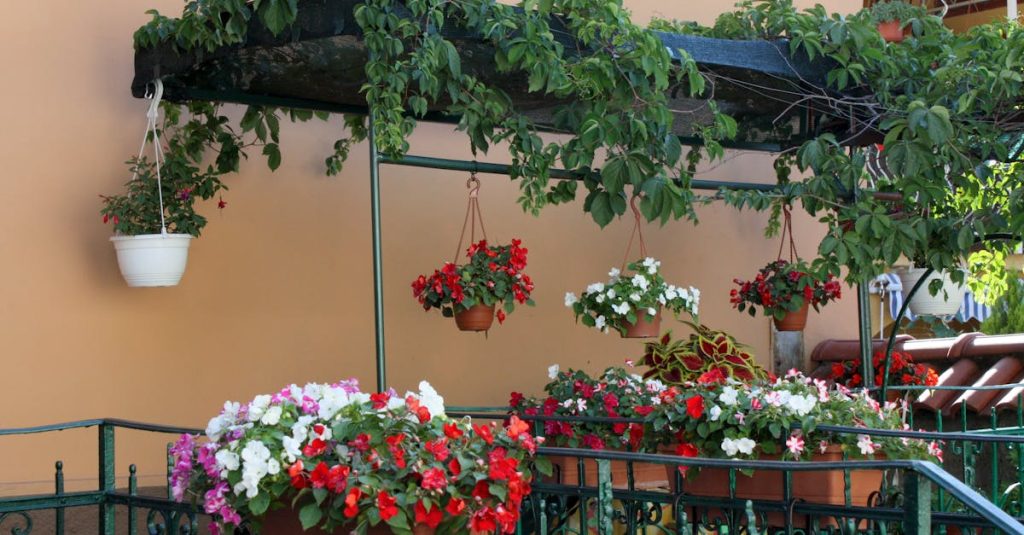
Space constraints necessitate creative solutions. Vertical gardening offers efficient use of limited square footage. Trellises, hanging baskets, and tiered planters can turn a small balcony into a vertical jungle of edibles. Along with functional benefits, layering plants adds visual interest and a tranquil ambiance to your urban retreat.
Integrate edible and ornamental plants for both harvest and beauty. Flowers that attract pollinators such as marigolds or nasturtiums boost vegetable productivity while lending bursts of color. Additionally, tasteful integration of furniture and lighting transforms your balcony into a multi-functional oasis.
- Use trellises to elevate climbing vegetables.
- Hang pots on railings and walls to optimize floor space.
- Incorporate companion planting to deter pests naturally.
- Add comfortable seating to enjoy your garden.
- Introduce solar-powered lights for nighttime ambiance.
Maintenance Strategies for a Flourishing Balcony Vegetable Garden
Regular monitoring and care are vital. Container plants dry faster, so daily watering during warmer months is often necessary unless self-watering systems are installed. Pinching back leggy growth and harvesting ripe vegetables promptly maximizes yield. Fertilizing with organic solutions supports healthy development without harmful chemical buildup.
By staying attentive and organized, balcony gardeners overcome the challenges posed by an urban environment. With the practical tips offered here and more on managing container gardening found at Unified Garden’s beginner’s guide, anyone can cultivate a lush, productive balcony garden.