In today’s world, where indoor air quality greatly impacts our health and well-being, understanding ventilation maintenance is becoming increasingly essential. Have you ever wondered how often you should inspect your ventilation system? Or what simple steps you can take to ensure optimal air quality in your home? This beginner’s guide will walk you through the vital aspects of maintaining your ventilation system, allowing you to improve airflow and keep your indoor environment healthy.
Understanding the Importance of Ventilation Maintenance
Ventilation not only regulates the temperature but also maintains air quality by bringing in fresh air and expelling stale air. Neglecting to maintain this crucial system can lead to higher energy bills and poor air quality, which can trigger allergies and respiratory issues. In fact, studies suggest that a well-maintained ventilation system improves energy efficiency by up to 30%.
Key Components of Your Ventilation System
Understanding the basic elements of your ventilation system can help you perform effective maintenance. Here are the key components to focus on:
- Air Ducts: These carry air from your ventilation system throughout your home.
- Filters: These trap dust, pollen, and other particles, ensuring cleaner air.
- Fans: These help in circulating air, making the system efficient.
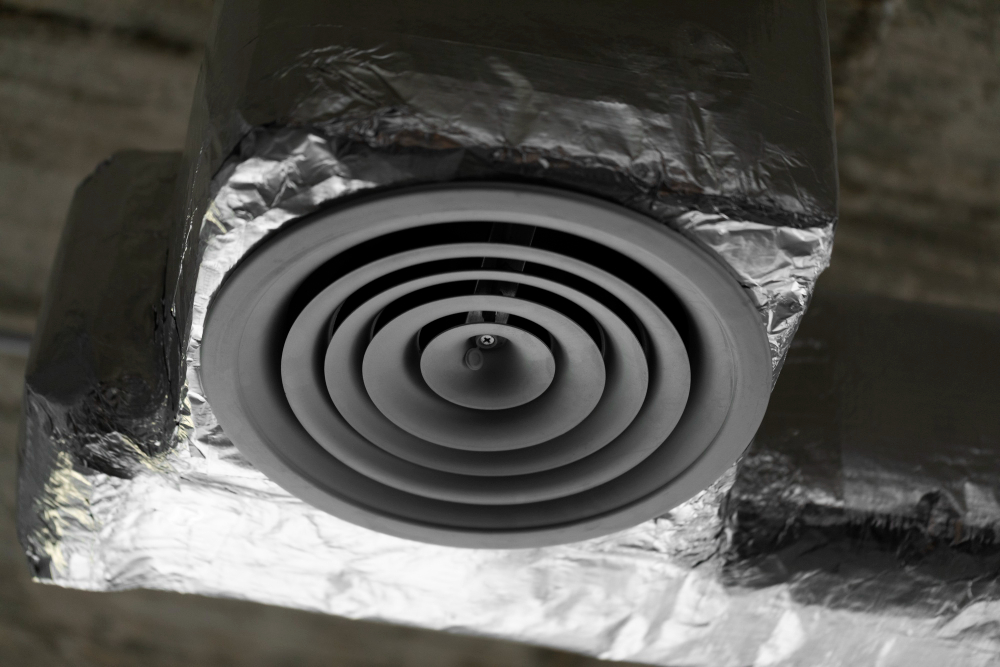
- Vents: These release the air into your rooms and draw stale air back into the system.
Step-by-Step Ventilation Maintenance Guide for Beginners
Now that we understand the importance of ventilation and its vital components, let’s delve into the step-by-step guide to maintain your system effectively.
| Step | Description | Frequency |
|---|---|---|
| 1. Replace Air Filters | Change your air filters to improve airflow and air quality. | Every 1-3 months |
| 2. Clean Air Ducts | Removing dust and debris enhances airflow and efficiency. | Every 2-3 years |
| 3. Inspect Fans | Check if the fans are working efficiently and lubricate if necessary. | Twice a year |
| 4. Check Vents | Ensure vents are not blocked or obstructed for optimal airflow. | Monthly |
| 5. Schedule Professional Inspection | Have a technician check your system for any hidden issues. | Annually |
Signs Your Ventilation System Needs Attention
Identifying issues early can save you from costly repairs later on. Here are some signs that your ventilation system may require maintenance:
- Unusual Noises: Humming or rattling noises may indicate a problem.
- Increased Energy Bills: Higher costs could suggest inefficiency.
- Odors: Bad smells might indicate mold or dust buildup.
- Uneven Temperatures: Inconsistent temperatures throughout your home signal airflow issues.
DIY Cleaning Tips for Beginners
Before calling a professional, there are several cleaning tasks you can tackle yourself:
- Switch off the power to your HVAC system.
- Remove and replace air filters as needed.
- Use a vacuum cleaner to gently clean air ducts.
- Wipe down fans and vents to remove any dust or debris.
Doing these activities regularly can significantly enhance the lifespan and efficiency of your equipment.
Professional Help: When to Call an Expert
While basic maintenance can be conducted by homeowners, certain tasks are best left to professionals. For comprehensive inspections or repairs, consult experts to ensure that your ventilation is functioning optimally. Regular professional help keeps your system in peak condition, ensuring that you stay comfortable year-round.
How often should I change my air filters?
It’s recommended to change your air filters every 1-3 months, depending on usage and filter type. Regular replacement ensures optimal airflow and air quality.
What are the signs of a clogged ventilation system?
Signs include unusual noises, increased energy bills, odors, and uneven temperatures throughout your home. If you notice these, it’s time for an inspection.
Can I clean my air ducts myself?
While you can clean some external parts, professional cleaning is advisable for thorough deep cleaning to remove hidden dust and allergens.
Why is ventilation maintenance important?
Proper maintenance of your ventilation system improves indoor air quality, increases energy efficiency, and extends the lifespan of your HVAC equipment.
When should I schedule a professional inspection?
It’s best to schedule an inspection once a year, ideally before the heating or cooling seasons, to ensure everything operates efficiently.
For more information on maintaining your home systems, check out this detailed guide on soffits and ventilation or learn how to keep your roof in top condition with this homeowner’s guide to roof maintenance.