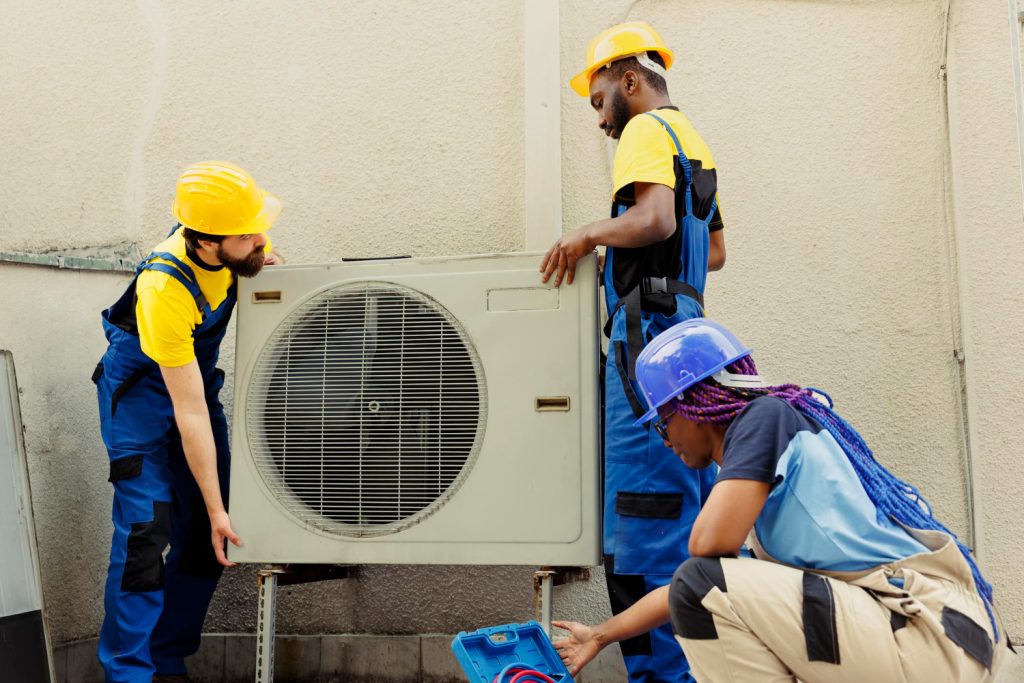
As utility bills continue to rise, homeowners are increasingly looking for solutions that not only ease the burden on their wallets but also contribute to a sustainable future. Enter heat pumps—the versatile technology hailed as a game-changer in home heating and cooling. These systems offer a unique approach by extracting heat from the environment, making them highly energy-efficient. But do heat pumps really have the potential to cut energy costs in half? Let’s delve deeper into how these systems operate, their benefits, and what makes them a smart investment.
Understanding How Heat Pumps Work
At their core, heat pumps operate on a simple principle known as thermodynamics. Unlike traditional heating systems that generate heat by burning fuel, heat pumps transfer heat from one location to another. This means they can use just one unit for both heating and cooling needs, significantly reducing energy consumption.
The Science Behind Heat Transfer
The functionality of heat pumps is often likened to that of a refrigerator but in reverse. In winter, they absorb heat from the cold outdoor air and pump it inside. In summer, the process is reversed to cool the home by transferring heat back outside. This ability to operate efficiently in both heating and cooling environments is central to their attractiveness.
Benefits of Installing Heat Pumps
Opting for heat pumps can yield numerous cost savings and environmental benefits. Here’s a breakdown of the key advantages:
- Energy Efficiency: Heat pumps can use 3 to 5 times less energy than traditional systems.
- Dual Functionality: One unit can handle both heating and cooling, saving on installation costs and space.
- Lower Emissions: When powered by renewable energy, heat pumps can nearly eliminate home emissions.
- Financial Incentives: Tax credits and rebates can cover 30% or more of installation costs.
Cost Efficiency Over Time
While the installation of a whole-house heat pump may seem daunting with costs ranging between $7,000 and $12,000, the long-term savings often justify the initial investment. Many homeowners report savings of $600 to $1,000 annually on utility bills after switching to heat pumps, which could mean a payback period of around eight years.
Comparing Heat Pumps with Traditional Systems
| Characteristic | Heat Pumps | Traditional Systems |
|---|---|---|
| Energy Source | Electricity (renewable options) | Gas/oil |
| Energy Efficiency | 3-5x | 1x |
| Emissions | Near-zero with renewable power | High |
| Installation Costs | $7,000 – $12,000 | $5,000 – $10,000 |
Optimal Conditions and Considerations
Heat pumps are particularly effective in regions with mild climates; however, advancements in technology have led to models that work efficiently even in colder settings. New designs utilize smarter controls and variable-speed compressors, ensuring that homes remain warm even at temperatures as low as -13°F.
Expert Recommendations for Homeowners
Before making the switch, homeowners should consider the following:
- Evaluate existing ductwork for efficiency.
- Consult a professional for proper system sizing.
- Look for potential state and federal incentives available for the installation of heat pumps.
The Environmental Impact of Heat Pumps
By shifting to heat pumps, homeowners play a crucial role in combatting climate change. With conventional heating methods producing substantial carbon dioxide and other pollutants, transitioning to heat pumps not only lowers greenhouse gas emissions but also enhances indoor air quality. As heat pumps produce no on-site combustion gases, they contribute to a healthier home environment.
Investing in heat pumps may represent a shift towards a more sustainable technology, providing both financial and environmental benefits. Their dual functionality and efficiency underscore their potential as a fundamental component in modern HVAC systems. To learn more about specific models or to discover financing options for home electrification, consider exploring relevant resources and services.
Do heat pumps work in winter?
Yes, modern cold-climate heat pumps are designed to function efficiently even in low temperatures, maintaining output even at sub-zero conditions.
How do heat pumps compare to gas systems?
Heat pumps are generally more energy-efficient than gas systems, leading to lower operating costs and emissions.
Are there incentives for installing heat pumps?
Yes, there are often federal and state incentives available that can cover a percentage of installation costs.
What maintenance do heat pumps require?
Heat pumps require regular filter changes, outdoor coil cleaning, and periodic professional checks to maintain efficiency.
How long do heat pumps last?
Quality heat pumps typically last between 15 to 20 years with proper maintenance and care.