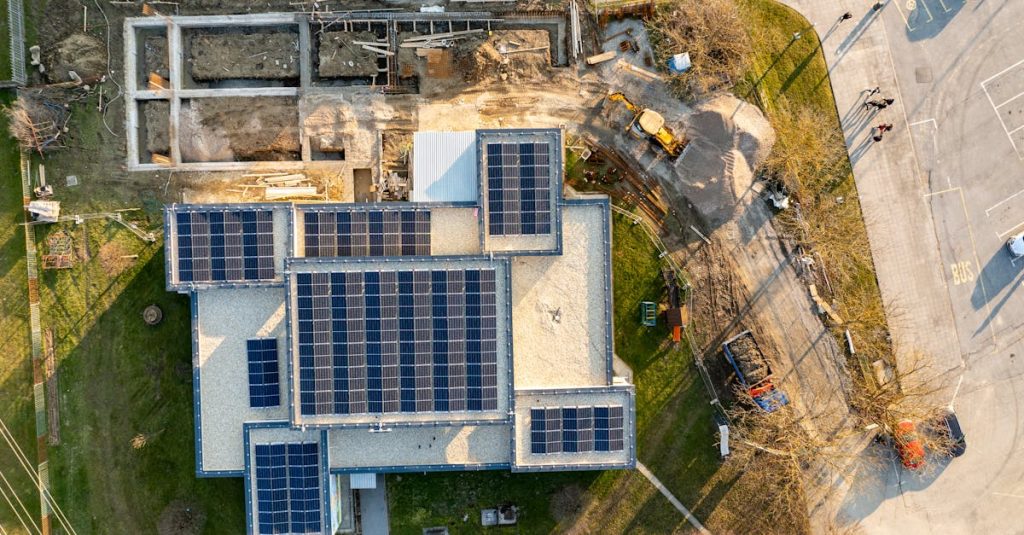
In an era where ecological responsibility is paramount, the construction industry is undergoing a remarkable transformation. Sustainable construction is not merely a trend; it is swiftly becoming a necessity for preserving our planet for future generations. One of the most effective strategies involves integrating recycled materials into building projects. From reclaimed wood to recycled steel, these resources not only minimize waste but also contribute to unique architectural aesthetics. This guide delves into the various recycled materials, their benefits, innovative uses, and the challenges they present, thereby illuminating the promising future of sustainable construction.
The Rise of Sustainability in Construction
As awareness around climate change and resource depletion grows, the construction industry is facing increasing pressure to adopt sustainable practices. The shift towards using recycled materials is more than just a reaction to environmental concerns; it’s a strategic approach to reduce waste and improve energy efficiency across the entire lifecycle of a structure. By merely rethinking the materials used in construction, architects, contractors, and developers can significantly impact the ecological footprint of their projects.
Waste reduction is one of the primary benefits of incorporating recycled materials into building practices. According to the Environmental Protection Agency, construction and demolition activities are responsible for approximately 25–30% of the total waste produced in the United States. By repurposing existing materials, the industry can divert substantial amounts from landfills and mitigate the negative environmental impact associated with manufacturing new materials.
Moreover, the conservation of natural resources is a critical aspect of recycling. By sourcing materials that have already served a purpose, the construction industry significantly reduces the demand for virgin resources like timber, minerals, and water. This shift not only helps preserve biodiversity and natural habitats but also reduces the energy required for extraction and processing.
Financial savings form another cornerstone of adopting recycled materials. Traditionally, constructing with virgin materials can be a costly endeavor due to the expenses associated with production and transportation. Recycled materials, however, often represent a more affordable alternative. For instance, recycled steel generally costs less than newly manufactured steel, providing a dual advantage of reduced environmental impact and lower construction costs.
Types of Recycled Materials in Construction
The versatility of recycled materials is astounding, offering a variety of options to builders looking to engage in sustainable construction practices. Below are some prevalent materials that have found new life in building projects:
- Recycled Concrete and Asphalt: These materials are obtained from demolished buildings, roads, and sidewalks. They can be crushed and reused in various applications, such as road base, aggregate for new concrete mixes, and even as raw material for new pathways.
- Reclaimed Wood: Sourced from old structures, reclaimed wood offers character and durability while reducing the need for new timber. Common uses include flooring, wall paneling, and furniture.
- Recycled Steel: With a recycling rate exceeding 90%, recycled steel is invaluable in construction due to its inherent strength and versatility in structural applications.
- Recycled Glass: This material can be transformed into a variety of products, from countertops to concrete aggregates, providing aesthetic and functional benefits.
- Plastic Composites: Constructed from recycled plastic waste, these composites find applications in decking, insulation, and even roofing tiles.
- Recycled Gypsum: Typically used in drywall, recycled gypsum can help in creating new panels while contributing to a circular economy.
| Material Type | Applications | Environmental Benefits |
|---|---|---|
| Recycled Concrete | Road base, new concrete aggregates | Reduces landfill waste, minimizes raw material extraction |
| Reclaimed Wood | Flooring, cabinetry | Preserves forests, improves building character |
| Recycled Steel | Structural supports, roofing | Reduces carbon footprint, maintains durability |
| Recycled Glass | Tiles, countertops | Less energy-intensive to produce, enhances aesthetic appeal |
| Plastic Composites | Decking, insulation | Reduces plastic waste in landfills, versatile |
| Recycled Gypsum | Drywall, soil amendments | Supports circular economy, lessens need for new minerals |
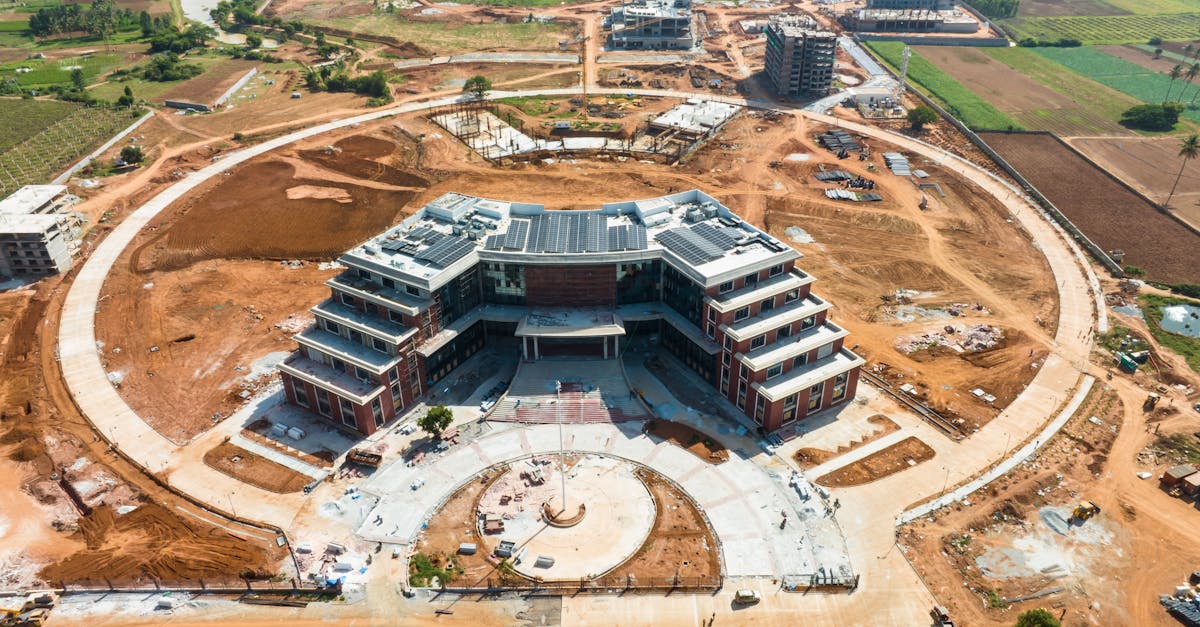
Innovative Uses of Recycled Materials in Modern Construction
As the demand for eco-friendly building continues to rise, innovative approaches to utilizing recycled materials are gaining traction. These revolutionary methods not only enhance the sustainability profile of future projects but also invite creativity:
Green Concrete
Green concrete incorporates materials like fly ash or reclaimed slag in place of traditional cement. This reduces both carbon emissions during production and enhances the structural performance of concrete.
- Benefits: Lower greenhouse gas emissions, improved durability, and reduced water use.
Eco-Bricks
These are made from recycled plastics and waste materials, serving as lightweight and durable building blocks. Eco-bricks can be effectively used not just for walls but also for landscaping features.
- Benefits: Combats plastic waste, offers energy efficiency, and is versatile in design.
Recycled Content Insulation
Insulation materials from recycled sources, such as cellulose derived from newspapers, provide safe and effective thermal insulation, contributing to lower energy consumption in buildings.
- Benefits: Sustainable, energy-efficient, and enhances indoor air quality.
Recycled Rubber Flooring
This flooring option, made from used tires, is ideal for commercial spaces and playgrounds due to its durability and slip-resistant qualities.
- Benefits: High durability, shock absorption, and an eco-friendly alternative.
Challenges and Considerations in Using Recycled Materials
Despite the enormous benefits, integrating recycled materials into building projects is not without its challenges. Quality assurance is critical; not all recycled materials meet the performance standards required for specific applications. This variance necessitates rigorous testing and certification processes to ensure safety and efficacy.
Additionally, the availability of recycled materials can fluctuate based on local supply chains, complicating planning efforts for builders and developers. Costs related to processing and transporting recycled materials can sometimes offset the economic advantages they present.
Compliance with local regulations poses another important consideration. Builders must be knowledgeable about specific standards that apply to recycled materials to ensure that their projects align with current building codes.